

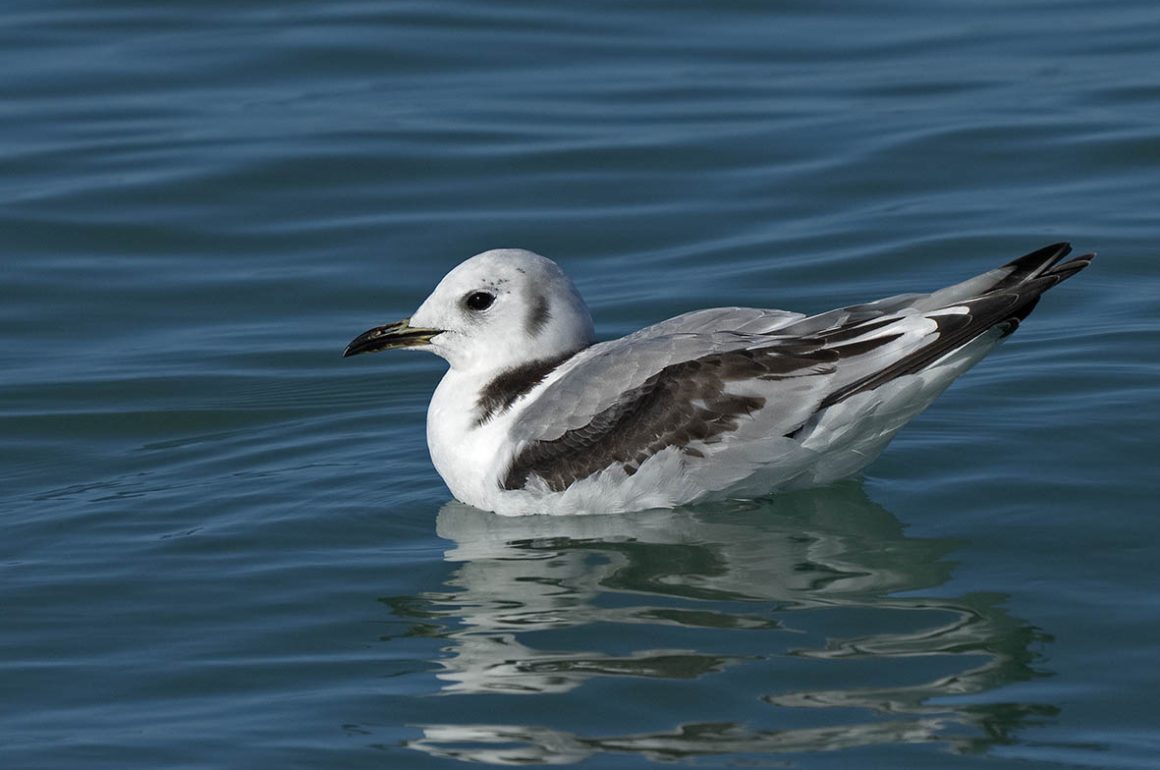
The first quarter of our year is characterized by a succession of low-pressure systems that reach us from the Atlantic. Some years they don’t reach us at all, leading to drought conditions, but other years we may go in the other direction. This is one such year. When gales hit the coast, they tend to push seabirds inshore, sometimes well into the Mediterranean. In other cases, as with shearwaters, these birds naturally chase these gales, picking up on the lee of the low-pressures where the winds have churned up the sea, bringing nutrients to the surface. These are good places to hunt for plankton concentrations.
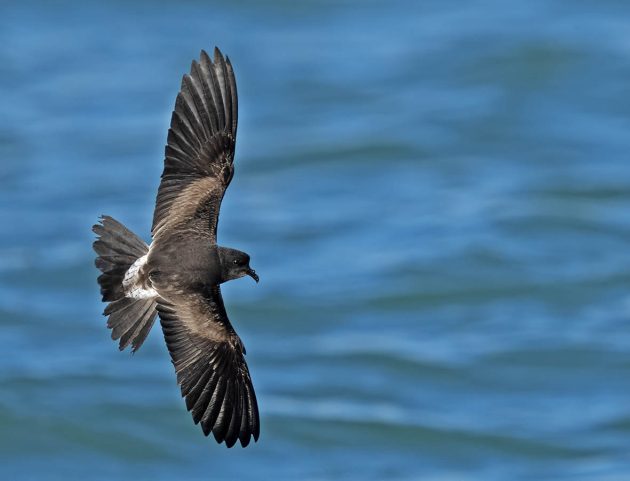
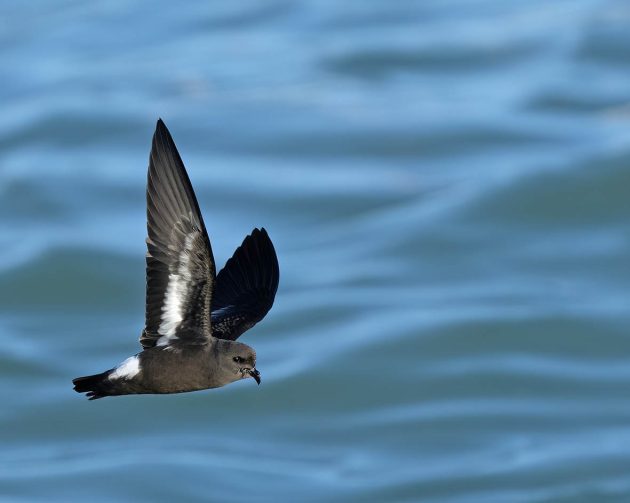
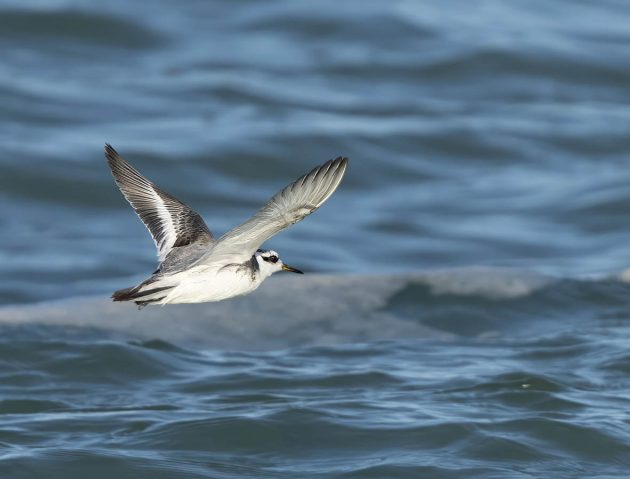
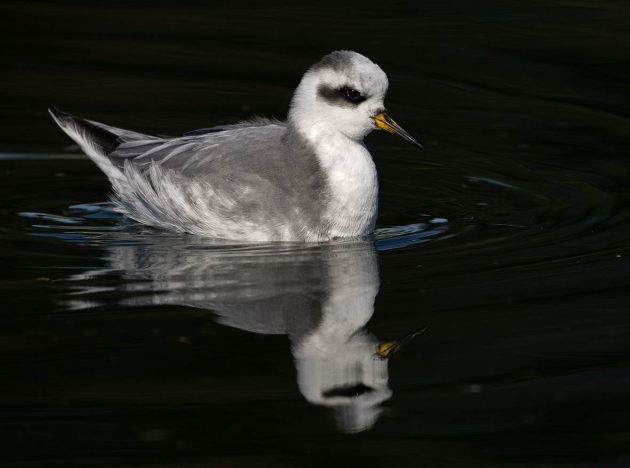
Storm petrels are particularly sensitive to gales and are sometimes driven well inland. At this time of year, we have a good chance of picking up Leach’s Storm Petrels (Hydrobates leucorhous) which spend the winter out on the open ocean. European Storm-Petrels (Hydrobates pelagicus) are also out in mid-Atlantic and they will also be driven onshore. More enigmatic, to me at least, is the arrival inshore of Red Phalaropes (Phalaropus fulicarius). Puzzling because the closest wintering grounds, out on the open ocean too, is off the coast of Morocco. Given, some may be pushed up towards us by south-westerlies but I just wonder if small numbers actually winter further north, off the Iberian coasts. These would be the ones driven inshore.
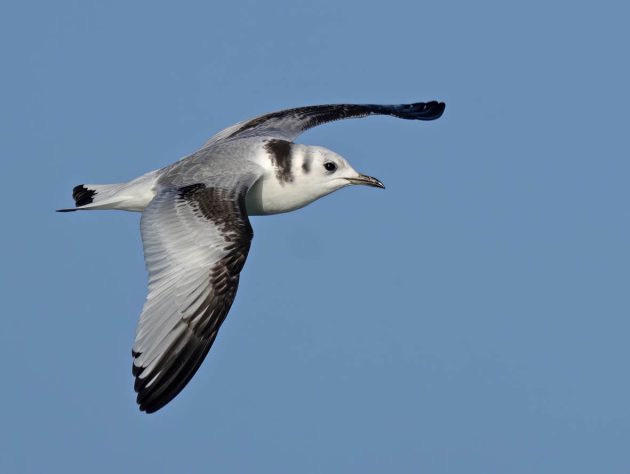
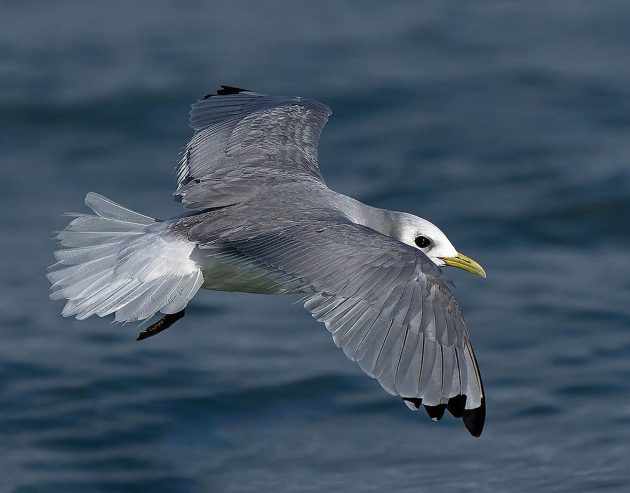
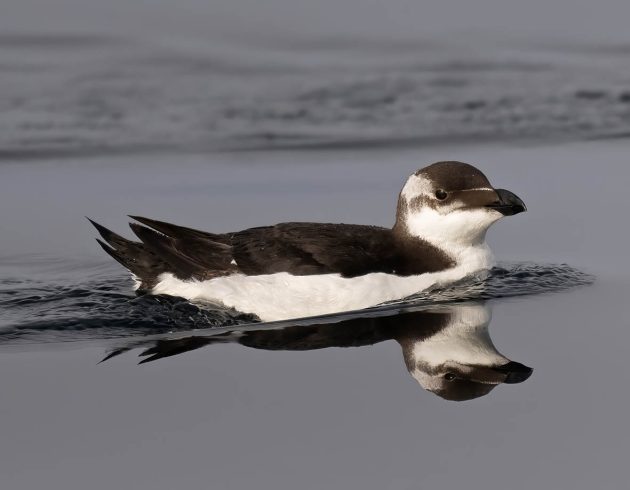
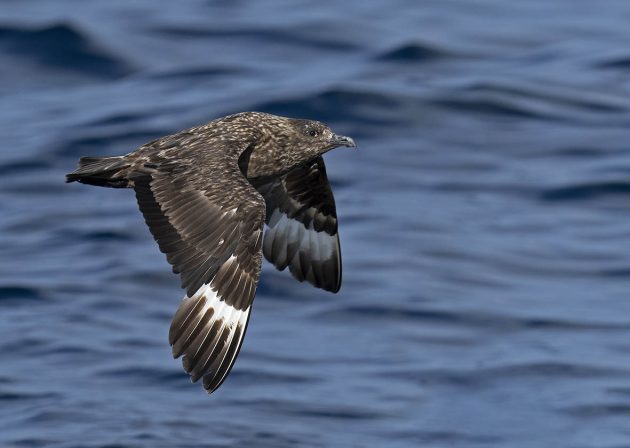
More usual wintering species that come inshore include Kittiwakes (Rissa tridactyla) and Razorbills (Alca torda). In recent years Great Skuas (Stercorarius skua) have been largely missing as the population plummeted due to avian influenza. So it is nice to begin to see some coming back this winter, small in comparison to other winters but hopefully the start of a recovery.
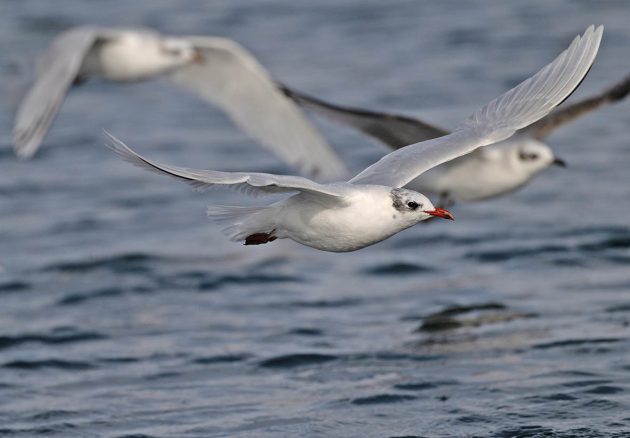
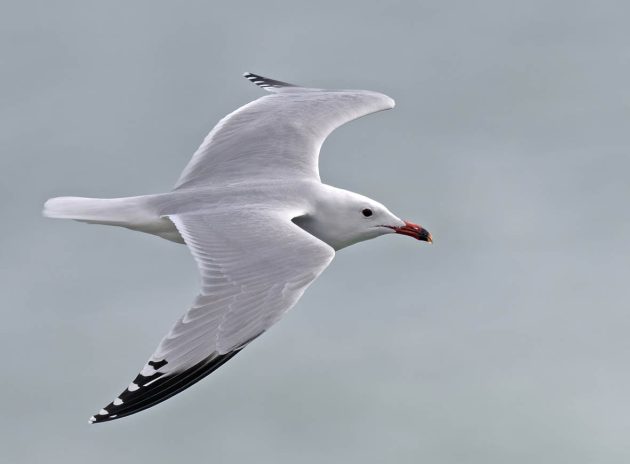
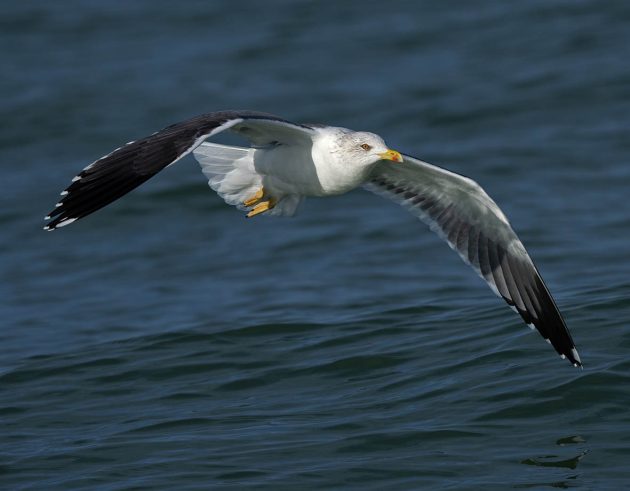
Gulls react to the conditions by coming close to the coast and into the Mediterranean. Mediterranean Gulls (Ichthyaetus melanocephalus) have even outnumbered Black-headed Gulls (Chroicocephalus ridibundus) this past week! Alongside them have been good numbers of Audouin’s Gulls (Ichthyaetus audouinii), adults in pristine plumage condition returning from wintering grounds off the West African coast. Lesser black-backed Gulls (Larus fuscus), wintering in the thousands along the Atlantic coasts, have also been venturing into the Mediterranean. Sometimes Little Gulls (Hydrocoloeus minutus) come in, often alongside phalaropes.
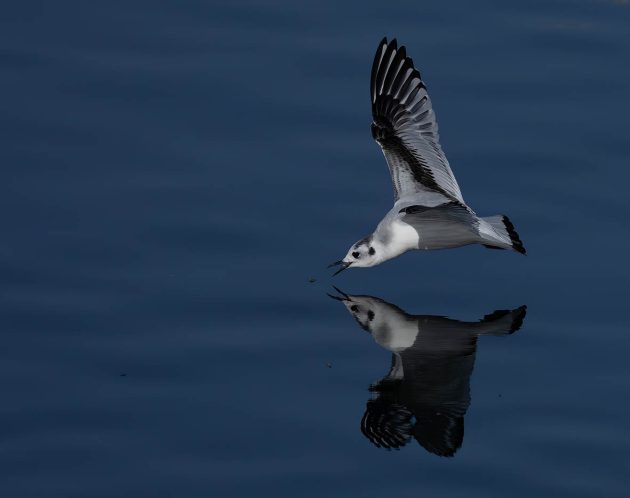
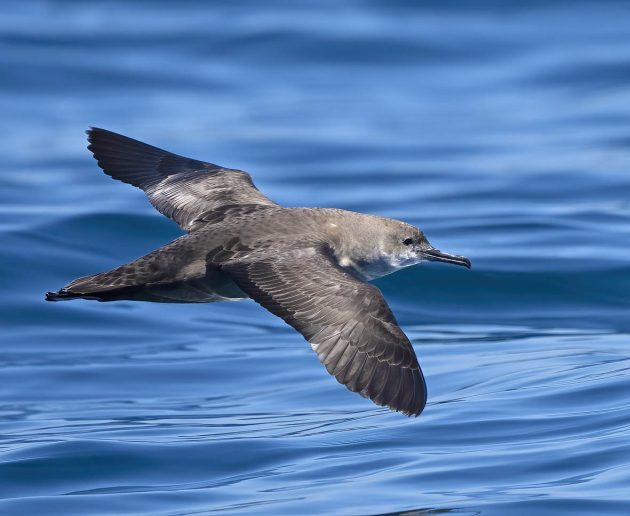
Among the most spectacular have been the Balearic Shearwaters (Puffinus mauretanicus). These birds are now in the breeding grounds and have been gathering in large numbers in the Strait of Gibraltar. Only yesterday, I saw a group of well over 1,000 individuals on an offshore feeding frenzy alongside large numbers of Northern Gannets (Morus bassanus). The taxonomy of this shearwater is uncertain. Some now consider them conspecific with Yelkouan Shearwaters (Puffinus yelkouan), with which they hybridise on Menorca. So, whether full species or subspecies, the birds I’m seeing offshore are those from the Balearic Islands population.
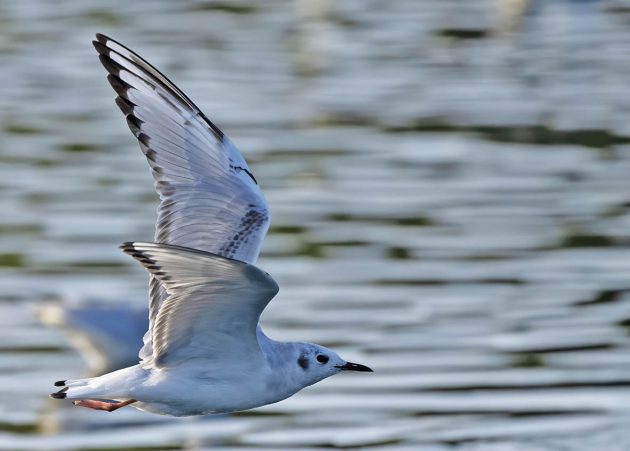
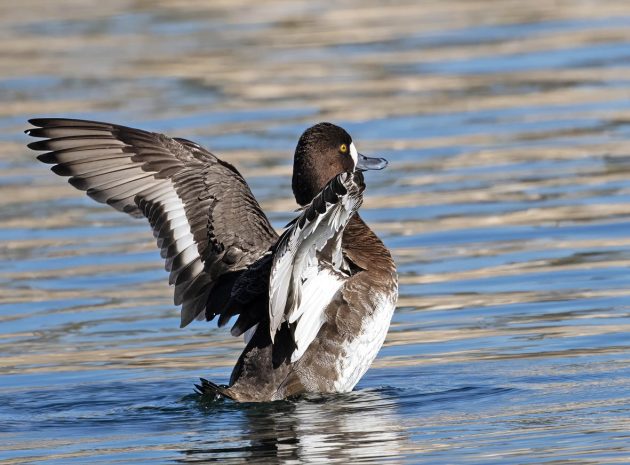
There is always a good chance of North American birds being pushed across the Atlantic and this is not unusual. Among the ones which I have seen in recent years are Bonaparte’s Gull (Chroicocephalus philadelphia) and Lesser Scaup (Aythya affinis).
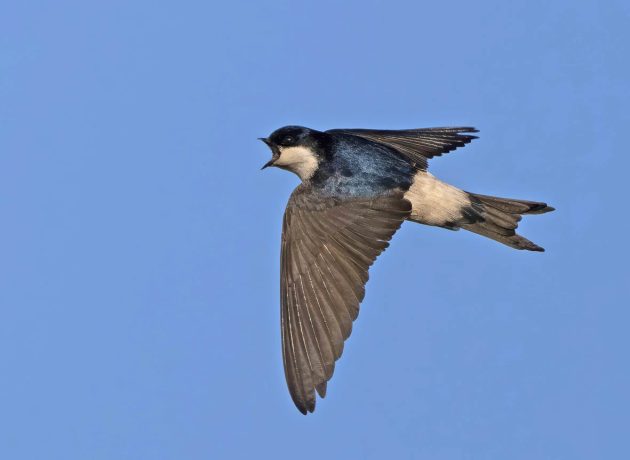
With all this turmoil we might be forgiven for thinking that spring migration north is on hold. Not so. While watching the shearwater feeding frenzy, groups of House Martins (Delichon urbicum) kept arriving from the Moroccan coast, rapidly moving northwards past me.








Fascinating stuff, and great photographs, too. It will be another 10 weeks before the first House Martins start to appear here in England.