

Hans Brinkers prevented major flooding in The Netherlands by plugging a hole in the dike with his finger. He received praise and a statue. His younger brother tried the same with a different appendage and was arrested. Some Americans might be surprised to learn all this. Did Hans have a brother? Is it really possible to arrest sex offenders?
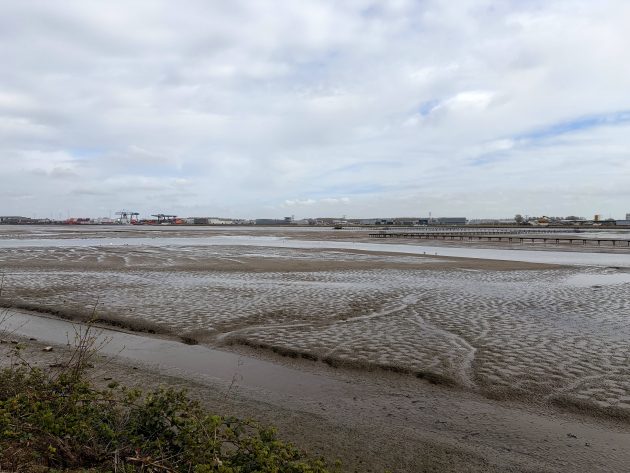
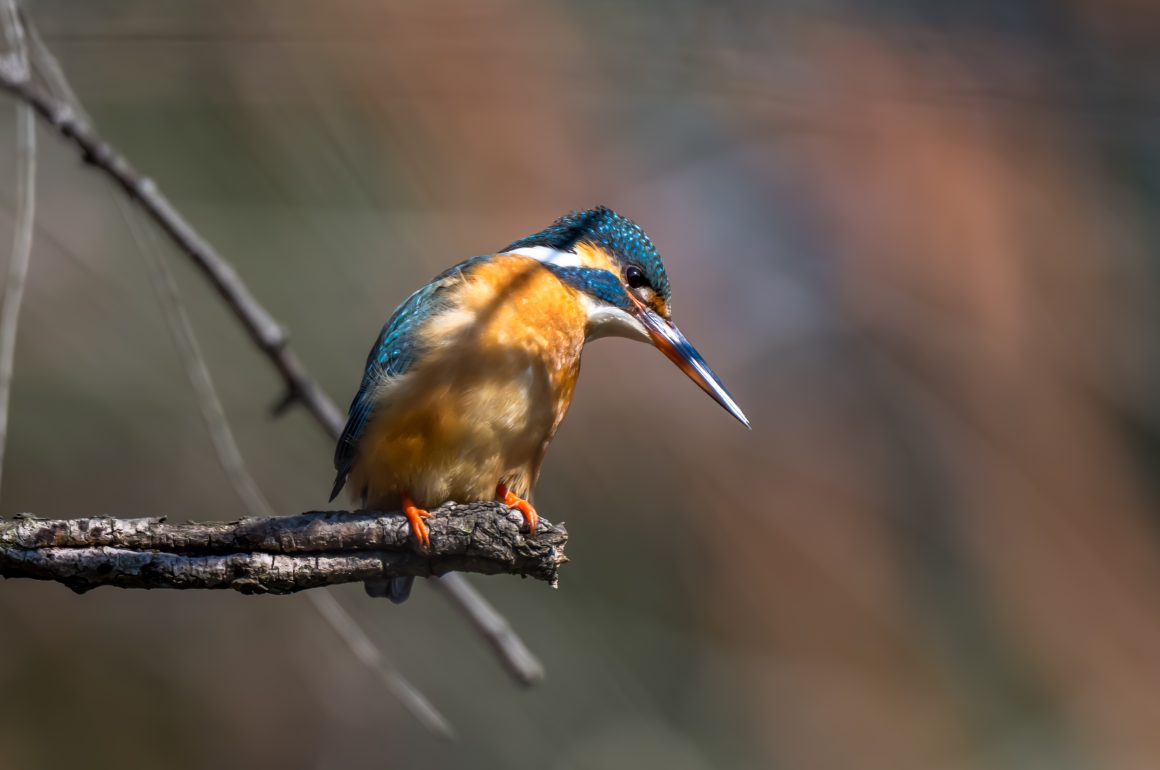
These were my mischievous thoughts as the little ferry approached the Natuureiland Sophiapolder, an island in the river Noord. When I was a child this island was a polder, but a visionary planner decided that this 77 hectare polder should be returned to nature. By punching two big holes in the surrounding dike the tides have been allowed to move in and out twice a day, controlling surplus water and creating a muddy bird paradise. As the juvenile delinquents we were back in the day, sailing to the island was done with rafts of dubious quality. Now, very friendly volunteers of Zuid-Hollands Landschap transport you on a comfortable ferry. For free. For me they threw a Common Kingfisher into the bargain (see header).
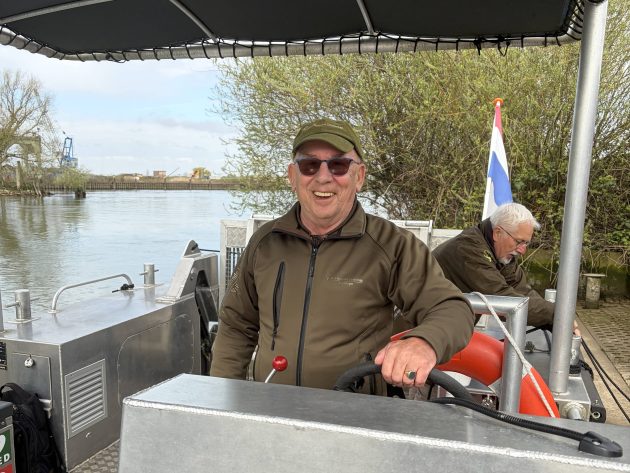
The ferry leaves from Veersedijk 301 in Hendrik-Ido-Ambacht which can be reached from Rotterdam by waterbus (followed by a 15-minute bike ride). The island is accessible from March until the end of October on Wednesdays, Saturdays and Sundays. Wednesday is the least busy day. The first boat leaves at 12:00 hrs and the last one back is at 17:00 hrs. You can sleep in for this visit! There’s coffee (and toilets) in the visitor centre.
For those unfortunate souls who will have their non-birding family with them, it is good to know that the boat to Kinderdijk leaves from the same waterbus quay in Rotterdam near the Erasmus bridge. Historical windmills for them, waders for you.
This is a tidal area – the mudflats are only exposed at low tide so watch those tide tables. A wooden boardwalk leads through the reserve to a hide in the middle. When I visited at the end of March I arrived at the low tide. It was cold and rainy so the mud remained moist during my entire visit. However, on a sunny day I can imagine the mud hardening too much for the birds to probe for their food. Aim for the outgoing tide, set yourself up in the hide and wait for the birds to arrive as the mud becomes exposed.
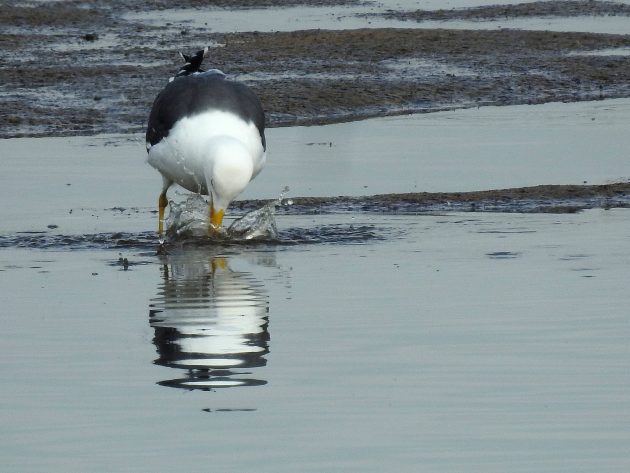
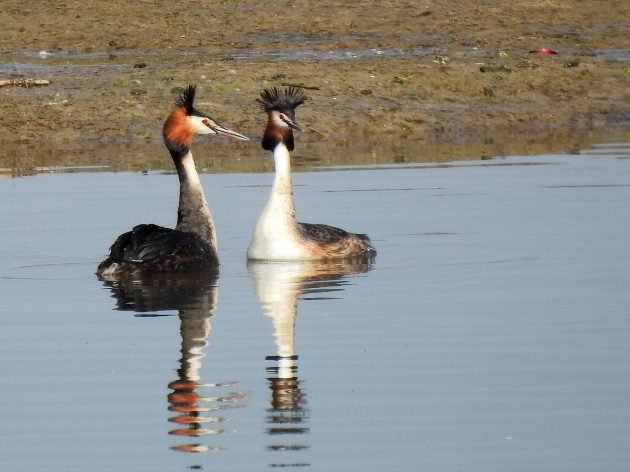
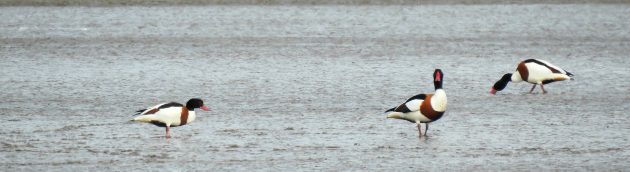
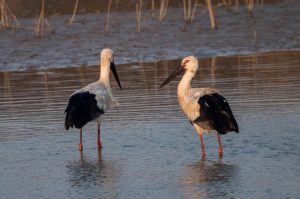
Pied Avocet, Common Shelduck and Eurasian Oystercatchers were the most abundant species during my visit. There was a single leucistic Oystercatcher that I adored but his conspecifics despised – the first record of avian racism. Just when people are getting rid of prejudice… You read it here first.
Kai Pflug helped me tremendously by providing the header picture of the Common Kingfisher.







Sounds like a magical place. I have plans to be in Amsterdam this summer. Perhaps there is someplace equivalent in that neck of the woods?
You had me at “free water ferry” and “pied avocets.” ?
First, look at the country profile for The Netherlands for details on renting bikes, etc. Check out the Vondelpark https://ebird.org/hotspot/L930436 if you don’t want to leave the city. Further afield https://ebird.org/hotspot/L11437410, but likely still easy to reach by public transport. Rent a bike to visit https://ebird.org/hotspot/L6332145 (and drop in on the island of Marken for some real tourist fun).