
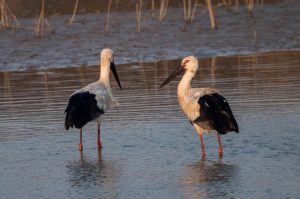
I live in Gibraltar, at latitude 36 degrees North. Many don’t realise this but we are actually further south than some parts of North Africa. Take a look at any map and you’ll see that parts of Algeria and Tunisia lie further north than Gibraltar. Climatically and ecologically, Gibraltar has much closer affinities with the North African coast than with much of the Iberian Peninsula, except for the south. I’ve written before about the arrival of trans-Saharan migrants much earlier here than the rest of Europe. Despite the rainy weather currently hitting us, and snows on the high ground, I have already had plenty of Swallows (Hirundo rustica), House Martins (Delichon urbicum), Great Spotted Cuckoos (Clamator glandarius) and White Storks (Ciconia ciconia) in the lowlands.
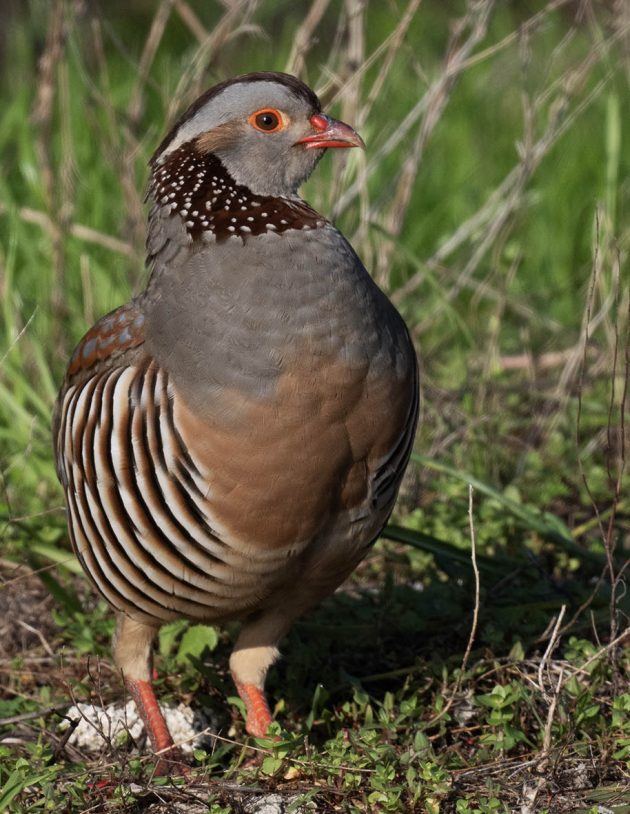
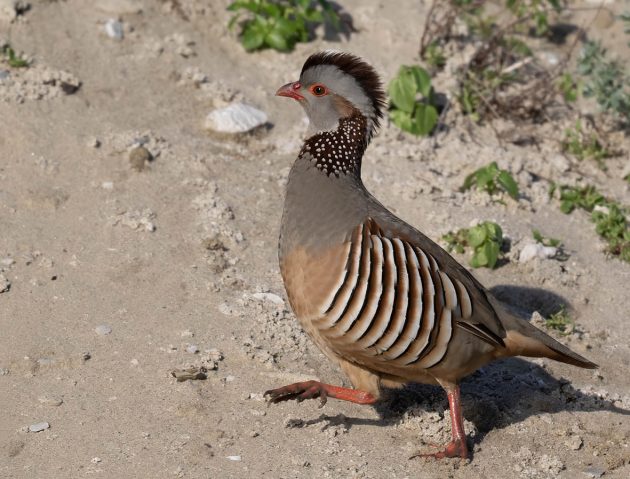
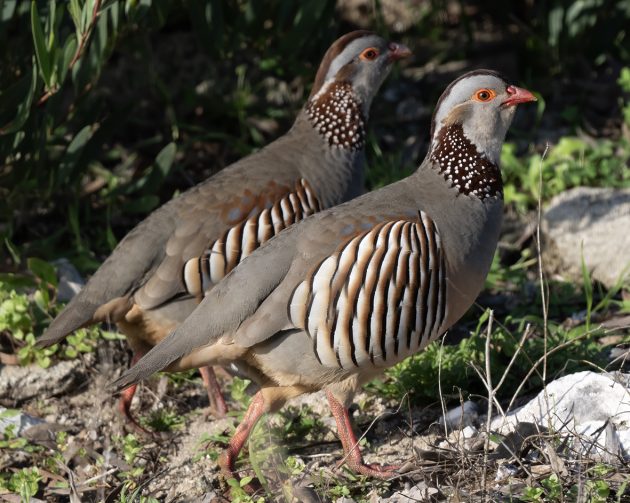
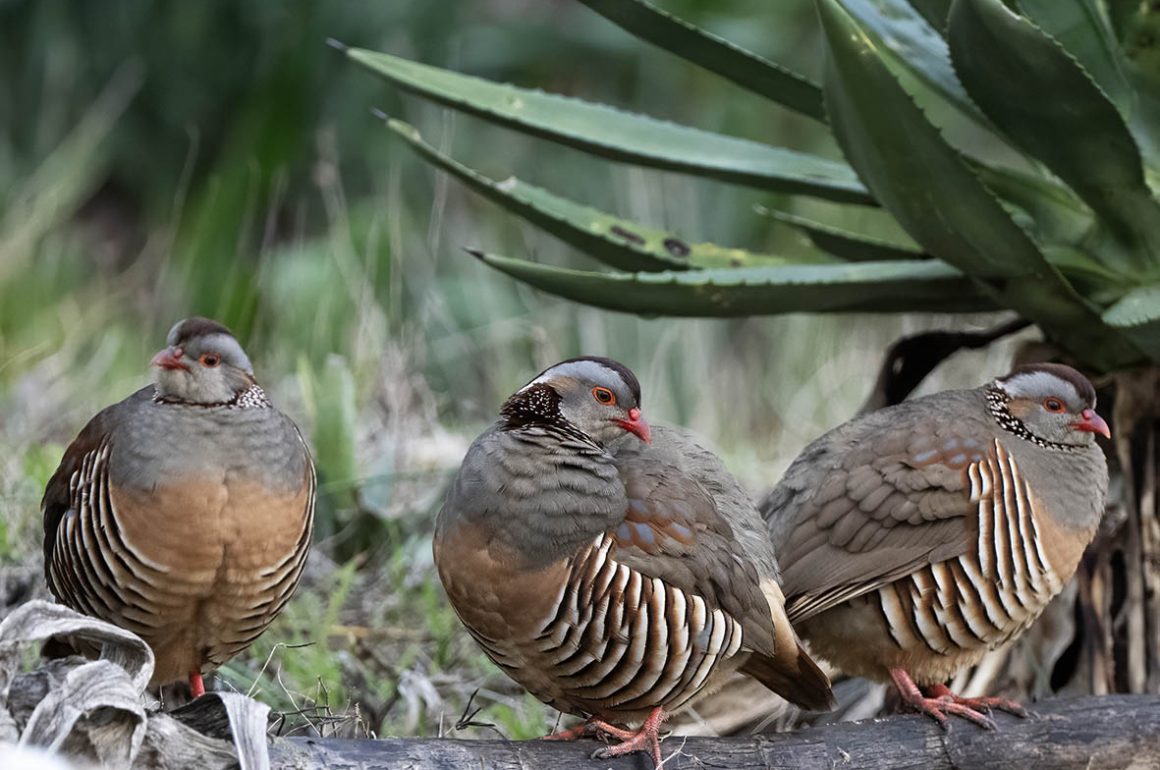
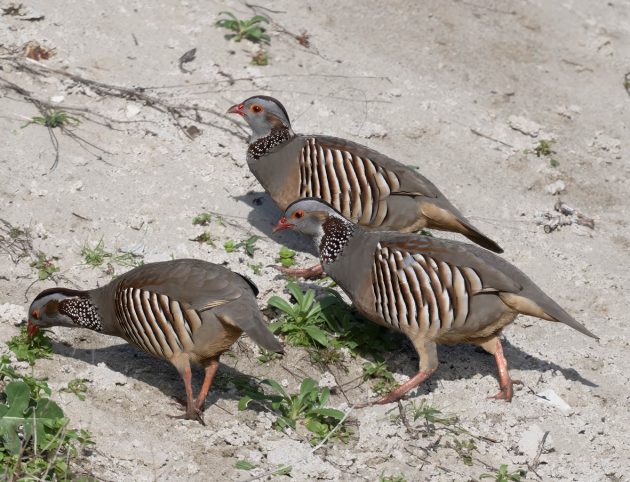
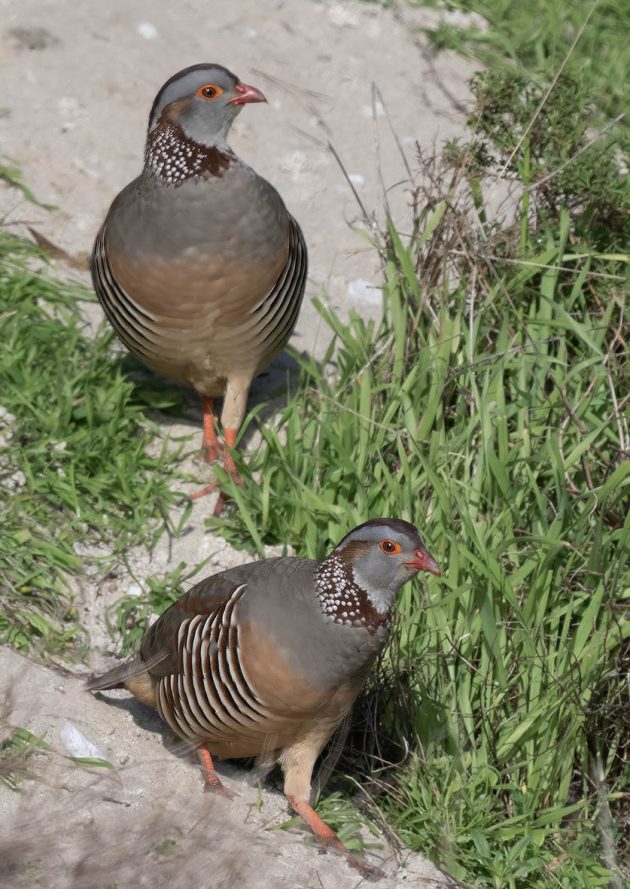
Spending some time on the warm slopes of the Rock these past days has afforded me great opportunities to observe other African birds. Barbary Partridges (Alectoris barbara) were introduced on the Rock, along with the famous monkeys, by the British during the 18th Century. The climatic and ecological conditions of Gibraltar, so close to those in Morocco, meant that the species thrived in the wild state.
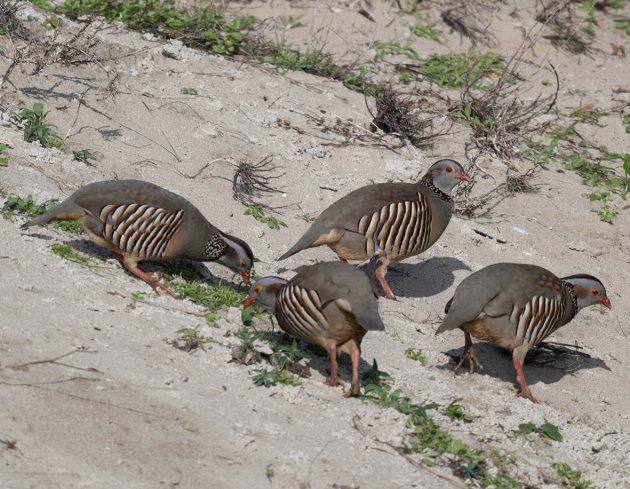
This is the time of year when partridges start to pair up, even within larger coveys that may exceed twenty birds. They are in beautiful plumage and starting breeding behaviour. I’ll keep an eye on them this spring and keep readers updated of their progress. This is, after all, the only locality in mainland Europe where you can see this species in a wild state.
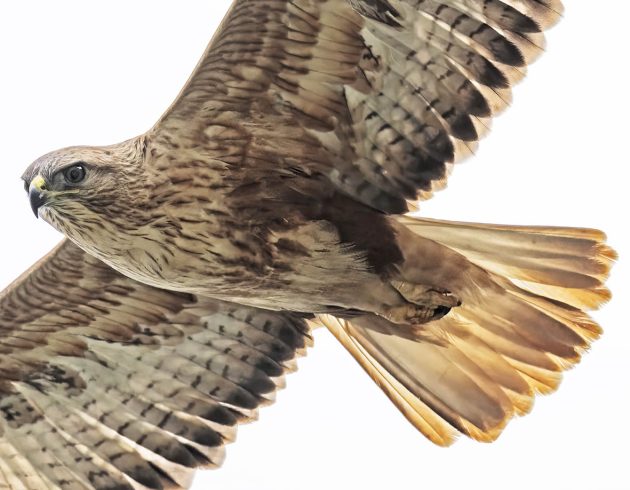
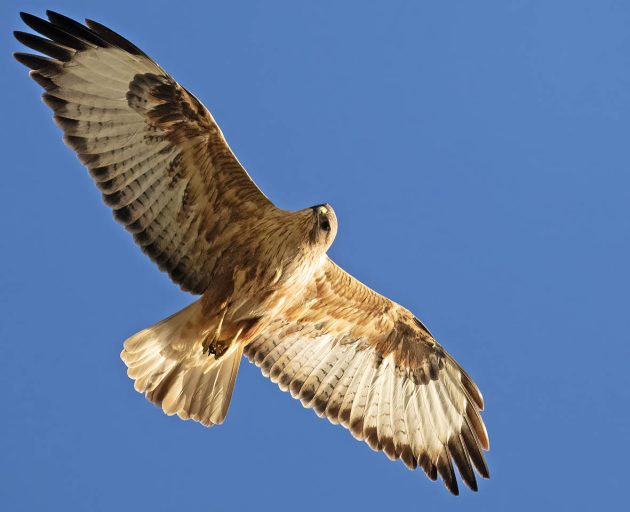
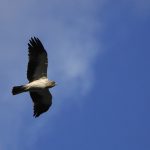
There are other African visitors around at the moment, adding to the very special feeling you get here. Often flying over the partridges, and undoubtedly keeping an eye on taking one if the opportunity presents itself, is an Atlas Long-legged Buzzard (Buteo rufinus cirtensis). This is a lovely raptor which seems to have decided to spend the winter with us. Others have done so in previous winters, perhaps the same bird, so conditions are apt to be home for this North African raptor.
If this wasn’t enough, we also have had a Pied Crow (Corvus albus) with us all winter. This is a sub-Saharan species and circumstances of its arrival are uncertain. We immediately go to the default option and say it must have been ship assisted. Maybe, but we regularly get African birds here so who knows how it got here. What is does show is that climatic and ecological conditions are such here that we have yet another African species surviving with us all winter.
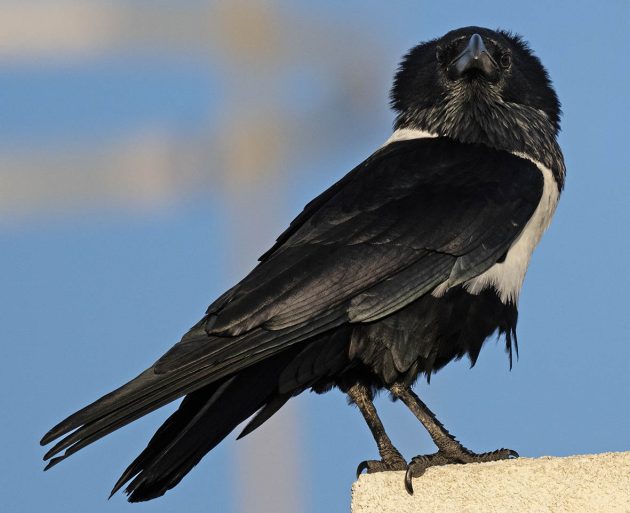




The partridges are gorgeous! The much maligned Pied Crow was a surprise. They are actually beautiful and undeserving of their nickname “craptor”….