

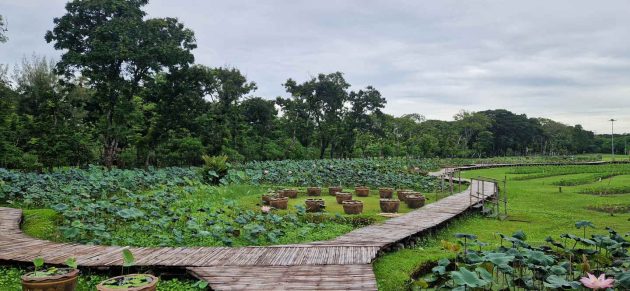
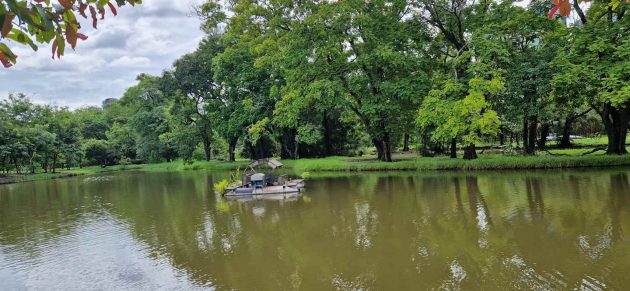
Rot Fai Park is a park in central Bangkok. Apparently, it used to be a golf course – fortunately, it no longer is. Maybe somebody in Thailand realized that a prime location in the middle of the city center should not be accessible to only a few rich people wearing ridiculous clothes and sharing a hobby with an incompetent and immoral president (yes, that is the fake socialist ex-student speaking).
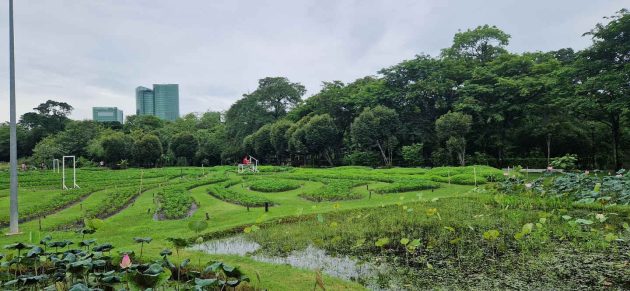
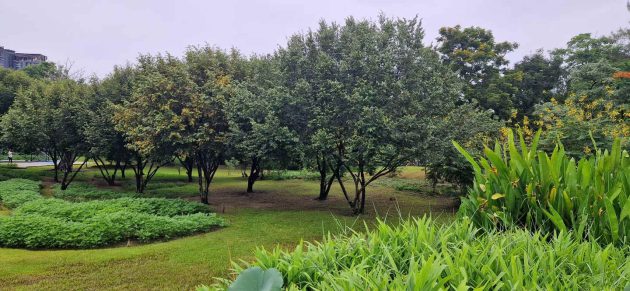
Nowadays, it is a public park visited (at least early on a weekend) by an alarming number of fitness-crazy Thais (I did not know they existed). Though given that at least 4 of them asked me to take photos of them in their running gear, maybe doing sports is still a bit of an exception for them.
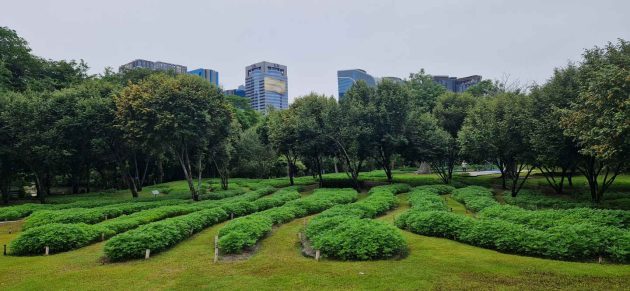
The transition to a public park also offered opportunities for non-golfing bird species to settle down here, and fortunately for this birder staying at a lower-end hotel nearby, they did take those.
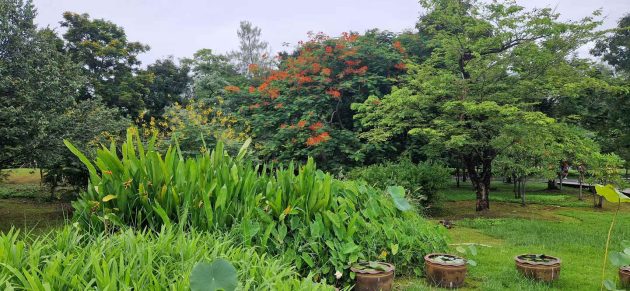
The hotel was maybe 500 meters away from the park by air – which in Bangkok means you have to walk for at least twice the distance. Usually, the one advantage of being a pedestrian is that you can take the shortest route, but not so in Bangkok. There are bridges to cross and park entrances to reach, so every walking distance takes at least twice as long as it could (or probably would, if you were driving). No wonder the Thai establishment likes the status quo, and no wonder a large share of the population does not.
But this post should not be about politics, even though it is tempting to add something about how stupid is to have a monarch … and even more stupid to have a law prohibiting any criticism of said monarch (even though voluntarily spending a lot of time in Bavaria of all places is not a sign of high intelligence).
But as a king, he probably does not want to deal with Common Mynas (or common people) anyway.
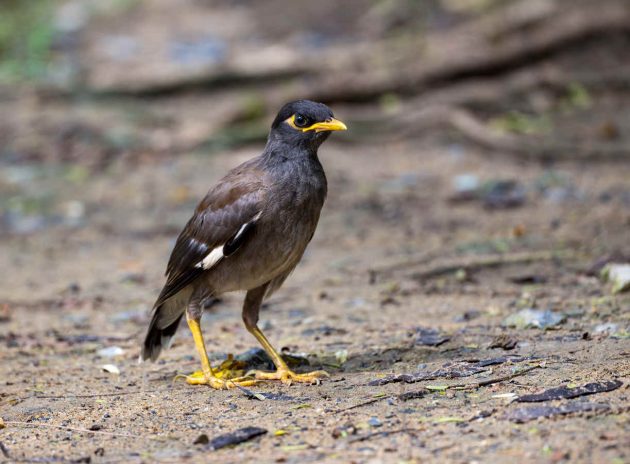
It may not only be his aversion to common things – the scientific name Acridotheres tristis admittedly is off-putting as well.
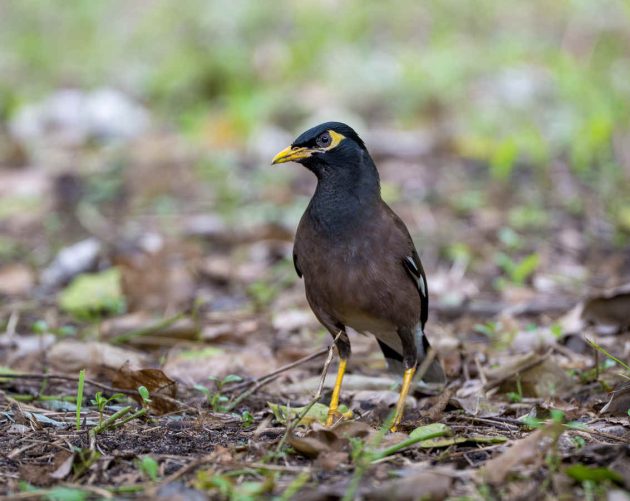
As usual, the HBW/Cornell entry for the species excels by putting America first – the introduction is mostly about the bird’s introduction to Hawaii. Pity for Cornell that this does not seem to be MAGA enough to please Mr. Trump.
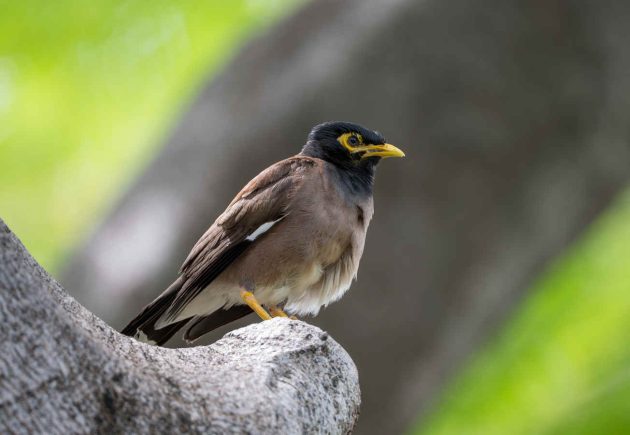
The king is probably also too aristocratic to be interested in some common species such as Plain Prinia …
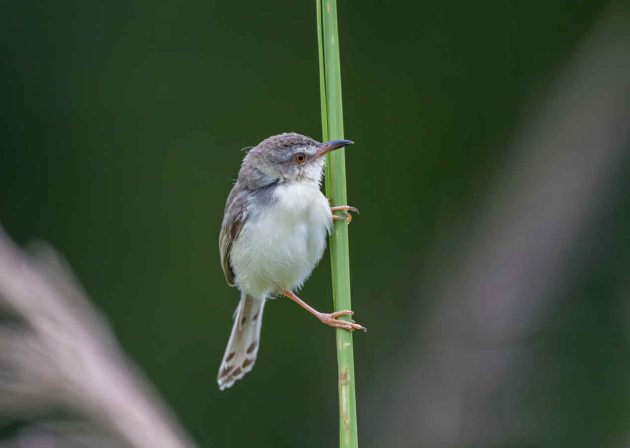
… White-breasted Waterhen …
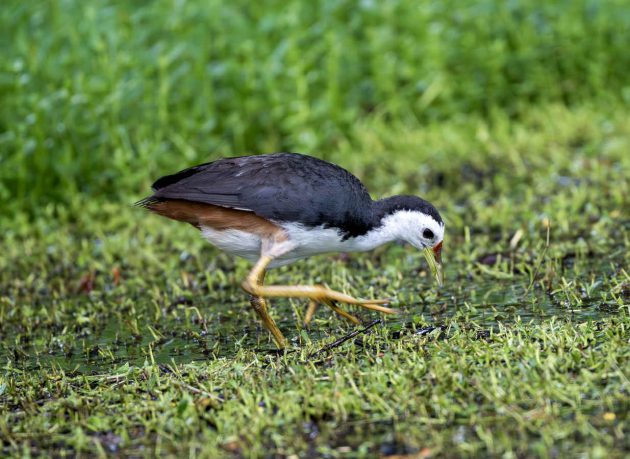
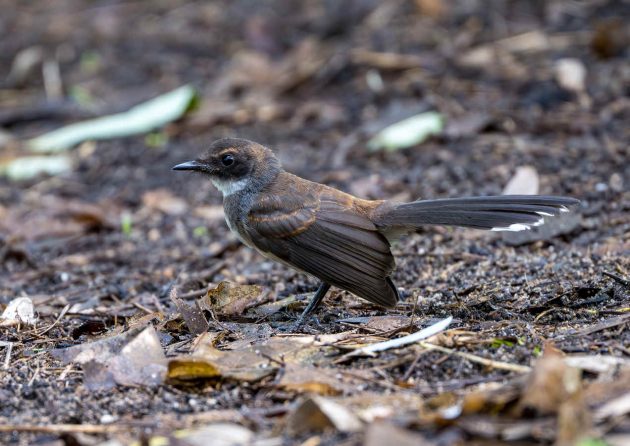
… Malaysian Pied Fantail …
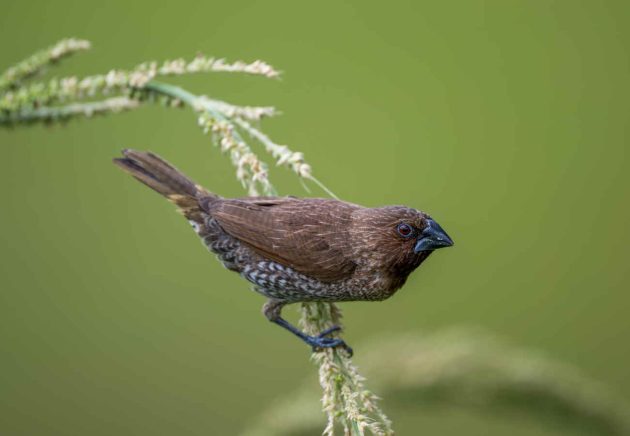
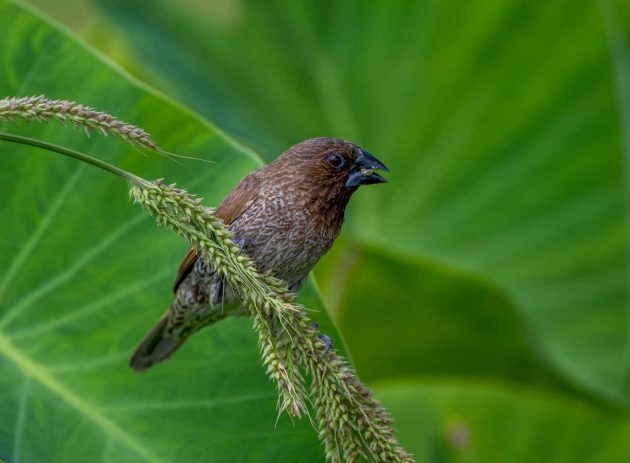
… Scaly-breasted Munia …
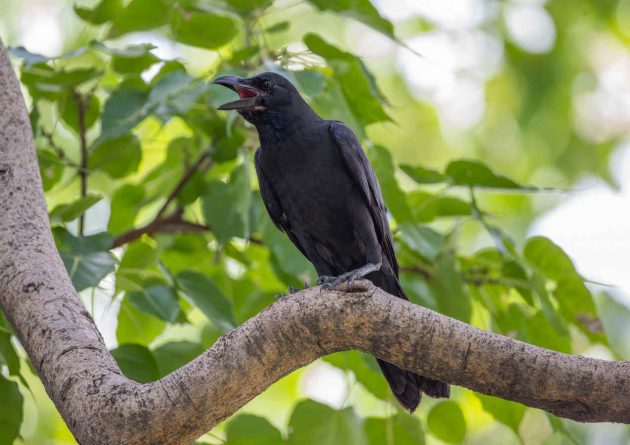
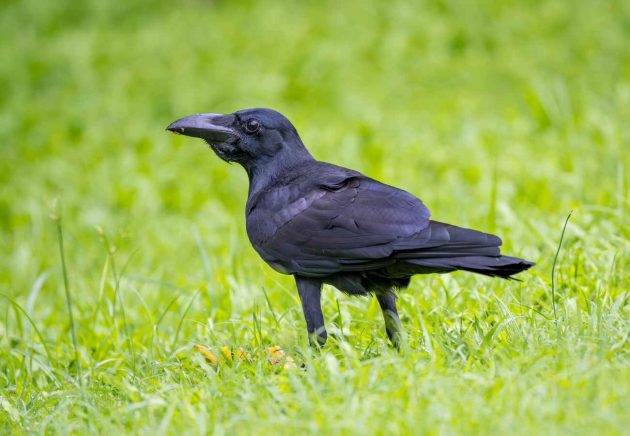
… and Large-billed Crow.
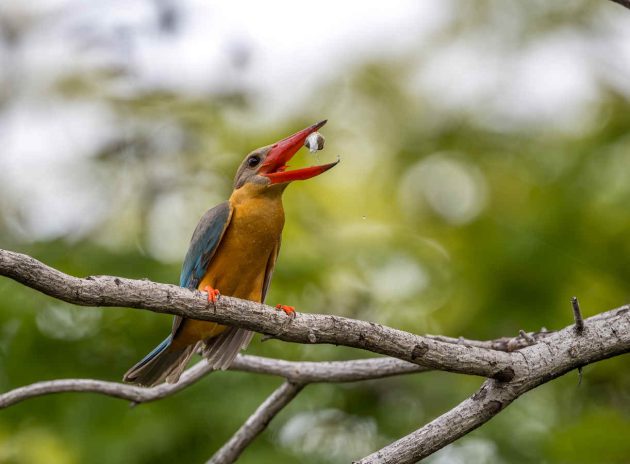
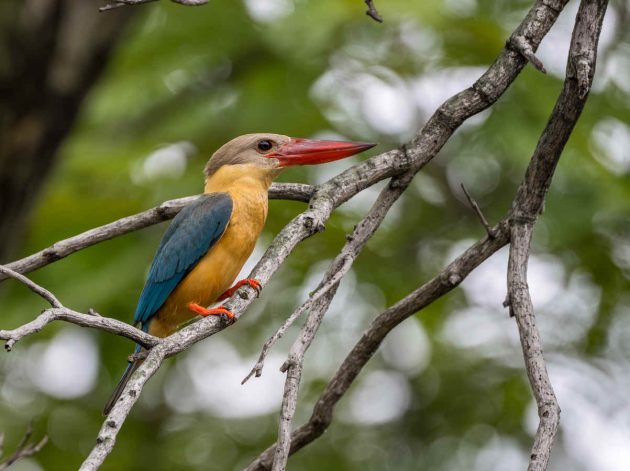
But the king also misses seeing his (sort of) namesake in the park, the Stork-billed Kingfisher.
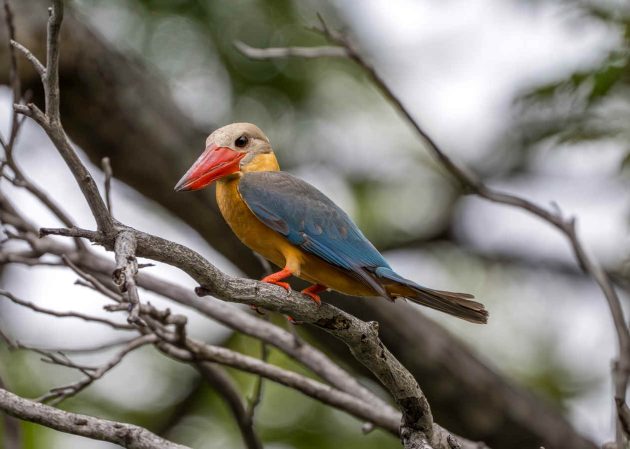
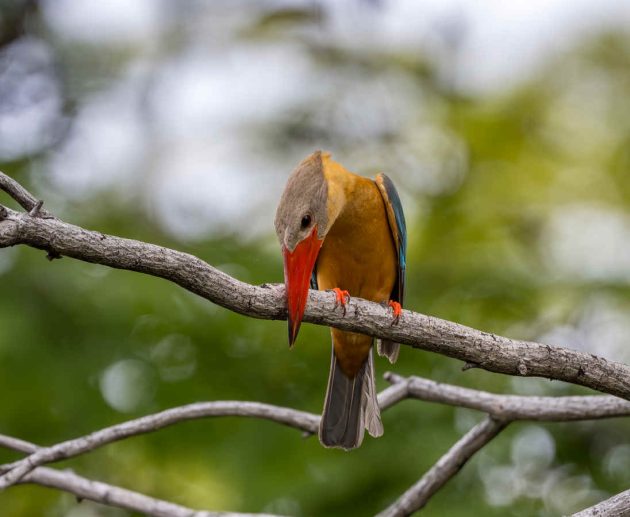
Perhaps it is also a naming issue – the scientific name of the kingfisher is Pelargopsis capensis, indicating that the bird can be found at the Cape of Good Hope in South Africa, where it does not actually reside.
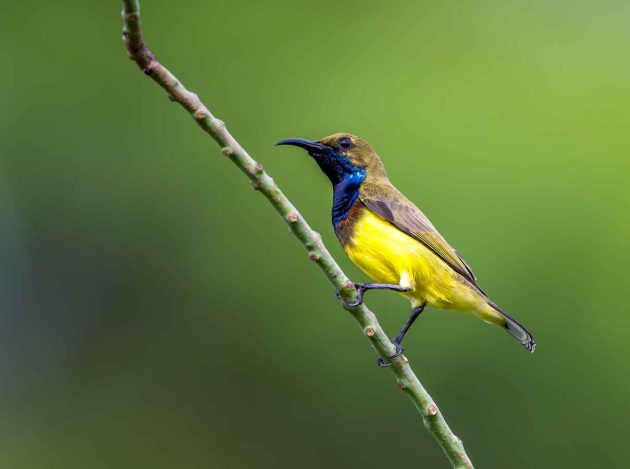
Another attractive bird he will not find in Bavaria is the Ornate Sunbird.
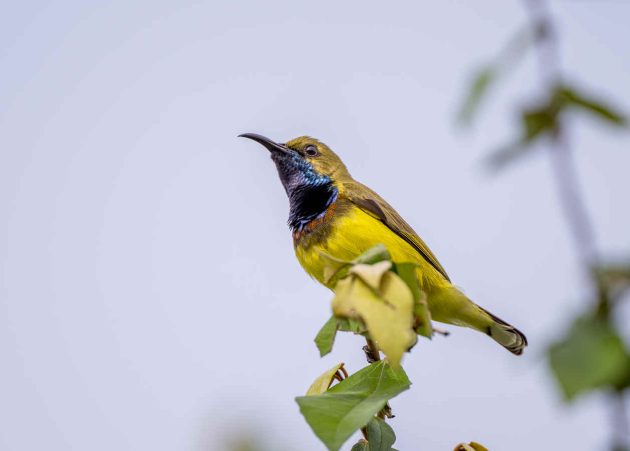
The HBW wistfully notes that ” little is known of this charming bird”.
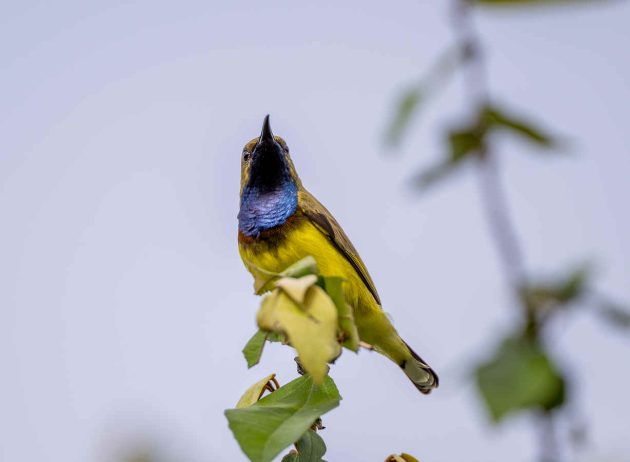
Then again, it also provides a possible rationale: “Despite its gaudy appearance, the Ornate Sunbird closely resembles quite a number of other sunbird species”.
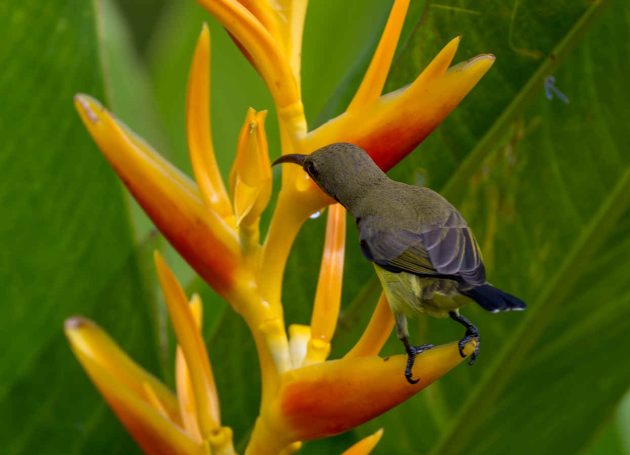
Leaving the king, of whom I am heartily tired now, the park is a good location to get close to some common and attractive Thai species.
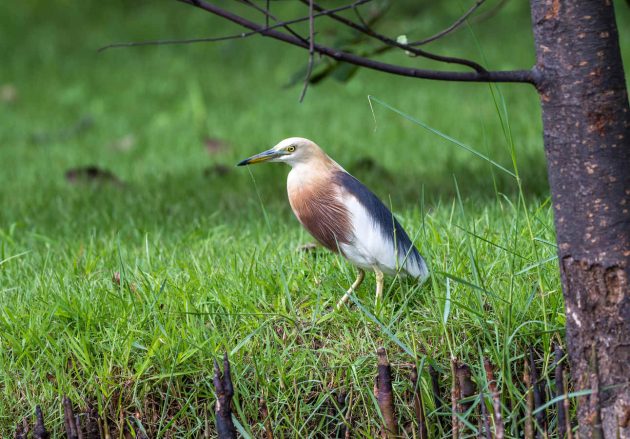
Such as the Javan Pond Heron.
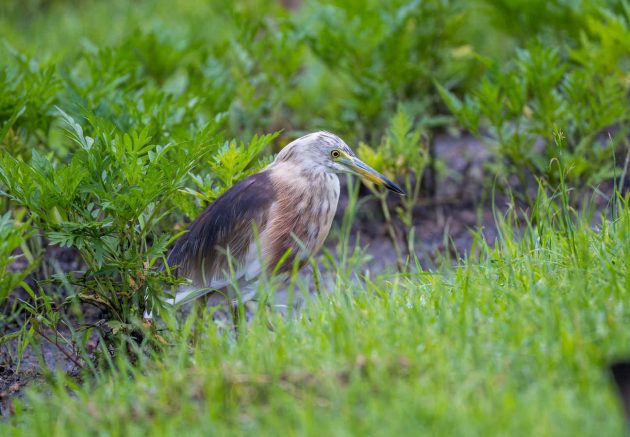
Given the difference between its nondescript non-breeding plumage and its splendid breeding one, its scientific name Ardeola speciosa (speciosa means splendid, beautiful) clearly refers to the latter.
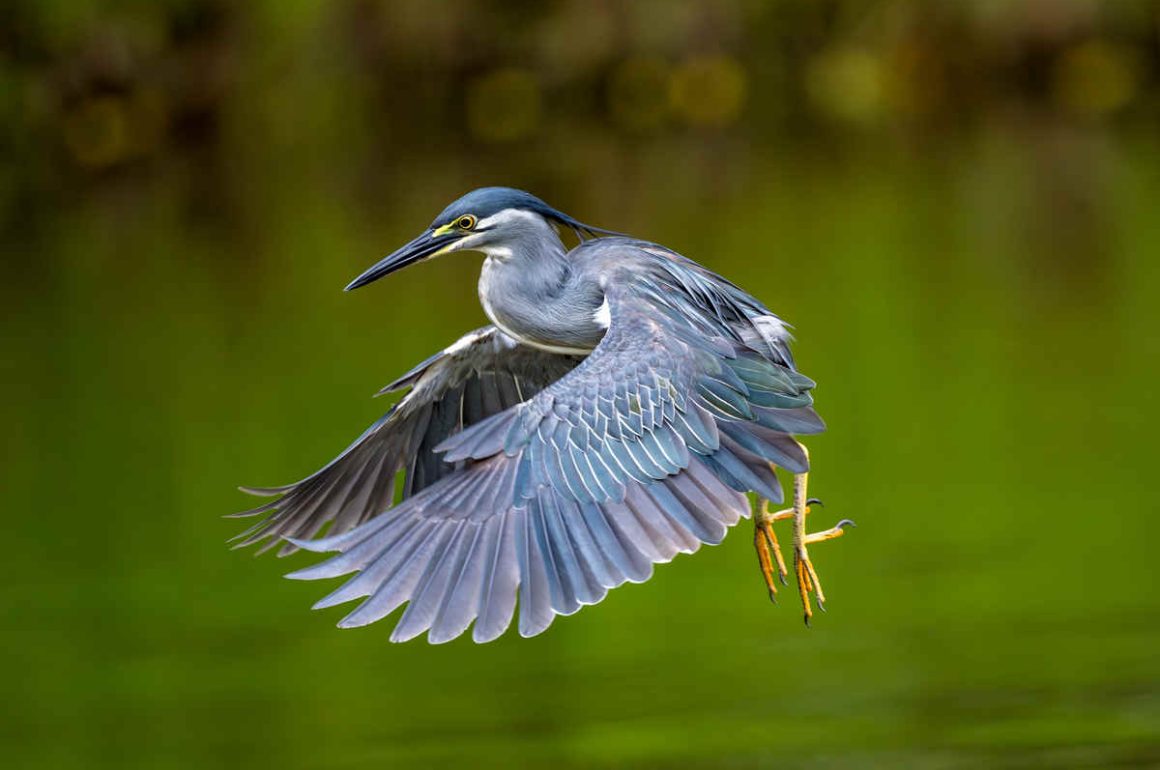
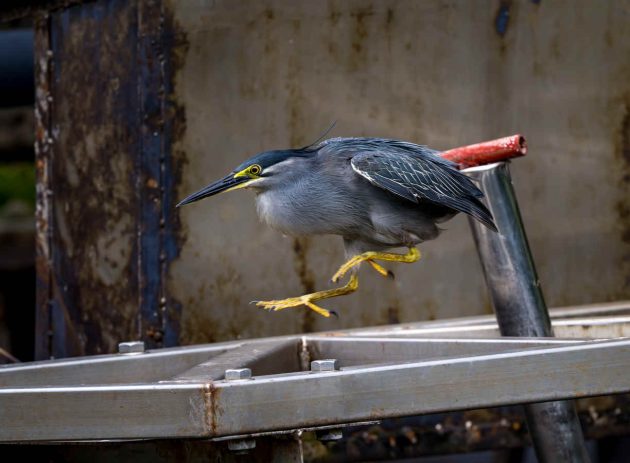
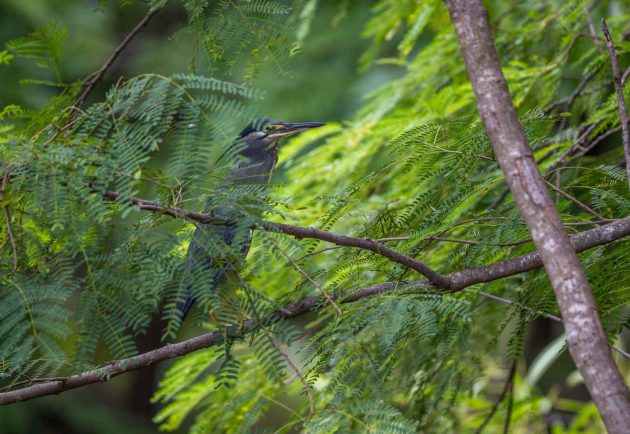
Its relative, the Striated Heron, is also nearby.
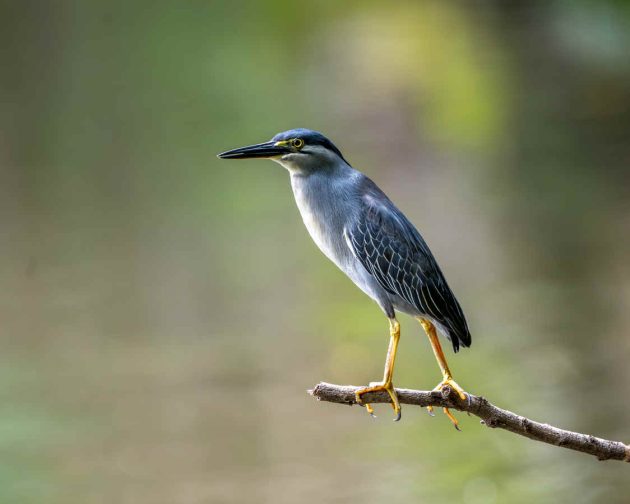
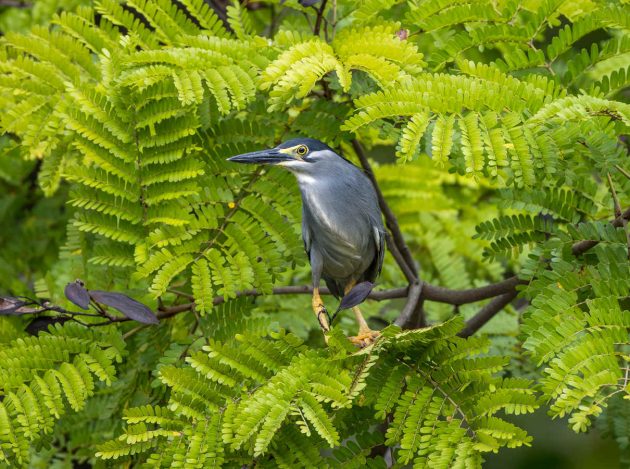
Its scientific name, Butorides striata, indicates that it resembles a bittern (Butor means bittern) – not so sure about that though.
The Asian Koel has completely outsourced bringing up its chicks.
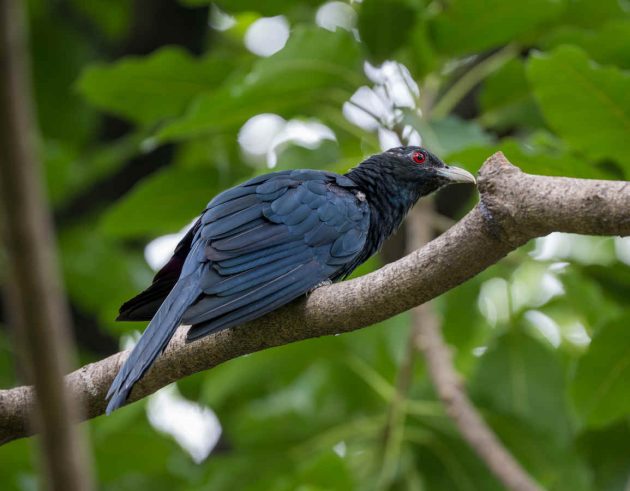
Fortunately for the species, the crows, starlings, and mynas in the park are all suitable host species.
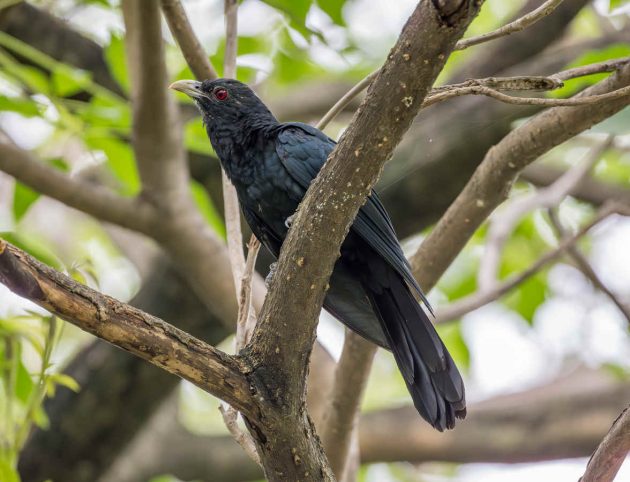
So, maybe these Black-collared Starlings …
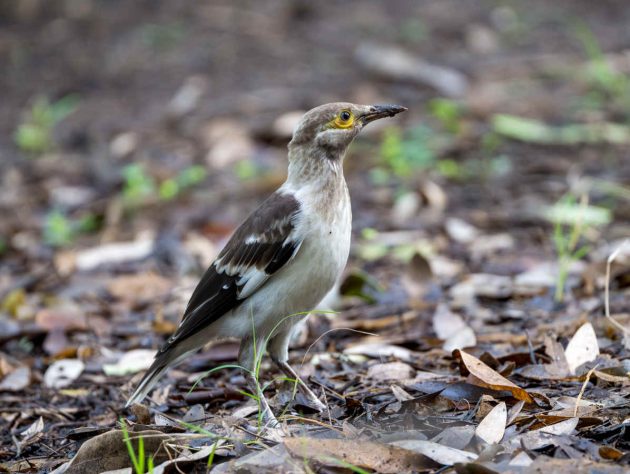
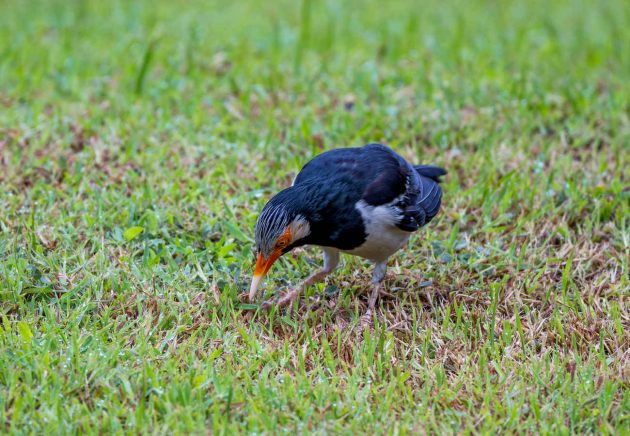
… and Siamese Pied Mynas all grew up in a nest shared with a koel – in contrast to most brood-parasitic cuckoos, nestlings of koels and foster parents usually grow up together (HBW).
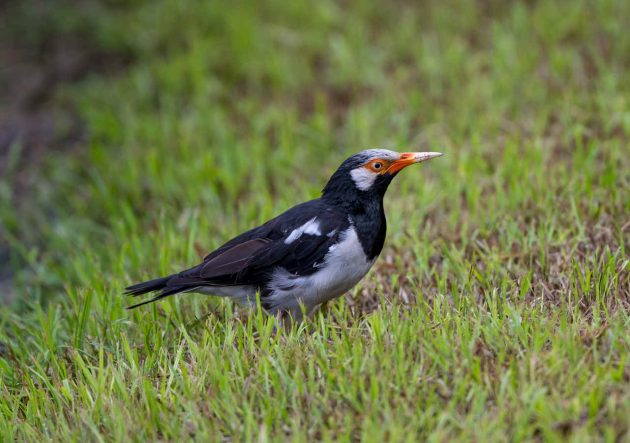
The scientific name of the latter is Gracupica floweri, which sadly does not refer to its flowery appearance but rather to Maj. Stanley Smyth Flower (1871-1946) of the British Army who was also a zoologist.
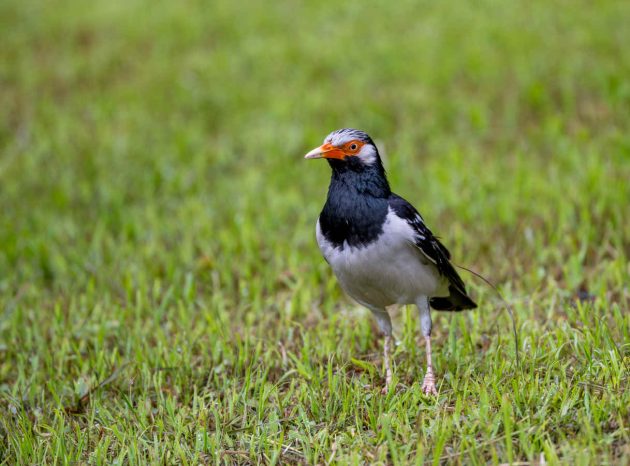
Apparently, Rudyard Kipling wrote that Flower was “one of the most interesting men I have ever met“. Not that this has much to do with the myna, although it also looks interesting.
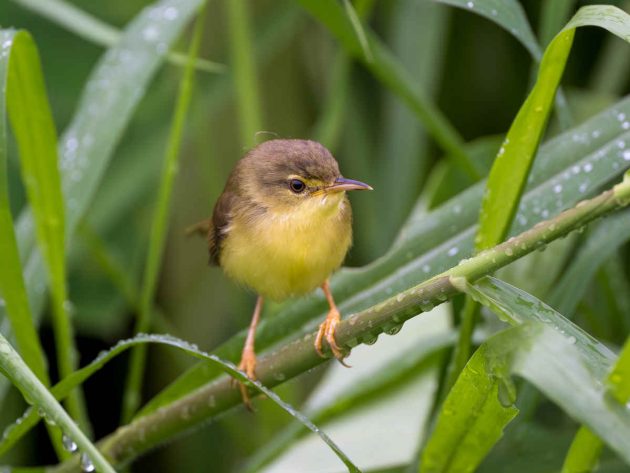
Finally, the park has the Yellow-bellied Prinia. This is a bird not preaching but practicing a sustainable lifestyle – on one island, 29% of all individuals showed nest-dismantling behavior, so they took material from old nests to build new ones. Laudable and avoiding the huge environmental impact of old nests requiring incineration or some other way of disposal (source).
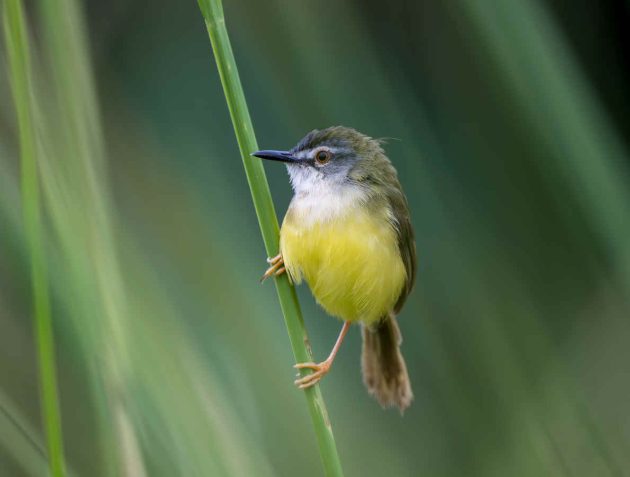
And as sex apparently sells, the last bit of information is on the percentage of extra-pair paternity in nests of the Yellow-bellied Prinia in Guangxi, China. It is about 9% – not zero as one might expect for a socially monogamous bird, but also probably not enough to write steamy erotic novels about the species.







Nice, I was in Pattaya (2 hours from Bangkok) in December. It was fantastic to get up early and just listen to the sounds from the banana plantation I was nearby. When were you there?
The photos were taken on July 19 and 20, 2025.