

Nuwara Eliya is a city in Sri Lanka – with its altitude of about 1900 meters and corresponding cooler climate, it seems to have served a similar function as the hill stations in places like Malaysia.
Which means the British colonists created their own Little Britain (not the comedy series) – complete with fox hunting, deer hunting, polo, golf, and cricket (source).
And in the middle of the city, they created a park, which they named after a Kinks song: Victoria Park (another band, The Fall, later covered that song as well).
This park even has its own Wikipedia entry, informing us that the park was established with the planting of its first tree by a visiting German Princess (an oak tree, of course). And Wikipedia promises that “A number of rare bird species can be found in the park”.
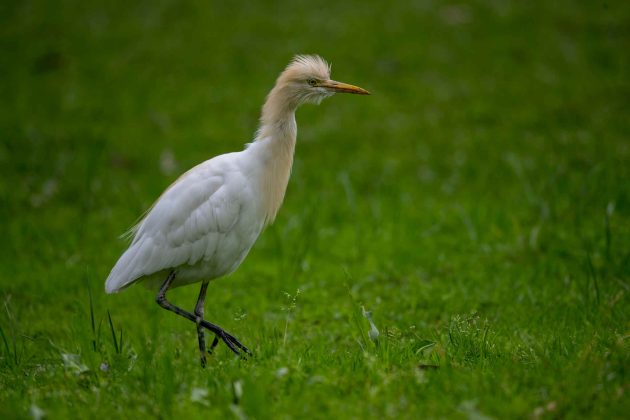
That probably does not refer to the Cattle Egrets in the park …
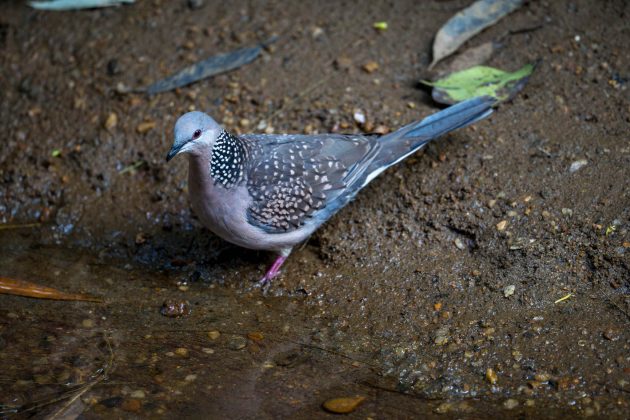
… nor the Spotted Doves …
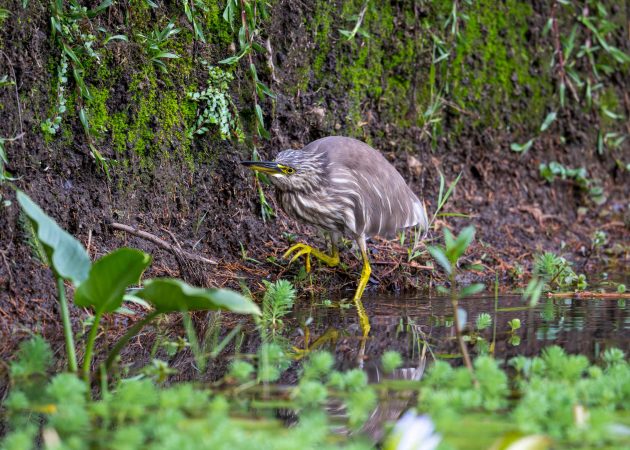
… or Indian Pond Herons.
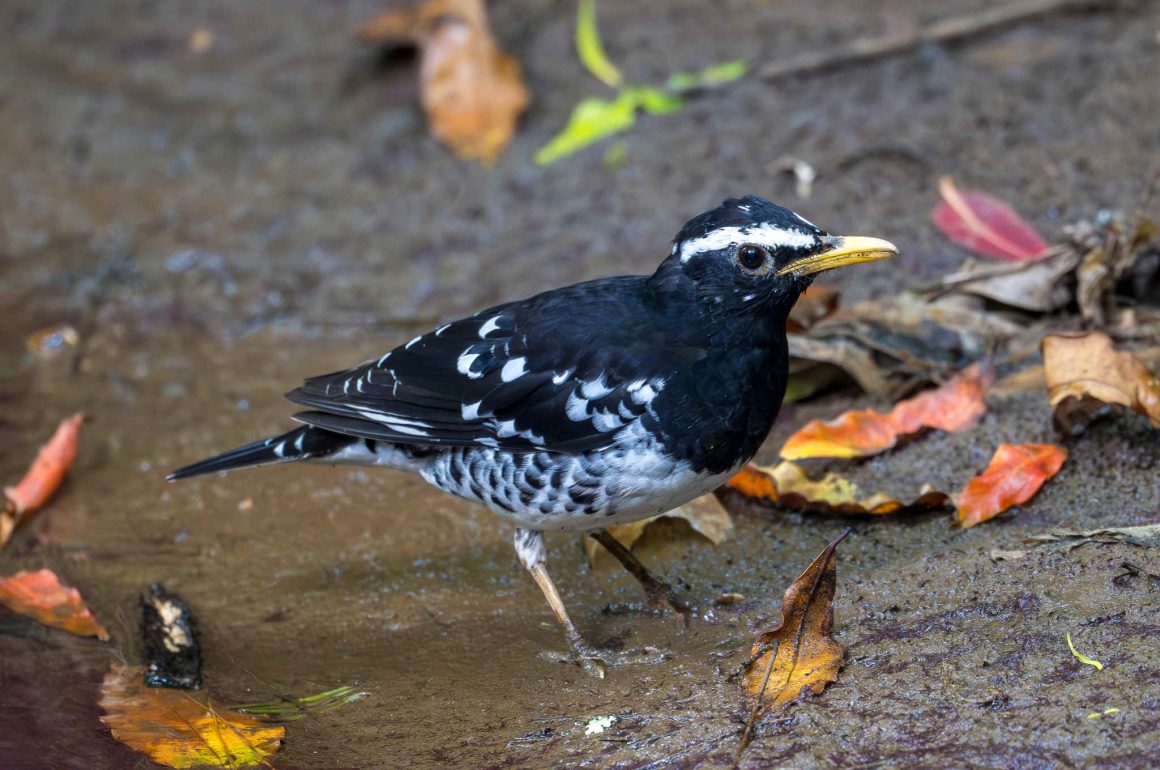
However, a little stream running through the park – well hidden with shrubbery – is the hunting ground of the very attractive Pied Thrush.
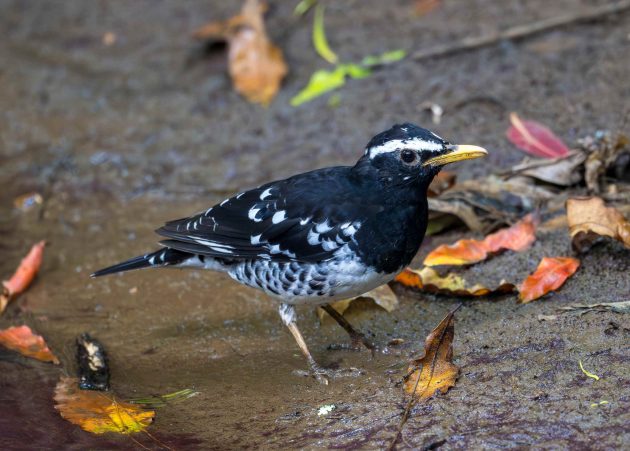
While it breeds in Nepal and nearby locations in India, it winters mainly in the higher elevations of Sri Lanka, including this park.
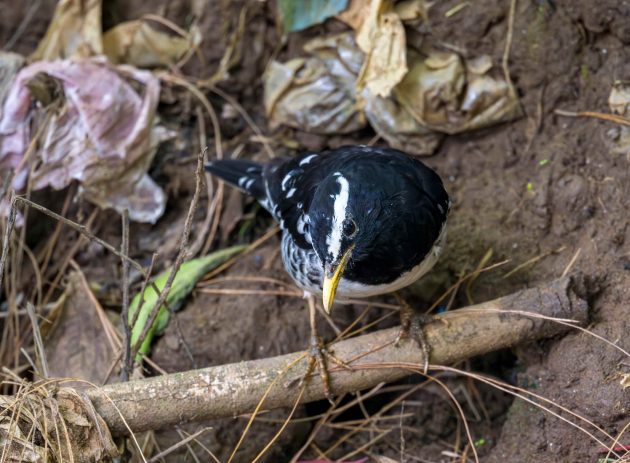
In fact, its Wikipedia entry specifically and curiously mentions the park: “Although rare, they are locally and seasonally seen regularly at certain locations in winter such as at Victoria Park in Nuwara Eliya, Sri Lanka, where a number of birds gather by the stream early in the morning”. To which I can add that it can also be found there in the afternoon.
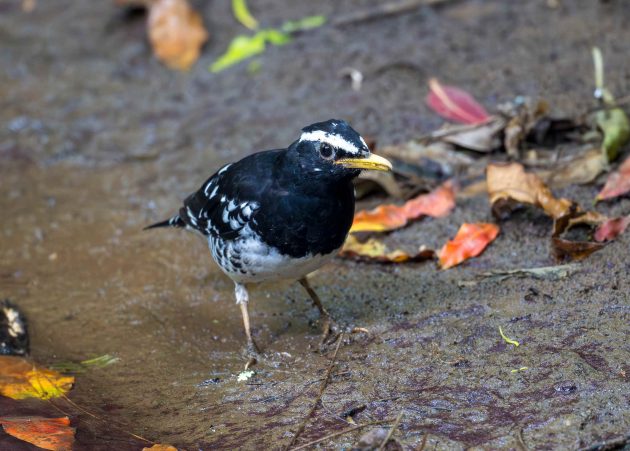
Its scientific name Geokichla wardii commemorates Samuel Neville Ward (1813-1897), a British colonial administrator in India from 1832 to 1863 (and a different person than those of Ward’s Trogon and Ward’s Flycatcher).
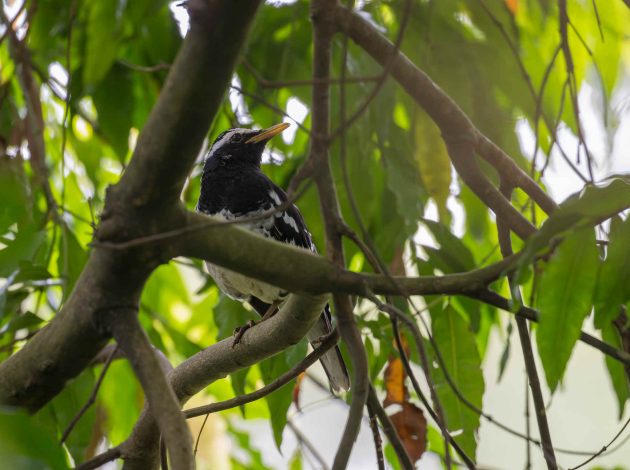
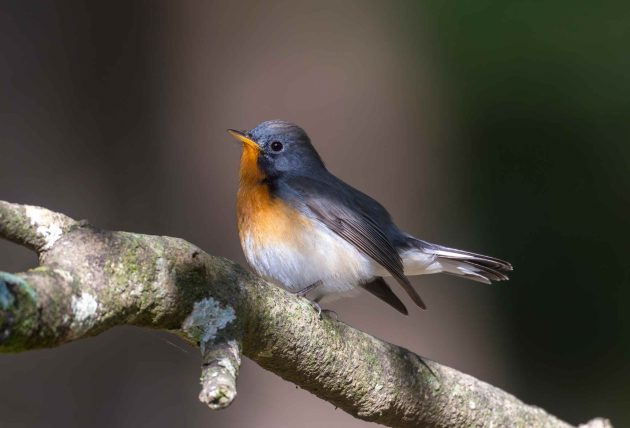
The other species to look for at the park is the Kashmir Flycatcher. It has a similar annual travel schedule, wintering mostly in the highlands of Sri Lanka and breeding in the North of India.
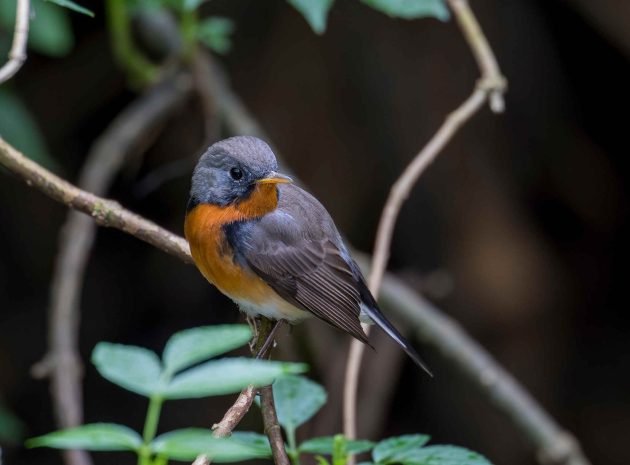
It is listed as Vulnerable due to habitat loss.
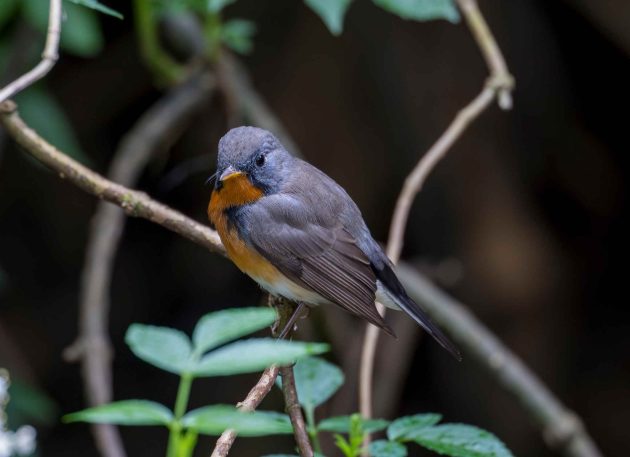
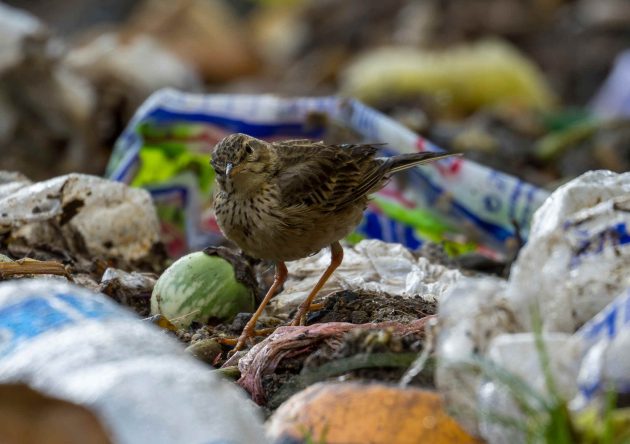
On the morning after visiting the park, we went to the typical kind of location bird guides take you when there are no sewage ponds available: a trash deposit site.
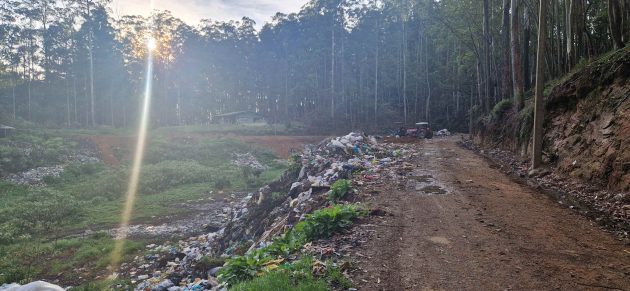
At that site, it turned out to be much easier to see the Kashmir Flycatcher. What does that say about the taste and lifestyle of the species?
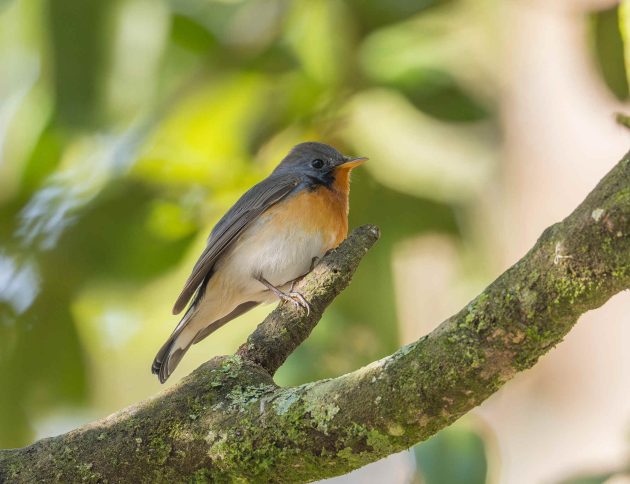
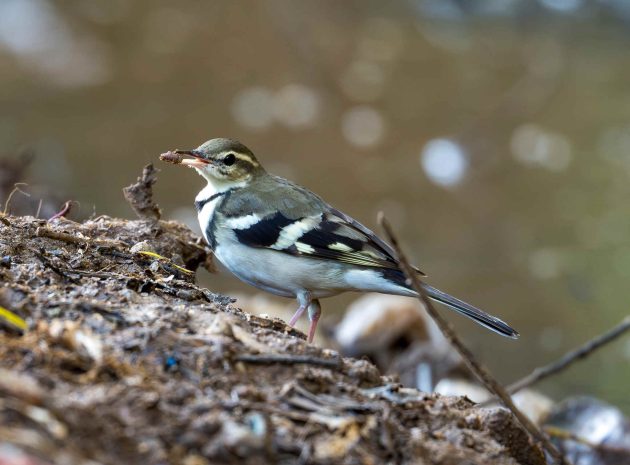
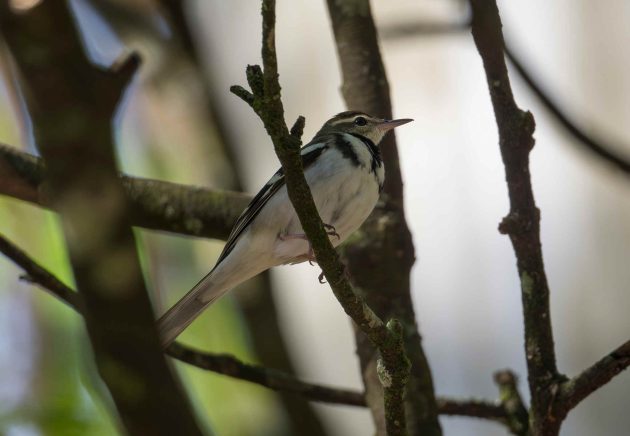
The same applies to the Forest Wagtail seen there. For some reason, Trash Deposit Wagtail is still an unused species name.
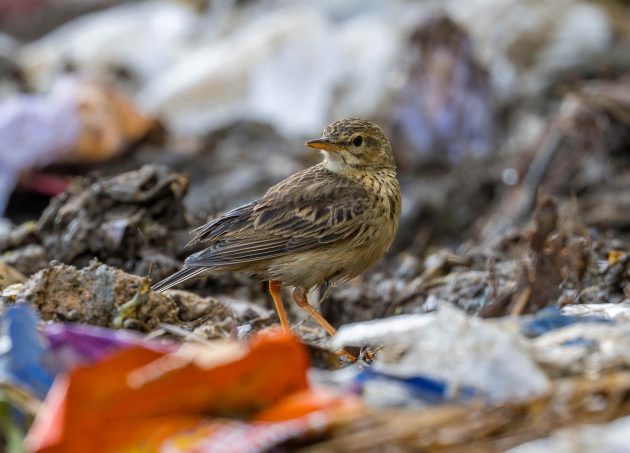
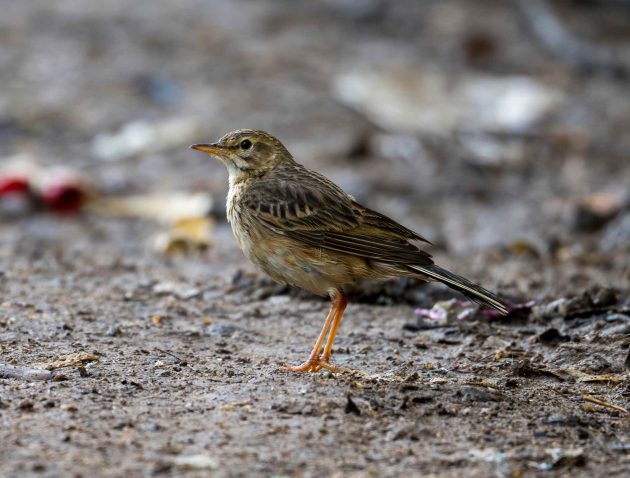
A Paddyfield Pipit displayed similar confusion about the difference between a paddyfield and a trash deposit. And yes, I like taking photos of birds and trash. They are real. If you (e.g., the Sri Lanka Tourist Office) do not want me to take them, don’t spread your trash around in nature.
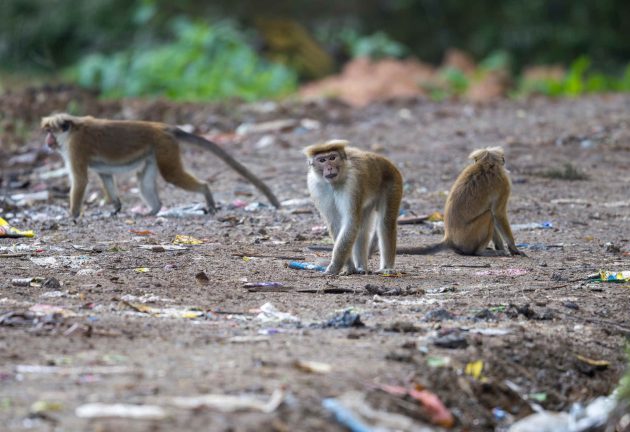
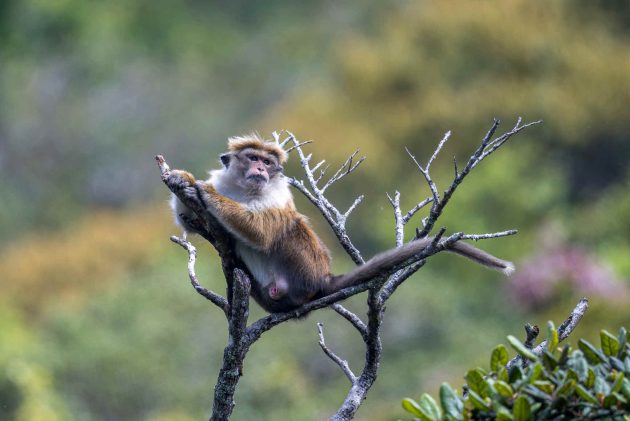
Unsurprisingly, mammals are also attracted to trash – not only in politics.
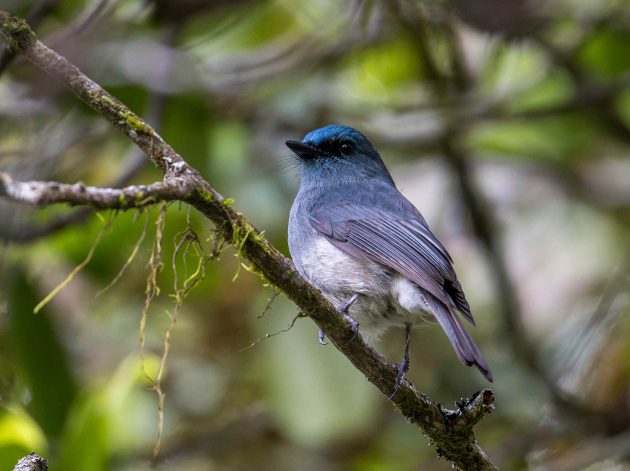
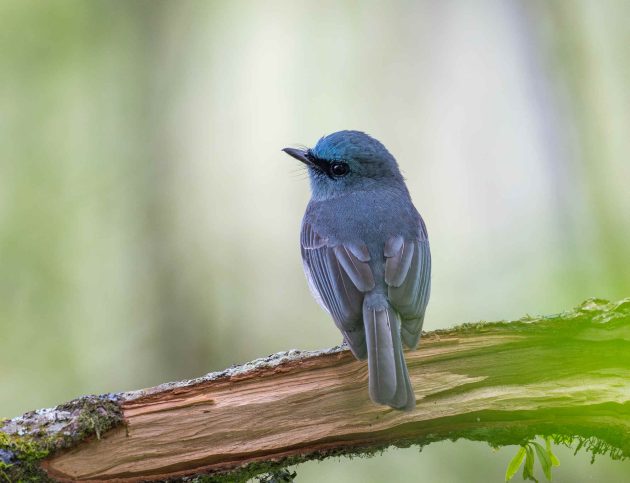
Nuwara Eliya also has some of the Sri Lankan highland endemics that Horton Plains is known for, namely the Dull-blue Flycatcher …
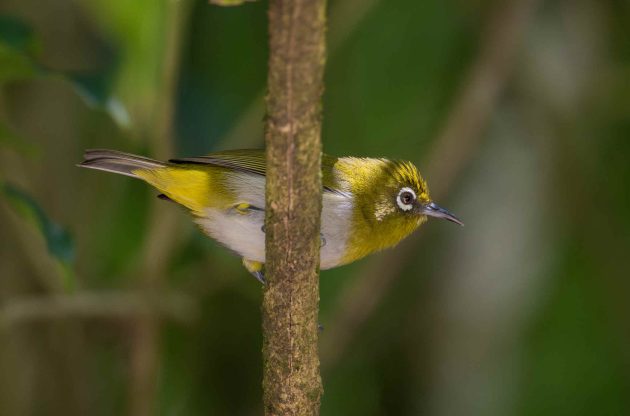
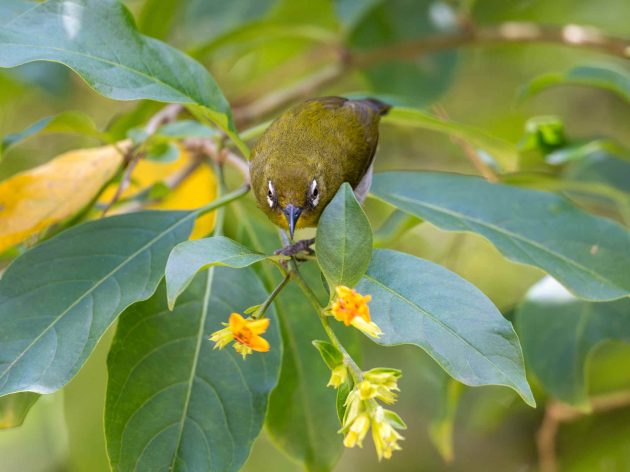
… Sri Lanka White-eye …
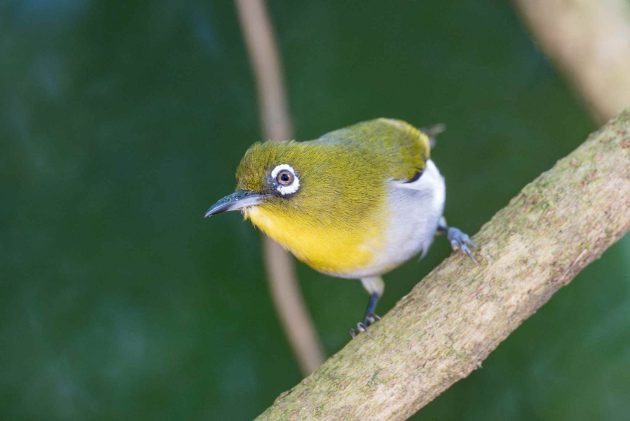
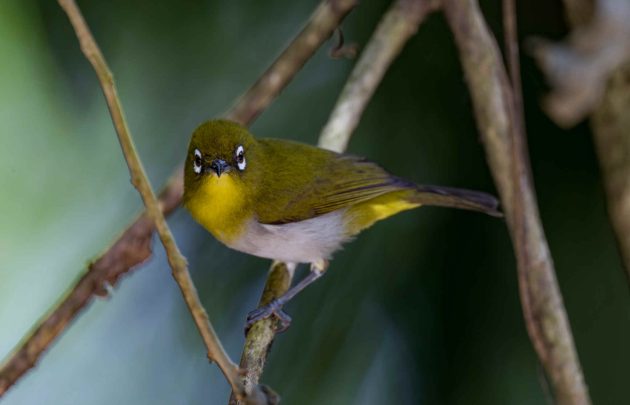
… which has the slightly comical statement “white eyering of average width” in its HBW profile …
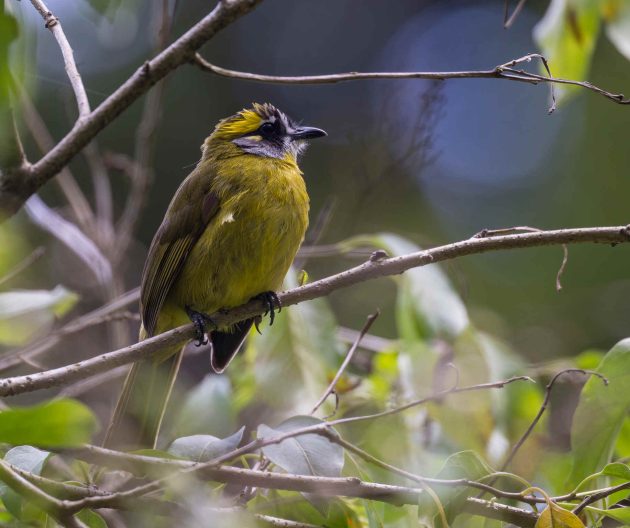
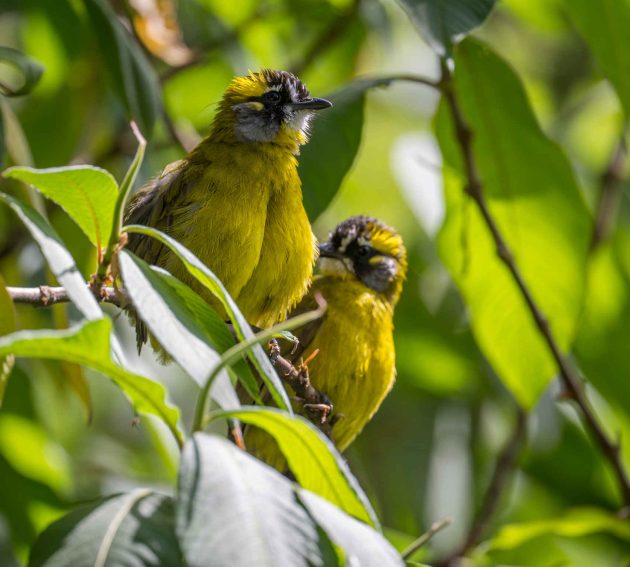
… and Yellow-eared Bulbul.
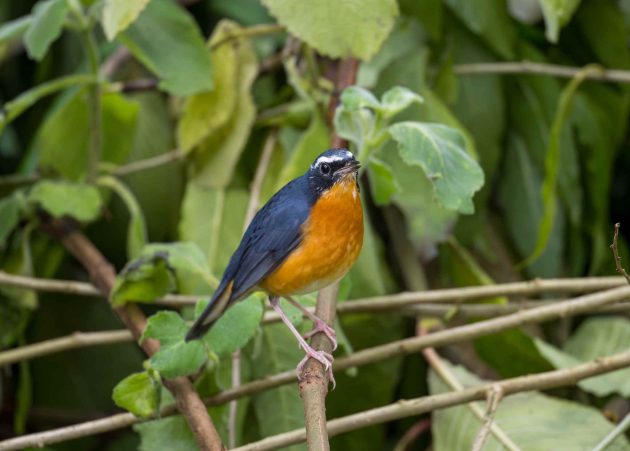
Not endemic but beautiful: Indian Blue Robin …
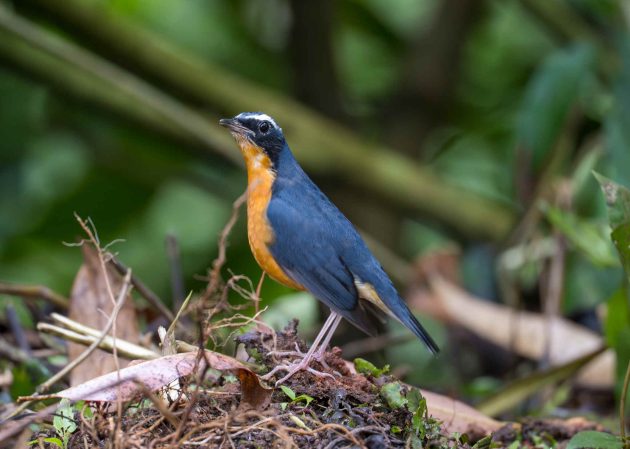
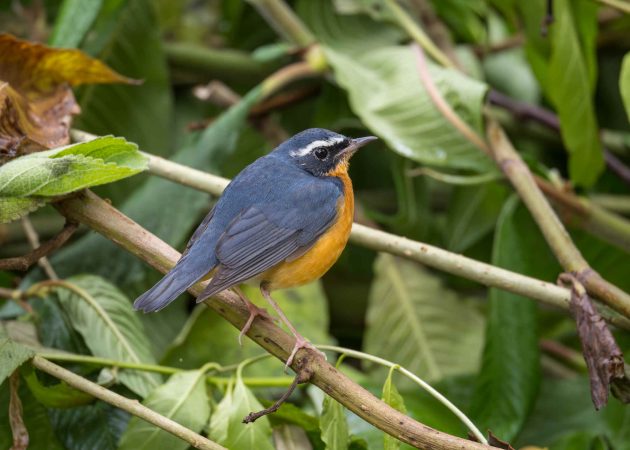
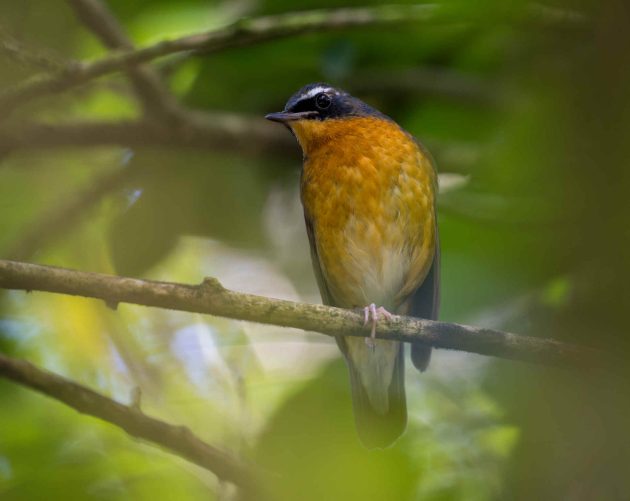
… a rare example of the scientific name being derived from the female (Larvivora brunnea indicates that this is a brown bird, which fortunately, the male is not) …
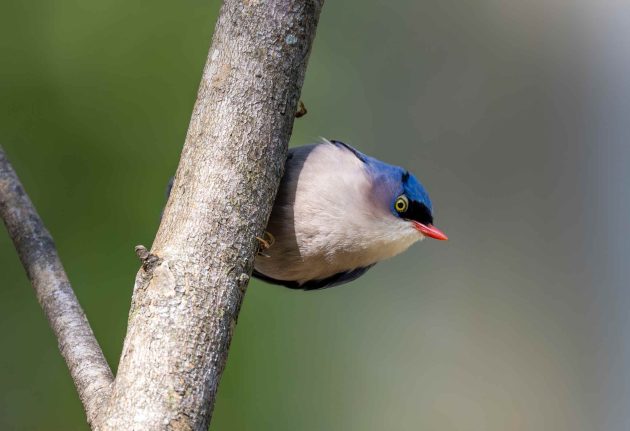
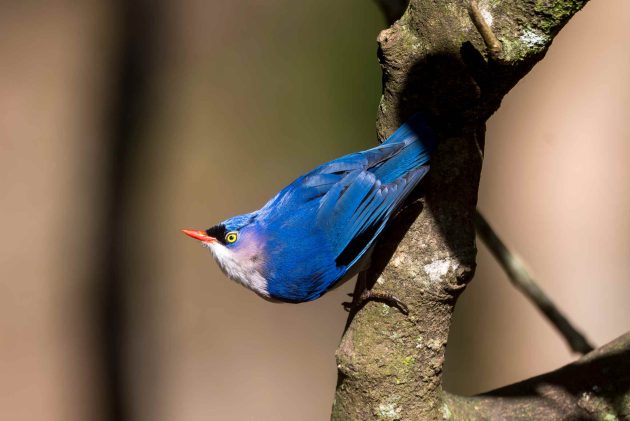
… and Velvet-fronted Nuthatch.
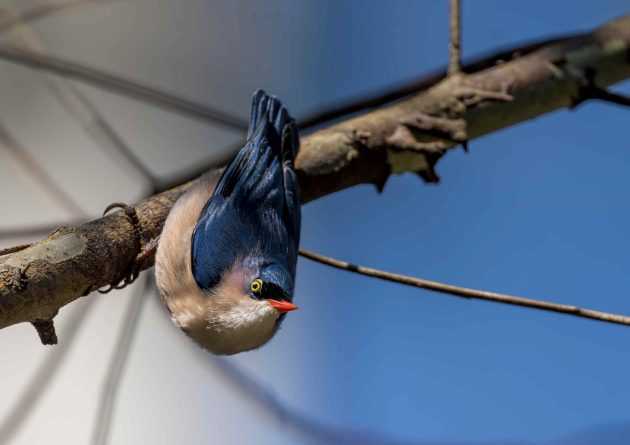
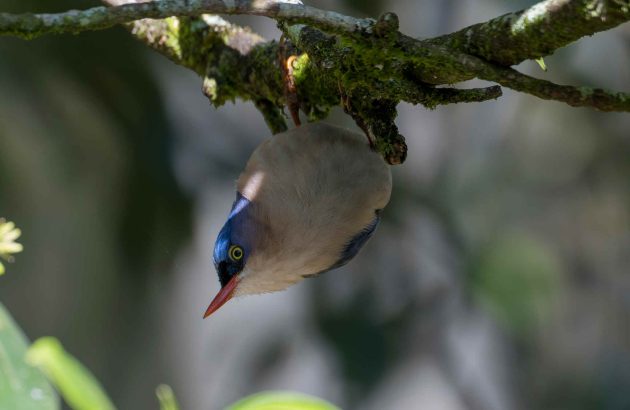
Only the male has a black stripe behind the eye.
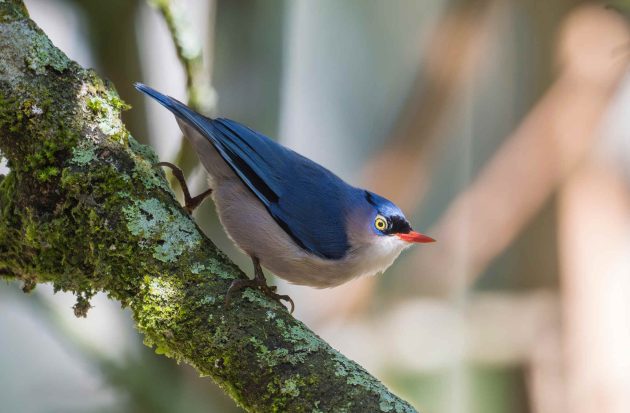
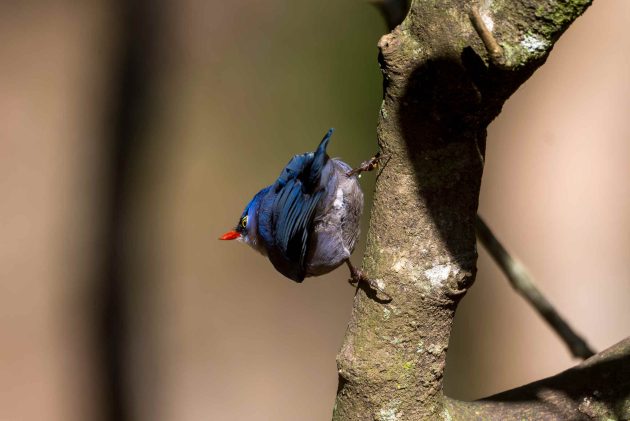
The short note “very active” in the HBW entry of the bird subtly hints at the difficulty of getting good photos of this species.
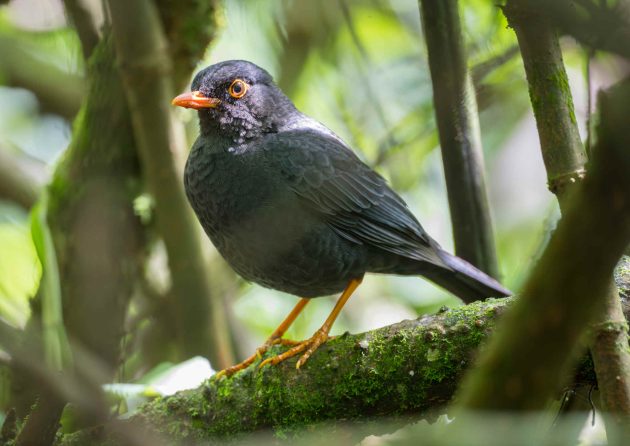
Finally, I saw this Indian Blackbird not exactly at Nuwara Eliya but on the way to the next stop, at a lower altitude. Should have noted down the location – but with these eyes, it would be a shame not to show the bird.
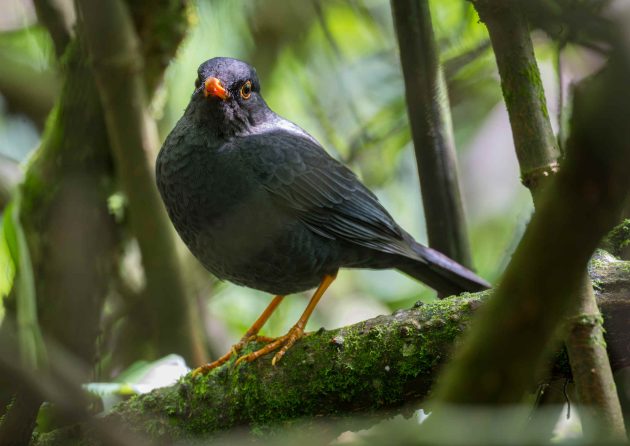
The scientific name Turdus simillimus presumably indicates that the species is very similar (simillimus) to the Common Blackbird, with which it was formerly regarded to be conspecific.








Trash attracts flies and flies are food… could that be the explanation?
The Pied Thrush, Dull-blue Flycatcher and Pair of Yellow-eared Bulbul photographs are fantastic.
Thanks, Kelly!
Absolutely. Lots of flies there. Birds love rotting organic trash.