
Which bird species do you think is the biggest attraction to visitors of your lodge (please only name one species)?
The Grey Tinamou (Tinamus tao) is a highlight for many visitors, with frequent sightings reported along trails near the hummingbird feeders—a rare opportunity to observe this elusive forest species up close.
Grey Tinamou (Byron Puglla)

What is the name of your lodge, and since when has your lodge been operating?
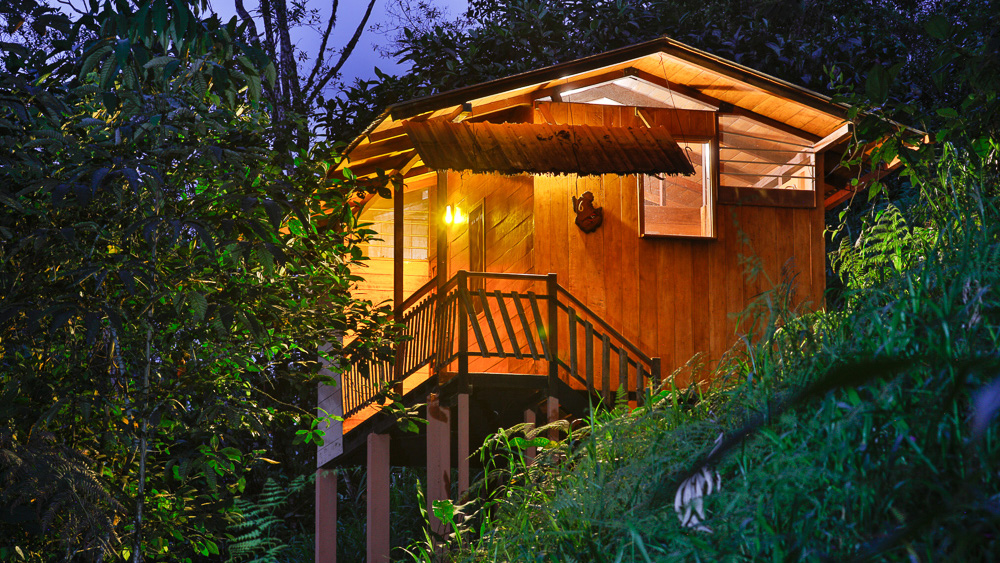
The lodge is called Copalinga Lodge, located within the Copalinga Reserve at an elevation of 1,000 meters above sea level. Nestled in subtropical forest, the lodge is managed by Fundación Jocotoco and forms part of our ongoing conservation efforts in southern Ecuador.
How best to travel to your lodge?
From the Zamora bus terminal, take the road toward Podocarpus National Park until you reach the La Chapetona roundabout. Keep to the right and follow the turnoff toward Podocarpus National Park. Copalinga is located 3 kilometers along this road.

What kind of services – except for accommodation and food – does your lodge offer to visiting birders?
Copalinga Lodge offers a variety of birding services, including a hummingbird feeding station, self-guided forest trails, and access to expert birding guides. Guests can also enjoy a natural viewing platform near the Bombuscaro River, ideal for spotting forest and river-edge species in comfort.
What makes your lodge special?
Copalinga Lodge is nestled in subtropical forest, offering excellent opportunities for hummingbird watching and a unique experience of being fully immersed in the natural rhythms of the forest. Its tranquil setting and limited number of visitors provide a peaceful and intimate birding experience.

What are the 10 – 20 most interesting birds that your lodge offers good chances to see?
At Copalinga Lodge, birders have good chances of spotting the elusive Grey Tinamou, Bearded Guan, Gray-breasted Mountain-Toucan, Lacrimose Mountain Tanager, Red-hooded Tanager, Coppery-chested Jacamar, Ecuadorian Piedtail, White-breasted Parakeet, and Chestnut-crowned Gnateater along with a variety of hummingbirds such as spangled coquette, tanagers, and other tropical forest birds. The lodge’s location in a subtropical forest supports a rich diversity of species for a rewarding birding experience.
Coppery-chested Jacamar (Andres Vasquez)

What is the best time to visit your lodge, and why?
Copalinga Lodge can be visited year-round due to its humid tropical climate, but the dry season offers more comfortable conditions for hiking and birdwatching.
Is your lodge involved in conservation efforts? If yes, please describe them.
Yes, Copalinga Lodge supports the preservation of subtropical forest ecosystems, focusing on the protection of rivers and key ecological processes vital to maintaining biodiversity and forest health.
What other suggestions can you give to birders interested in visiting your lodge?
We recommend bringing lightweight clothing, sturdy boots, and a rain jacket. A good zoom lens is ideal for photographing hummingbirds in flight.
Do you have activities for non-birders? If so, please describe.
Non-birders can enjoy guided hikes through the humid forest, as well as observing the rich riverine biodiversity and diverse plant life found around the reserve.
If any reader of 10,000 Birds is interested in staying at your lodge, how can they best contact you?
For reservations or more information, please contact us at:
Email: info@jocotoursecuador.com
Phone: +593 99 244 0038
Website: https://jocotoursecuador.com
Is there anything else you would like to share with the readers of 10,000 Birds?
Staying at Copalinga Lodge directly supports conservation efforts and helps generate local employment, making your visit meaningful beyond birdwatching



Leave a Comment