

By Elizabeth Waddington
Elizabeth is a writer, permaculture designer and green living consultant. She is a practical, hands-on gardener with a background in philosophy
As a bird-lover and a keen gardener, I know that living alongside our feathered friends can have both ups and downs. Many new gardeners underestimate the impact that birds have in a garden, both the positives and the negatives. The sooner gardeners get to know the avian visitors with whom they share their space, the more successful their gardens will be.
My gardening journey over the years has involved a number of run-ins with a wide variety of birds, not all of them quite as delightful as you might imagine!
Pigeon Attack!
My first feathered foes were pigeons – descending en masse to my allotment to eat an entire bed of cabbages in just a few minutes, leaving only a few stumps behind. Staggered by the speed at which they could decimate the crops. I soon realised exactly why many crops on neighbouring plots were sensibly covered with cloches or a good quality, taut, bird-safe netting, or row cover.
One neighbour once put up a scarecrow to try to prevent birds from eating his plants. But I got back from work one day to see three or four birds sitting on top of it, using it as a convenient perch as they snacked on his seedlings. In my experience, traditional scarecrows never work for long, if they work at all. Carefully covering crops is often the best solution.
Noisy Neighbours
When I got my own garden, many years ago, I expanded my home-growing efforts considerably. Now with veg beds, a polytunnel, and a mature orchard, I had space to grow a lot more than I ever had before. But all that extra space meant extra challenges – and yes, some of those challenges came from our avian neighbours.
Gangs of noisy pigeons and jackdaws live in an empty barn next door to our own eco barn conversion, and, in general, we have a lot of bird life in this area. Local farmers use loud bird scarers to limit losses.
As a gardener, I’ve learned to guard against them where I can, while also sharing our abundance. I also welcome barn swallows each year, along with a range of other seasonal visitors.
Our polytunnel, along with other physical barriers, keeps crops safe for the most part, though birds still help themselves around the edges – to leafy greens and especially to our fruits.
Though I don’t mind sharing to a point, I do get rather frustrated by corvids taking a few pecks out of a ripe apple near the top of one of our trees before just moving on to the next! Some years, many of the upper apples have just a chunk or two taken out of them!
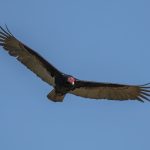
An interesting point to note is that since we’ve tolerated our pigeon neighbours rather than trying to get rid of them entirely, we also see some amazing raptors, or birds of prey, who take a pigeon out now and then and keep the population in balance. We also have a stoat who has moved in somewhere nearby, who eats the odd bird but also helps to keep rodent numbers down.
A Race for Ripe Berries
Many other birds also take their ‘taxes’ – eating and spreading many seeds and berries. Our cherry trees are really just for the birds at this point, while I find I am often in a race with the birds to harvest the other soft fruits – diverse currants, raspberries, blackberries and more scattered throughout my forest garden.
One day, a few years ago, I saw that some redcurrants were ripening before I started work, and I determined to go and get them at lunchtime, a few hours later. But the birds descended, and almost all of the ripe berries were gone before I took my break. Lesson learned. In gardens like mine where birds are welcome, berries need to be picked promptly, or protected from our feathered friends with fruit cages or other physical barriers.
Fortunately, on the whole, our diverse gardens have plenty of berries and other food sources for all. We have lots of bird-friendly plants and want to welcome them in. We do not mind sharing with our bird neighbours.
Birds are Fellow Gardeners
One thing gardeners often forget is that we are not the only ones who garden. Like us, birds shape the environment around them, and in a wildlife-friendly, bird-friendly garden space, they can be remarkably good fellow workers.
We might not always be working to the same agenda, but birds can also help us out in a range of different ways – just as we can help them out by gardening in an organic and nature-friendly way.
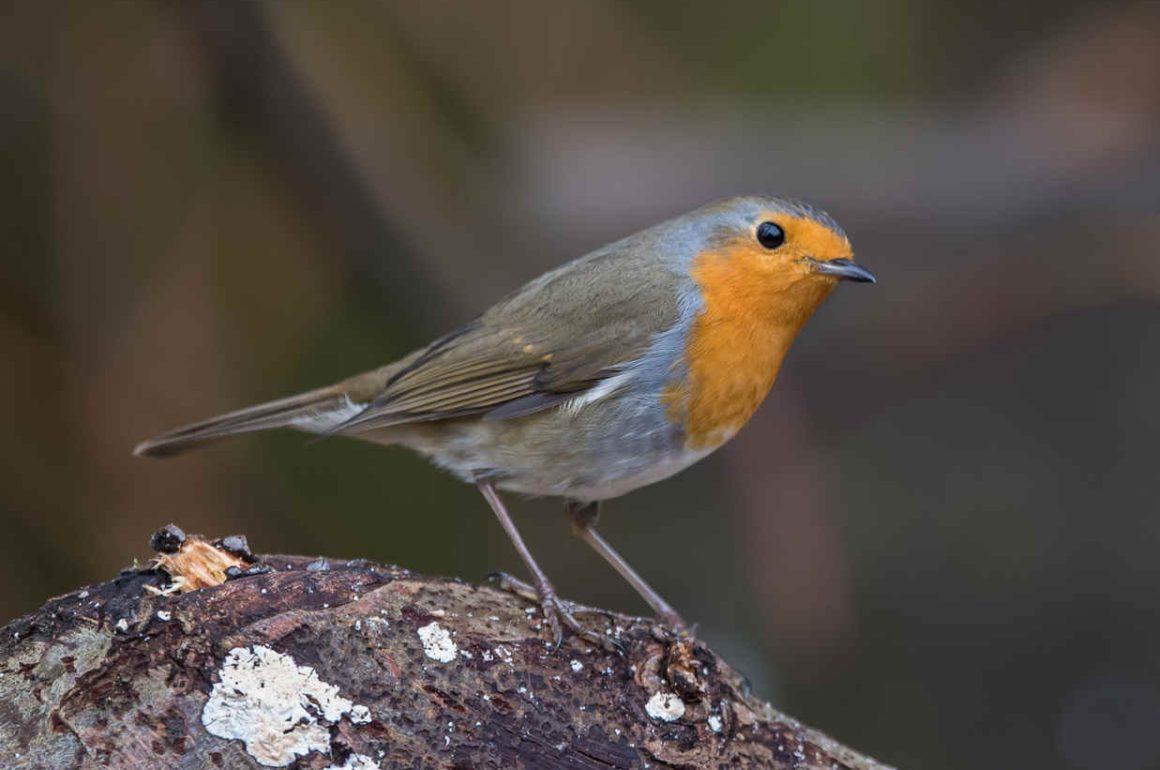
I have one particular helper in my orchard that I see all the time – a robin (very nearly tame) that watches me closely in hopes I will unearth some worms as I work in the garden. Of course, he is one of many birds helping me by keeping the number of pest insects down. Just as robins would once have followed rooting pigs and wild boar, now they follow gardeners, hoping that we will unearth their dinner.
At this time of year, one of my favourite sights is barn swallows (just arrived this spring from Africa) swooping around the fruit trees and catching insects on the wing. They keep pest populations in check.
Rewilding with the Help of Local Birds
Many bird visitors help wilder areas of my garden, bringing in wild seeds. I really embrace wild raspberries which grow prolifically where I live, for example – and know that these will often spread from areas just below popular perches.
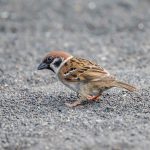
At the same time, finches, sparrows and the like help keep weeds from getting out of control by eating many of the seeds. I like to leave seed heads of perennials in place rather than cutting back, for wild birds and other wildlife.
While we gardeners may get frustrated with birds from time to time, it is important to remember that they are a vital part of the ecosystem on which we depend for the yields of fruits, vegetables, herbs and flowers we want to get from our gardens.
Over the years, I’ve come to see birds not as pests or competitors, but as fellow inhabitants of the garden. They may occasionally test my patience by helping themselves to a crop I’ve been looking forward to harvesting, but they also bring life, balance and endless interest to the space.
From robins hunting worms beside me as I work to swallows darting through the orchard and finches feasting on seed heads, birds play an important role in the health of my garden ecosystem.
Gardening is not about controlling nature completely, but about learning to work alongside it—and sharing a little of the harvest with our feathered friends is often a small price to pay for the joy that they bring!





Leave a Comment