
What is your favourite bird species?
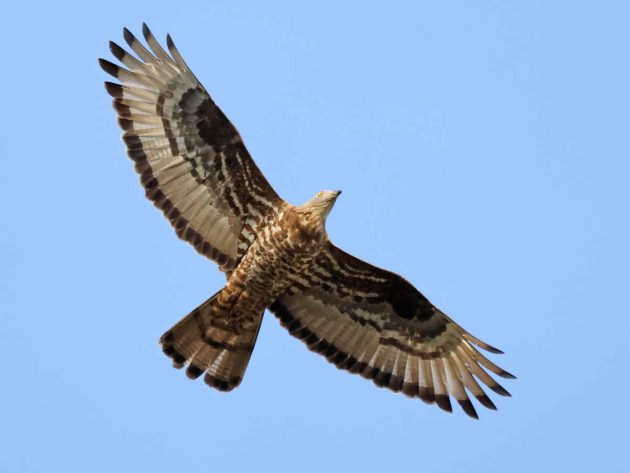
I don’t restrict myself to a single favourite species, but my true passion lies with raptors – from the smallest, most agile falcons to the largest eagles and vultures. Over more than 40 years of active field experience, I have been privileged to study raptor migration at major watchpoints globally. That background makes me deeply appreciate the incredible spring and autumn raptor flyways we witness right here in the Maltese Islands.
European Honey-buzzard
What is your name, and where do you live?
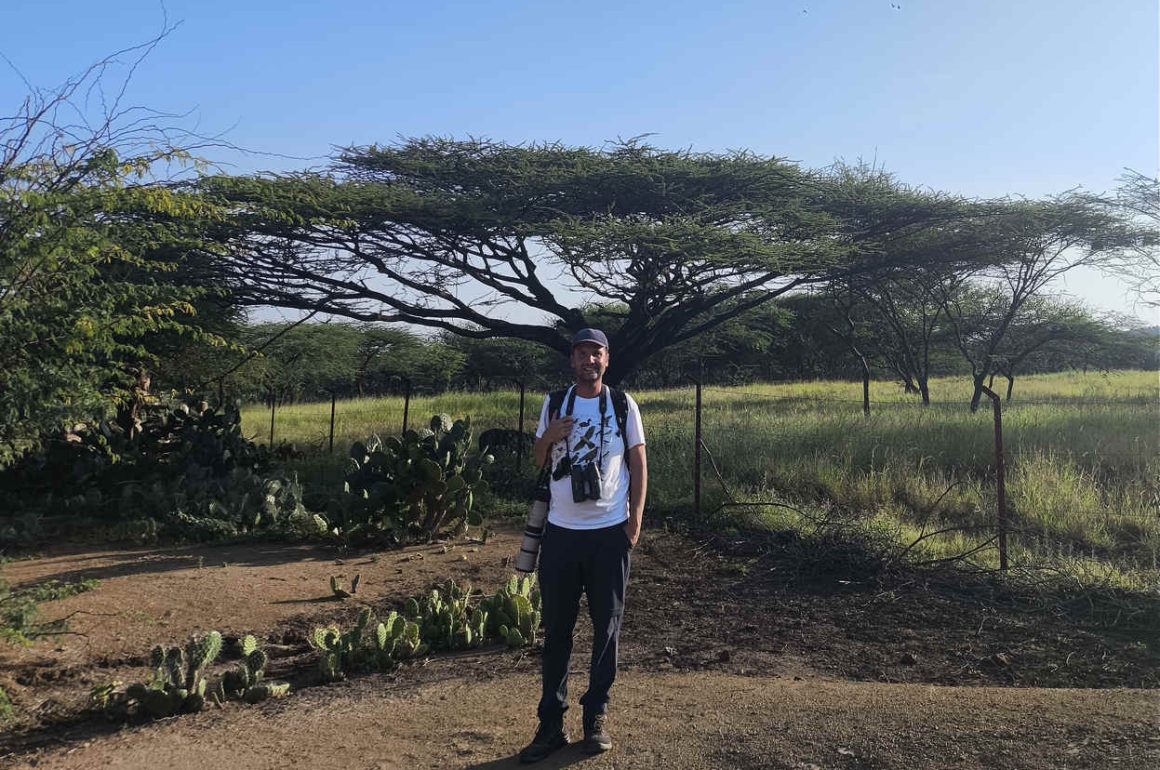
I am Edward Bonavia, and I am based in Malta, the largest island of the Maltese Archipelago in the central Mediterranean.
What are the main regions or locations you cover as a bird guide?
I cover the entire archipelago, including Malta, Gozo, and Comino. During active migration periods, our exact locations shift dynamically based on real-time wind patterns and weather fronts. In Malta, a single weather shift means one part of the island can suddenly be teeming with incoming arrivals while another area remains quiet. True success here relies entirely on monitoring these macro conditions to intercept the birds.
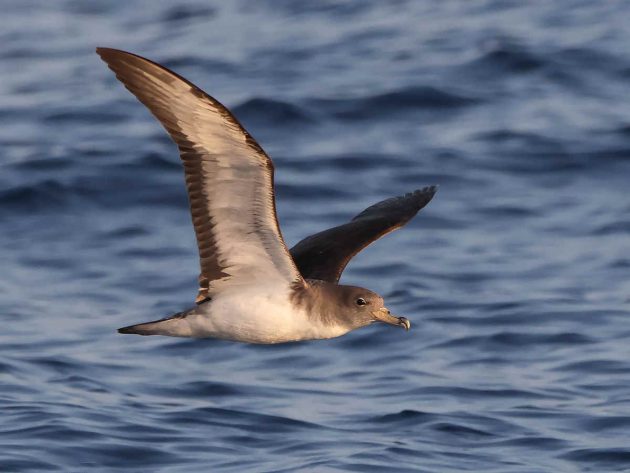
Scopoli’s Shearwater
How long have you been a bird guide?
I have operated as a professional field specialist for just over a decade, but I have been an active birder practically since birth. I owe that lifelong foundation to my father, who introduced me to the complexities of field ornithology at a very young age.
How did you get into bird guiding?
It was a completely natural evolution. I have always derived genuine fulfillment from locating elusive species and sharing those critical field sightings with others. More than that, I am driven by the way a shared passion for avian conservation bridges different cultures worldwide, uniting global birders through a common purpose.
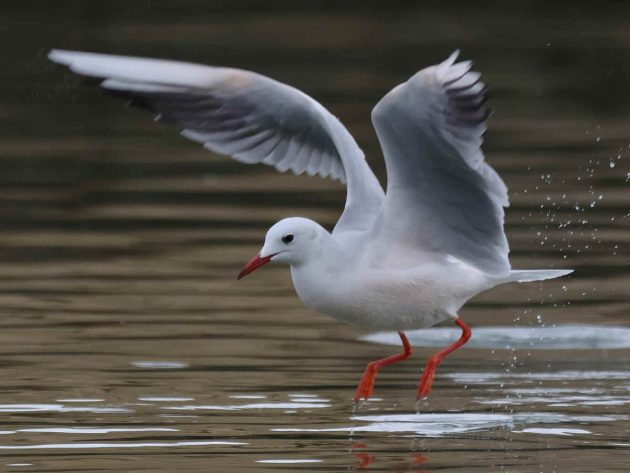
Slender-billed Gull
What are the aspects of being a bird guide that you like best? Which aspects do you dislike most?
What I enjoy most is leveraging my deep local knowledge and specialised field skills to track down target species for serious birders, while equally helping selective travelers experience the sheer diversity Malta offers during their expeditions.
What I dislike most is the growing over-reliance on AI applications for field identification. While technology can serve as a supplementary reference tool, it cannot replace seasoned field instincts, structural analysis, and behavioural understanding.
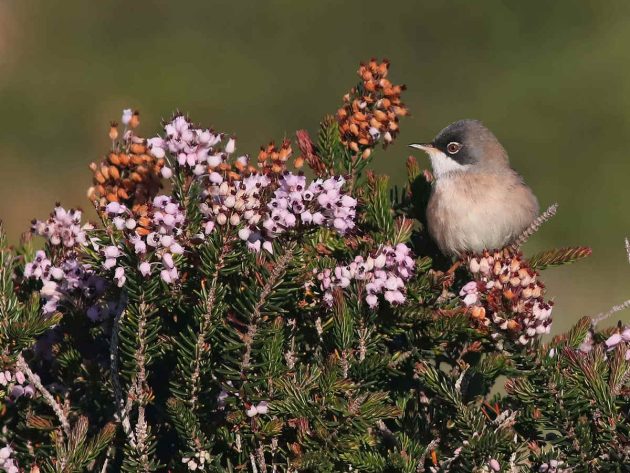
Spectacled Warbler
What are the top 5-10 birds in your region that are the most interesting for visiting birders?
The archipelago offers highly specialised Mediterranean breeding species and key flyway migrants. In systematic order, the top highlights include:
- Scopoli’s Shearwater (Calonectris diomedea) – Pelagic breeding summer visitor, peak presence from March to October.
- Yelkouan Shearwater (Puffinus yelkouan) – Vulnerable breeding visitor, primarily observed from winter through spring.
- Slender-billed Gull (Larus genei) – A localised and elegant winter visitor.
- Audouin’s Gull (Larus audouinii) – Localised regional specialist, primarily seen from August to March.
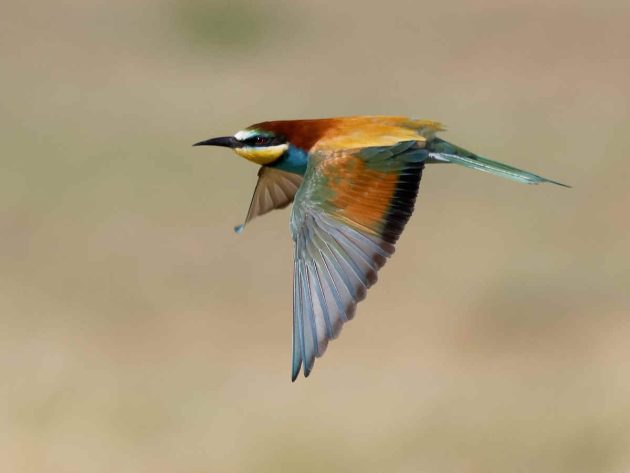
- European Bee-eater (Merops apiaster) – Vibrant, high-volume passage migrant in April and September.
- Greater Short-toed Lark (Calandrella brachydactyla) – Characteristic breeding summer visitor to our rocky garigue.
- Zitting Cisticola (Cisticola juncidis) – Distinctive and common breeding resident.
- Sardinian Warbler (Curruca melanocephala) – Widespread, hyperactive breeding resident.
- Spectacled Warbler (Curruca conspicillata) – Localised, high-quality breeding resident favouring open scrub.
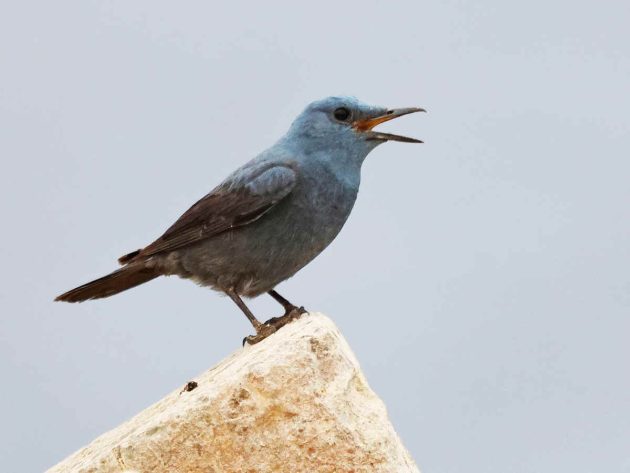
- Blue Rock-thrush (Monticola solitarius) – The National Bird of Malta; a striking, common breeding resident along our coastal cliffs.
Blue Rock-thrush
Can you outline at least one typical birdwatching trip in your area? Please briefly describe the locations, the key birds, and the approximate duration of such a trip.
A comprehensive full-day expedition typically synthesizes several distinct wetland, woodland, and coastal habitats to maximize species diversity:
- Ghadira Nature Reserve: A premier wetland habitat, exceptional for tracking migrating waders and herons during both spring and autumn passage peaks.
- Simar Nature Reserve: A secluded reedbed sanctuary, highly productive for passage herons, wintering Water Rails, and Common Kingfishers.
- Salina Nature Reserve: An expansive saltpan complex that attracts diverse shorebirds on migration, and serves as a top-tier wintering site for complex gull identification.
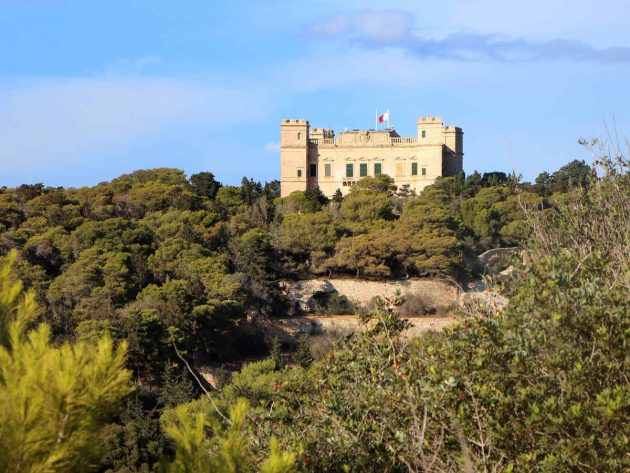
- Buskett Woodland: The absolute pinnacle location for intercepting the spectacular autumn raptor migration and flocks of European Bee-eaters, as well as excellent concentrations of passerines in the spring.
Verdala Palace in Buskett Woodland
What other suggestions can you give to birders interested in your area?
Timing is everything. If your goal is to witness the peak of the raptor and bee-eater flyway, target the second and third weeks of September. For sheer diversity, April is unparalleled – migrants arrive in pristine breeding plumage alongside our active resident species. Conversely, if you want to study complex gull plumages and age variations, the winter months offer incredible rewards.
Birding in the Maltese Islands is a profound geographical experience that requires far more than just a map. To truly unlock the potential of this complex crossroads, local expertise, scientific data, and strategic mobility are absolutely essential.
If any readers of 10,000 Birds are interested in birding with you, how can they best contact you
Interested readers can review availability and coordinate custom field itineraries directly through our secure portal at www.maltabirdingexpeditions.com. For direct administrative inquiries, I can also be reached via email at edwardbonavia@gmail.com.
European Bee-eater
Is there anything else you would like to share with the readers of 10,000 Birds?
Never stop exploring. Field ornithology is a remarkable pursuit that leads you to the rawest, most isolated corners of the map. While millions of tourists visit Malta strictly for the beaches, history, and Mediterranean culture, I want to invite visitors to look up and around – to discover the avian journeys taking place right above them.
Whether you are a lifelong lister or someone looking to transform a standard holiday into a profound, expertly guided field experience, the archipelago has incredible secrets to offer. If you want to truly unlock the potential of these islands during your stay, I invite you to reach out to us at Malta Birding Expeditions. We would be delighted to elevate your time in the field.
All photos by Aron Tanti







I have travelled to most of the major Mediterranean islands in search of birds, but have never been to Malta, mainly because it has such a bad reputation for the shooting of migrants. Good luck to Edward for encouraging birdwatching there.