

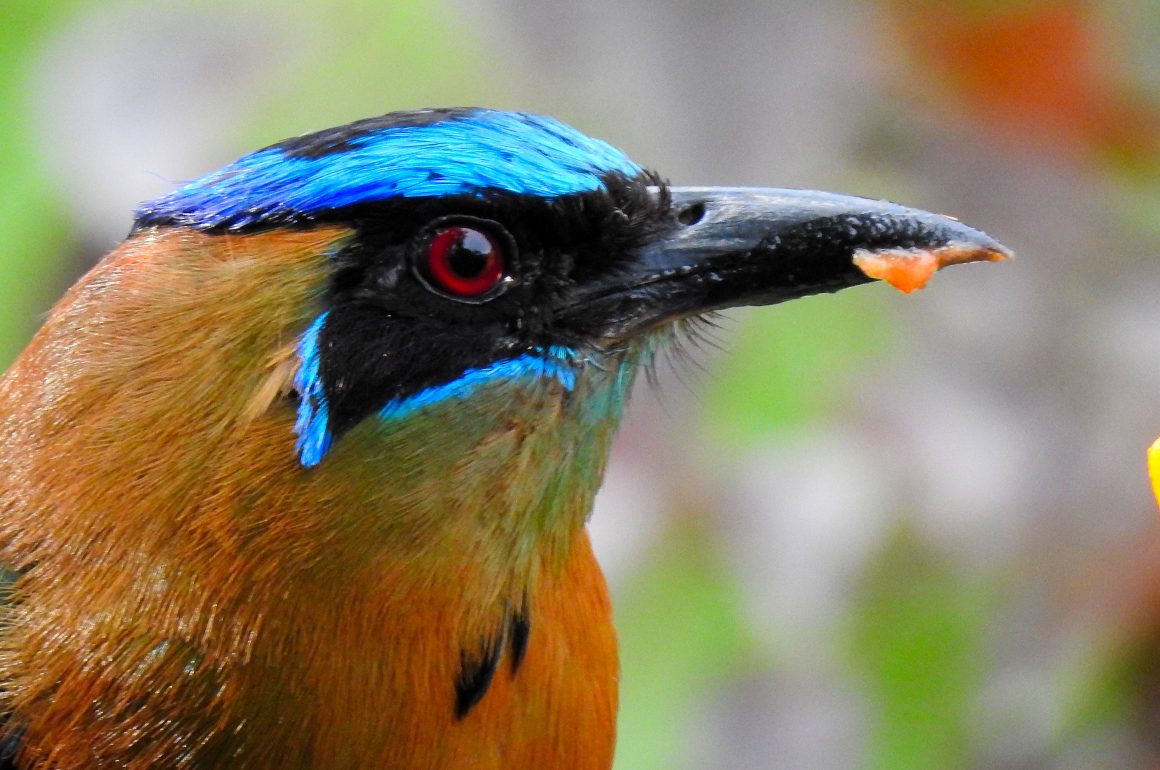
Let’s keep all the clichés well hidden in the bottom of the wardrobe. So no Pura Vida or other slogans, no Tico Time, not even a mention of the “Island of Costa Rica“. We are not going to the 51st state; we are off to Central America. We – Laura, Brad and me – have been looking forward to this trip for a long time. The trip had jumped the queue because of the US war with Iran, which made flying east very expensive so no Indonesia, China or Vietnam this year. First, we needed to do some preparation and that is what this article will be all about. A thinly disguised way to get a post out before I travel to the country, of course. You knew that, ‘cos you’re smart (unless you think it is an island we are traveling to…).
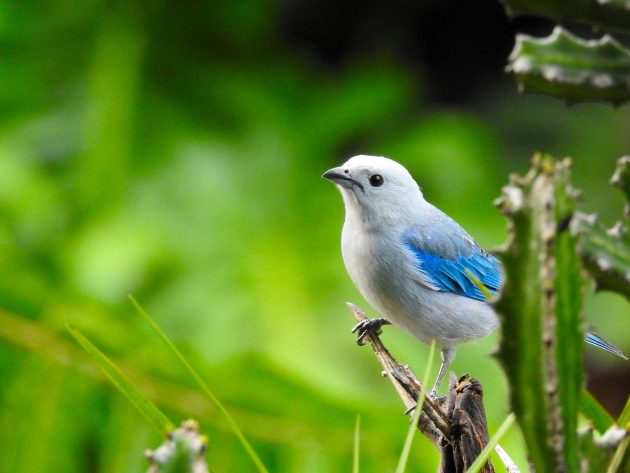
Preparation always falls into the same categories: [1] preventing imminent death, [2] ensure you go to the right places to see what you want and [3] hire guides. Not necessarily in that order. I for one do not give the highest priority to preventing imminent death, as you know. Having said that, avoiding death was easy enough and wouldn’t cost any bird sightings, so why not? Costa Rica travellers should have vaccinations for diphtheria, tetanus, polio and hepatitis A. My vaccinations cover more hepatitis letters than the woke community uses for sexual orientation labelling so no worries there, and my DTP vaccine has been updated regularly too. No malaria, no yellow fever. We would get transport (with seatbelts) to minimise the risk of death on the road. No big animals to speak of, and only the odd venomous snake. Costa Rican gun ownership at 0.1 per capita is much higher than at home (0.04), but well below the USA arsenal (1.2). Conclusion: small chance of snake bites or trampling, probably no bullets, minimised risk of road traffic accidents and covered for all likely disease. We should live.
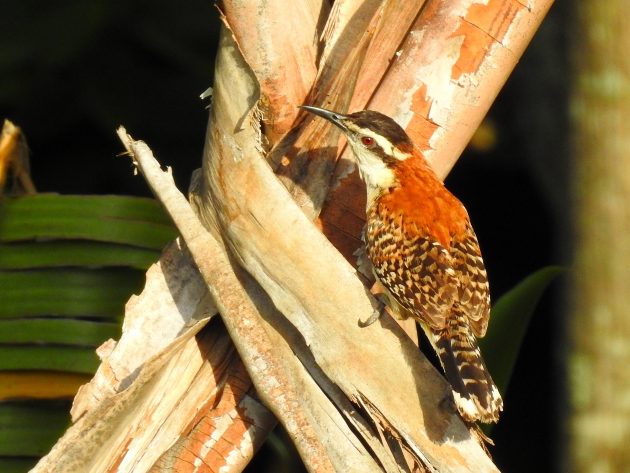
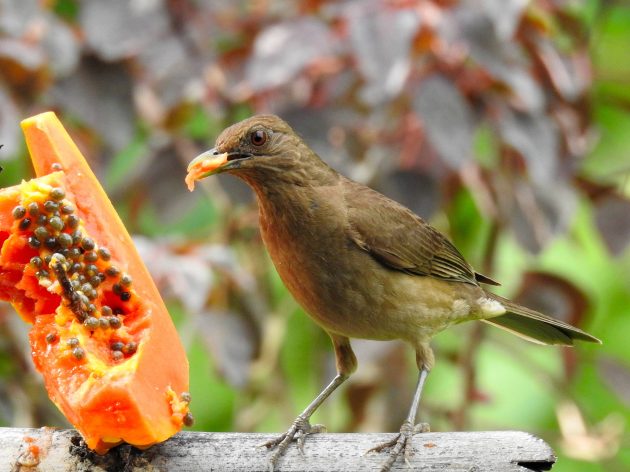
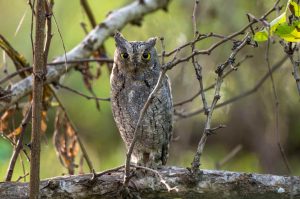
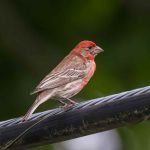
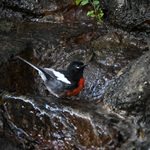
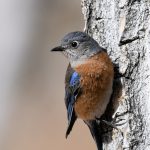
More important: the birds. Knowing the targets will be paramount because the birds determine everything else. So here we go. My preferred approach is to download the relevant checklist from Avibase and check off all the birds I have seen elsewhere. Since I was going with two other people, I asked them to do the same. A semi-clever use of the “if then else” function resulted in our target list. Even after trips to Panama, Peru, Mexico, Brazil and Colombia still a massive list of possibilities. About 40% of bird species are to be found in the Neotropics which essentially means that each region has its own set of hummingbirds, woodcreepers, flycatchers, manakins, parrots and such. As Charles Darwin has explained, every mountain or river forms an obstacle to separate populations allowing evolution to run its course. Combine with a predominantly tropical climate and biodiversity runs wild. Daydreaming of massive day lists, tropical splendour and Resplendent Quetzal, I looked out to the garden, and I saw Eurasian Jackdaws. The solumn grey and black birds provided a counter-point to my colourful thoughts. I’m sticking in a photograph of a colourful bird though; you can check here for Jackdaws if you must.
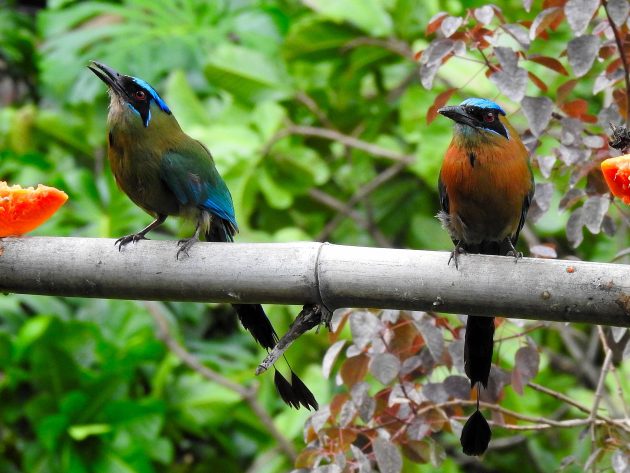
Where to see these birds? How about checking out the country profile for Costa Rica? Or the many knowledgeable posts by Patrick McDonnell? Type in “Costa Rica” in the 10000birds search function and a stream of articles will be flooding your computer. We decided to limit ourselves to Rancho Naturalista and the Poas Volcano region because we only will have one week and these places promised many target species. This approach ensured we will have knowledgeable guides, item 3 on the list. Also, despite Costa Rica being a relatively small country we did not want to spend a lot of time in transfers and travel. With all the major decisions now taken, booking the flight was rather disappointingly simple. I packed my bag with my binoculars and the essentials, got on the plane for the obligatory 12 hours of tedium and landed safely at Juan Santamaría International Airport. Checked into my hotel near the airport which I had chosen for the garden and proximity to the airport.
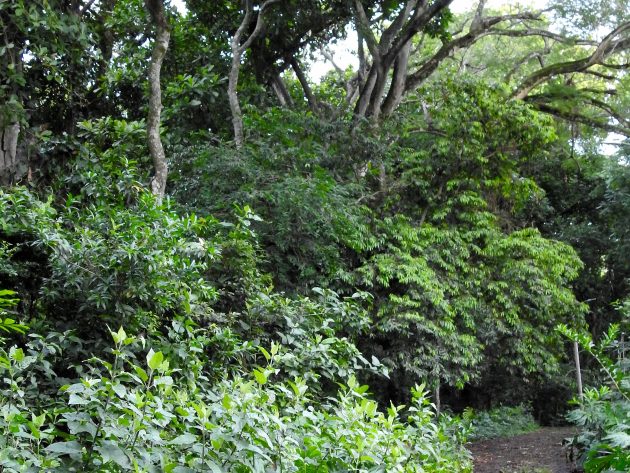
Jet-lagged induced insomnia had me wide awake for the dawn chorus. Costa Rica’s national bird was very appropriately the first on the list. Let the adventure begin!



Snakes are venomous not poisonous unless you intend on eating them raw.