

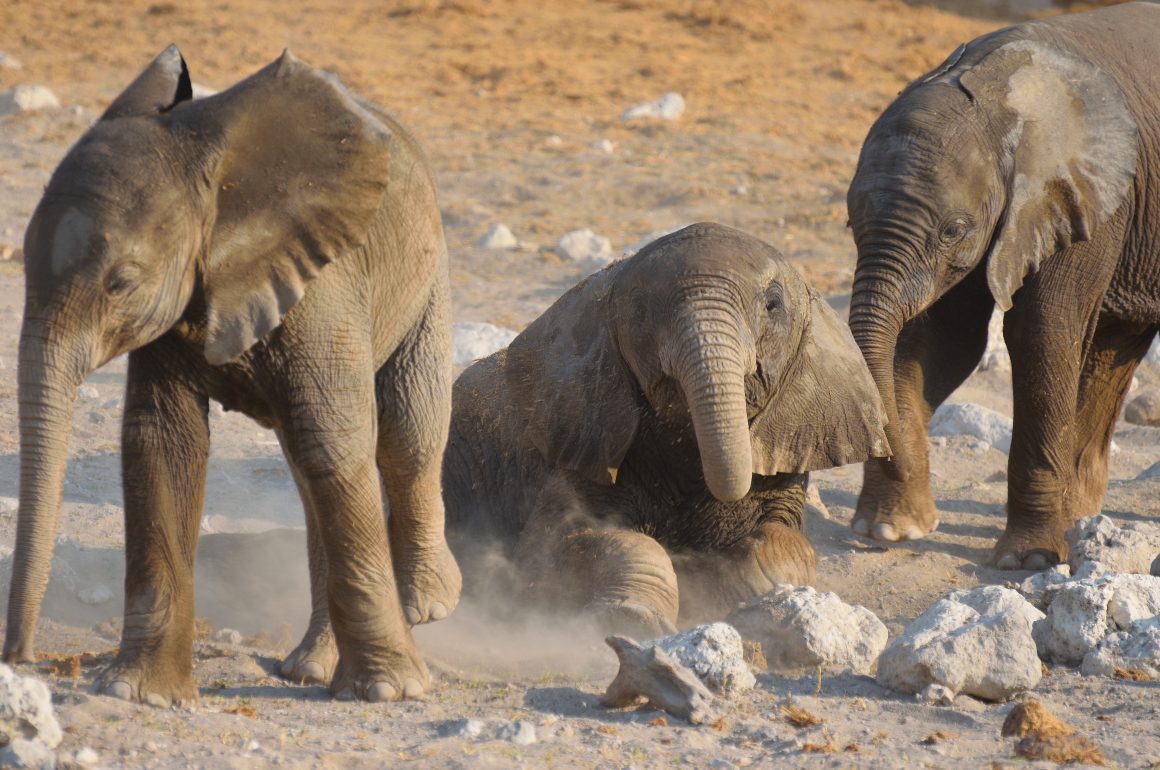
One of life’s most persistent mysteries: why do young children, boys in particular, love dinosaurs? And follow-up question: what would have been the alternative in the days before Mary Anning discovered all those fossils? Until recently we could have said “it doesn’t matter, because dinosaurs are extinct so who cares?”. However, dinosaurs did not go extinct. According to cladistics, we now must refer to dinosaurs as non-avian dinosaurs and to birds as…birds. The mystery persists. Sidenote: if you think the term “non-avian dinosaurs” is a snobbish invention to make dull people seem erudite, well, you would be right.
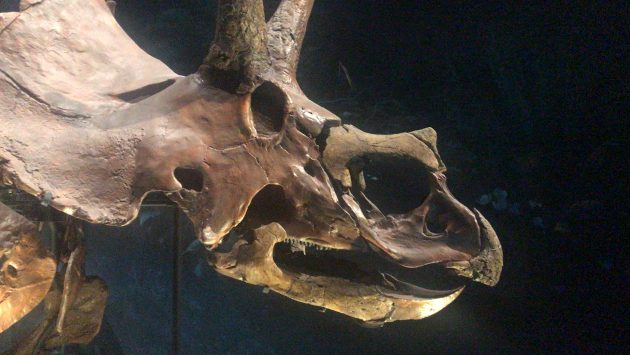
Dinosaurs are birdish, but the careful observers amongst you may have noticed the existence of real non-birds. There are more of these non-birds than you might think. Everyday objects like Ferraris, commuter trains and non-stick frying pans are non-birds, but we want to look at animate non-birds. Occasionally, they make an appearance on this website. There are three categories of non-birds that matter to birders.
Monkeys, Apes and Hominids
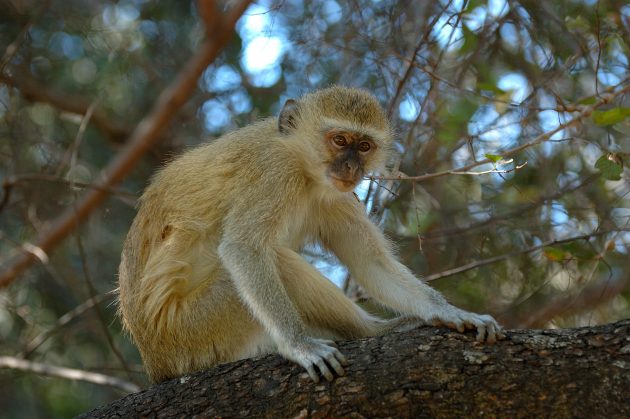
Monkeys live in trees. They look like us and are ugly (causality!). Monkeys eat both birds and their eggs, and hence will chase away the birds whenever they appear in the canopy. Apes are human-like monkeys, double whammy there on the ugliness. And there’s hominids. Only one extant species and it’s nasty. It will breathe out carcinogens in closed quarters, rob or steal your equipment, chinwag, and ask silly questions. Most of them are rather…, what’s the word? Ugly. To be avoided.
Snakes
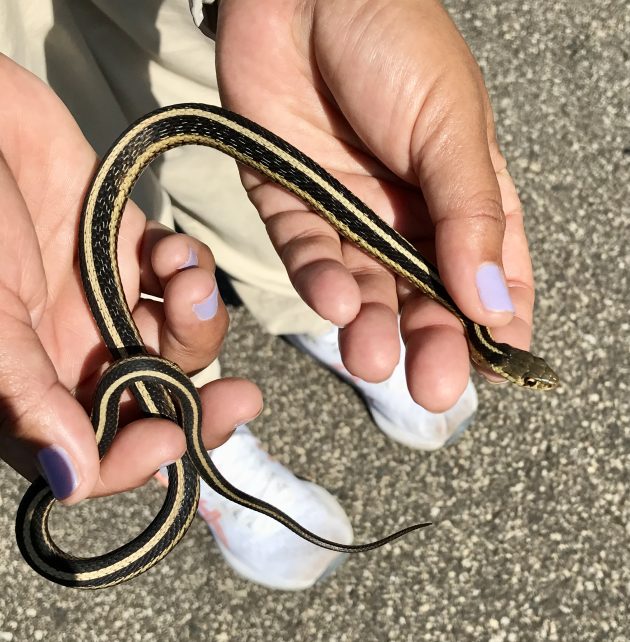
I once read good birders do not watch their steps but can always keep their eyes up to where the birds are. They walk quietly without tripping and scan the leaves without fail. I don’t recall the book’s title nor its author because the advice is nonsense. Ever heard of snakes? The most likely non-bird to come across that will kill you if trodden!
The rest
All other non-birds will maul, maim or trample you, or transmit diseases while quite a few are also ugly. It is especially important to avoid being close to fish, because if you are surrounded by fish, you are most likely drowning. This is a fatal condition for birders.
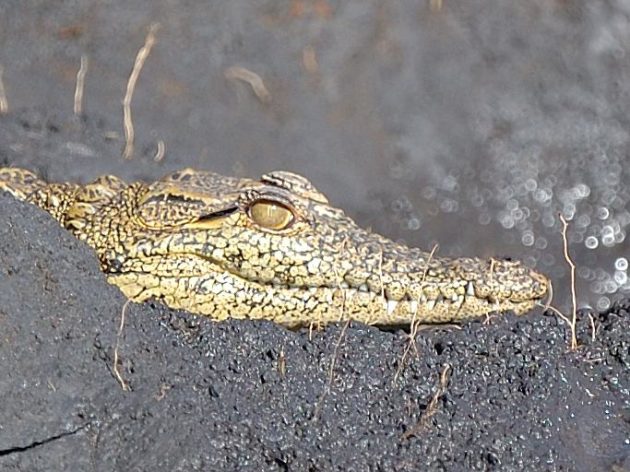
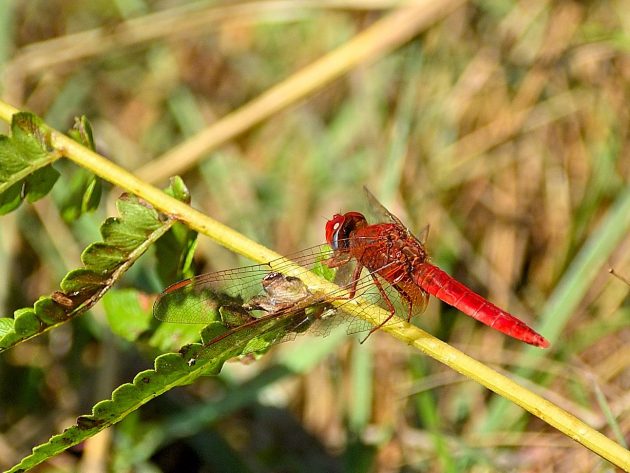
A final word of caution. People who look at non-birds are odd, dim-witted, but harmlessly so. No need to admit them to an institution of your choosing unless vast sums of money would come your way if you did. Non-bird watchers cause no grief. There is one important exception. Some bird guides will want to show you non-birds. They fancy orchids, or insects or [expletive deleted] trees. Tell these guides clearly, in easily understood language that you are most certainly not interested. Upon mentioning a non-bird their gratuity should be reduced by such an amount that by the end of the trip they will owe you the Gross National Product of a small Caribbean island-state.



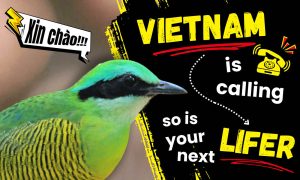
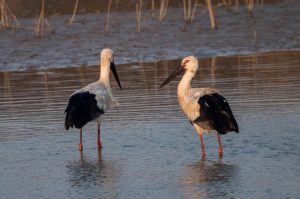

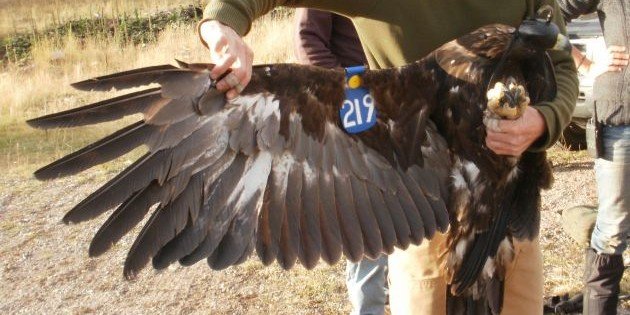

“we now must refer to dinosaurs as non-avian dinosaurs and to birds as…birds.”
All because of the furcula, among others. I tried to paste here an image of a T-rex skeleton with the furcula, but, alas, the system would not allow it. But you can see an image at this website: https://www.theguardian.com/science/2016/mar/11/the-fabulous-flight-facilitating-furcula-dinosaur-origins-birds-evolution
And if you are really into furculas, you can buy a resin copy of a T-rex furcula at this website for $30 dollars U.S.: https://www.prehistoricstore.com/product/tyrannosaurus-rex-furcula-wishbone-747/131 It is slightly bigger than a typical bird’s furcula. The T-rex one measures about 15 inches around its curve.
James, I bet those Neanderthals were feasting on T-rex at Thugsgiving! 😉
I feel rather attacked by that last paragraph. Non-birds are a fantastic way to pass the time between birds!
Faraaz: if the shoe fits… and what do you mean “time between birds”? 😀