

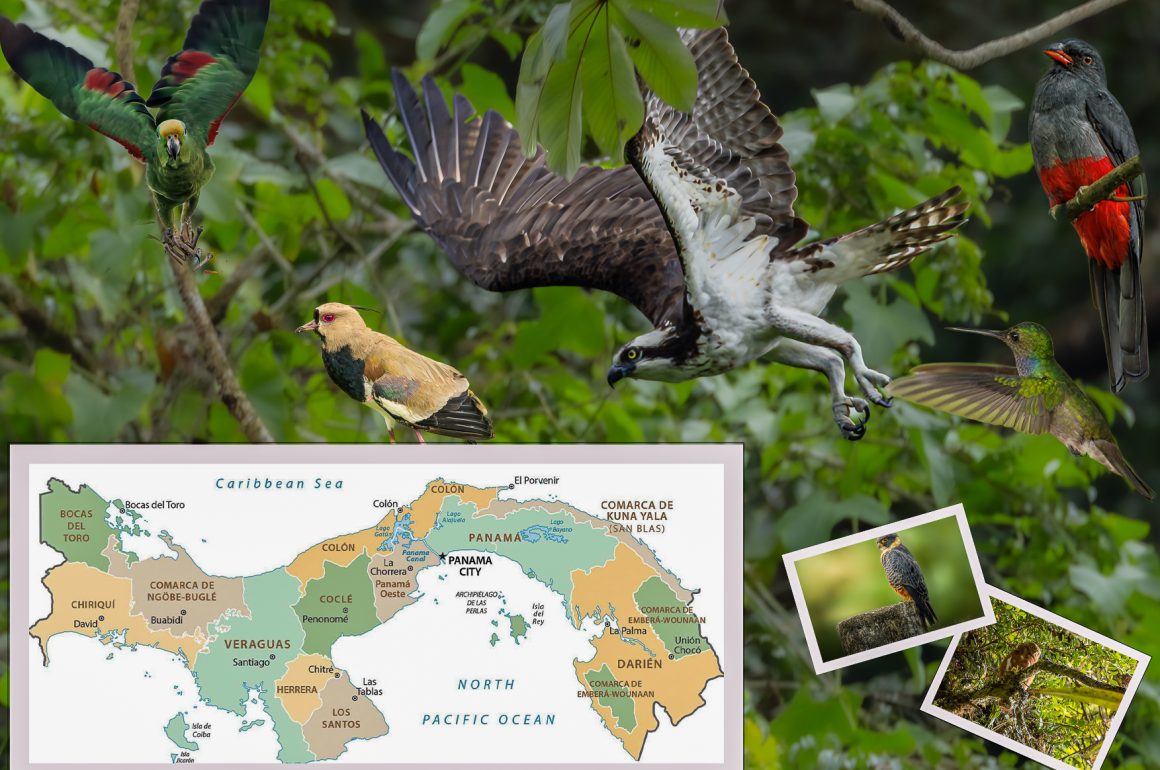
Panama is small. Blink-and-you-miss-it small.
And yet, somehow, it manages to punch far above its weight in birds.
I’ve often joked that Panama feels like a place where continents, oceans, and bird families all decided to meet for coffee and never quite left. North meets South, Pacific meets Caribbean, skyscrapers meet rainforest, and, crucially for us birders, over 1,000 bird species meet within a country you can cross in a few hours by car (traffic and coffee /pit stops permitting).
If you’ve ever wondered how one country can offer city parks with Trogons, foothills with Hummingbirds, islands with endemics, and migration spectacles within a single morning… You are not alone!
Highlights
- Over 1,000 recorded bird species
- Exceptional mix of North and South American lineages
- World-class birding within Panama City itself
- Easy access to rainforest, cloud forest, wetlands, and islands
- One of the best countries anywhere for urban birding
Panama is the rare place where its possible to photograph a motmot before breakfast, a raptor migration by lunch, and shorebirds at sunset, sometimes without ever leaving the city.
Key Bird Species and Families
Panama’s magic lies in its overlap. This is where bird families from two continents collide politely and decide to coexist.
Trogons and Quetzals – Forest Royalty
Family: Trogonidae
Few birds stop birders in their tracks quite like a Trogon. Often motionless, perched quietly in the forest, they feel almost unreal when you finally spot them.
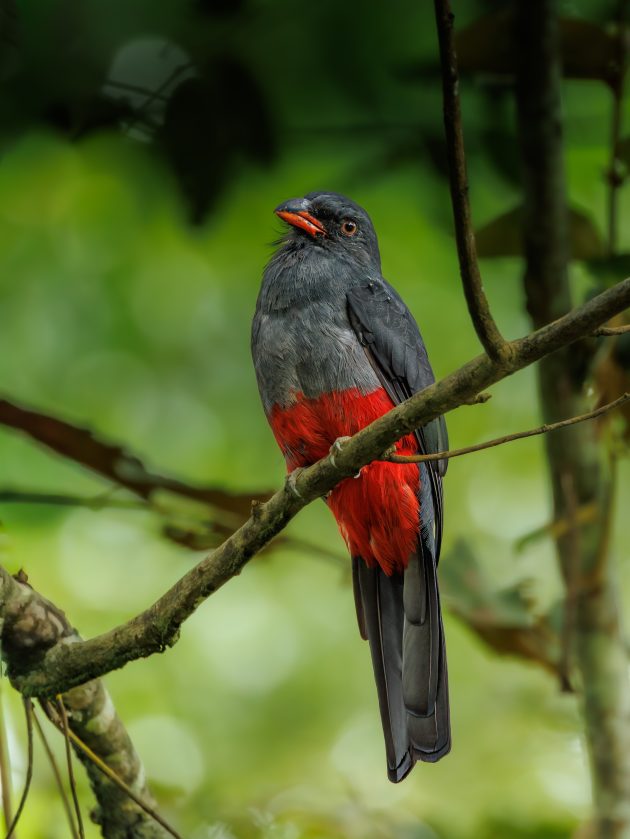
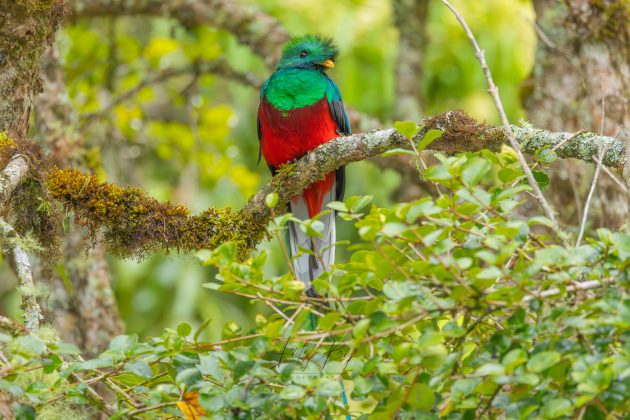
In Panamá, the Slaty-tailed Trogon is a rainforest favorite, especially in lowland forests. The cooler highlands, places like Boquete and Cerro Punta offer chances to see the legendary Resplendent Quetzal, a member of the trogon family and a bird that feels as much myth as reality.
Trogons are closely tied to fruiting trees and healthy forests, making them excellent indicators of intact habitat, and a reward for patience.
Parrots and Macaws – The Voice of the Canopy
Family: Psittacidae
If you hear loud, excited calls overhead, chances are parrots are nearby. Panamá’s forests and open areas are alive with these intelligent, social birds.
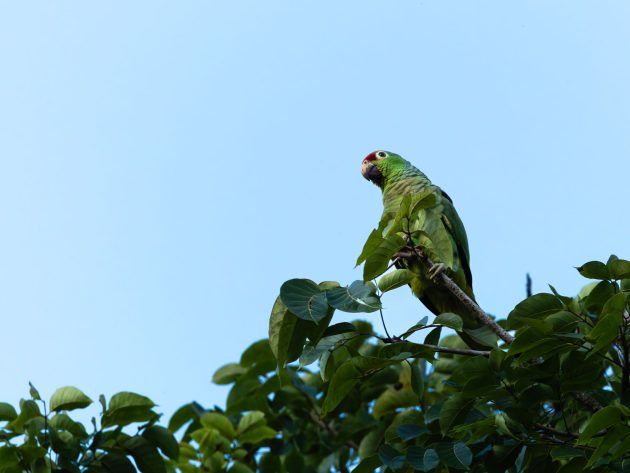
Species such as the Red-lore Parrot, Mealy Amazon, and Yellow-crowned Amazon are regularly seen and heard. In eastern Panamá and select reintroduction areas, the Scarlet Macaw adds flashes of red, yellow, and blue to the sky.
Beyond their beauty, parrots play a vital role as seed dispersers, and their presence often defines the atmosphere of a place long before you see them.

Hummingbirds – Small Birds, Big Energy
Family: Trochilidae
With more than 60 species recorded, hummingbirds are one of Panamá’s most exciting bird families. They occur everywhere, from sea level gardens to cloud forests.
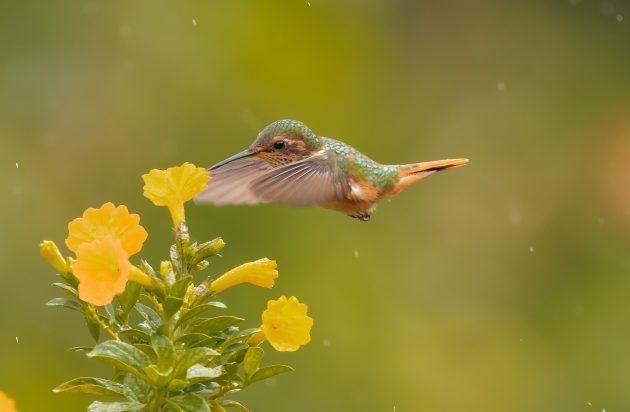
The Rufous-tailed Hummingbird is the undisputed champion of adaptability, found in cities, gardens, and forest edges. Other favorites include the White-necked Jacobin, Violet-crowned Woodnymph, and the striking Snowy-bellied Hummingbird.
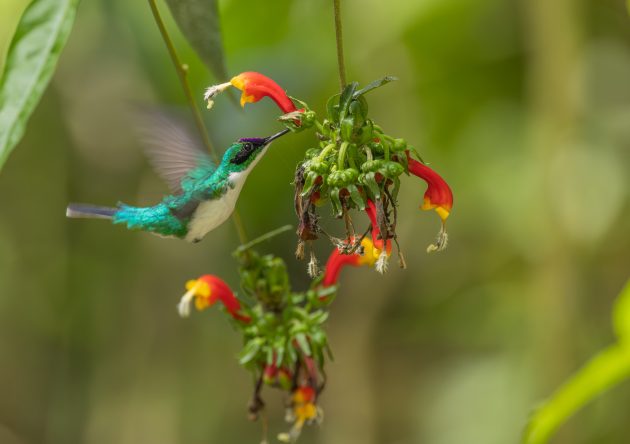
They are essential pollinators, endlessly entertaining to watch, and a constant challenge for photographers.
Tanagers, Euphonias, and Honeycreepers – Color Everywhere
Family: Thraupidae
If Panamá had a “signature” bird family, this might be it. Tanagers bring color to every habitat imaginable. There are around 26 species of Tanagers and closely related Thraupidae members recorded in Panama.
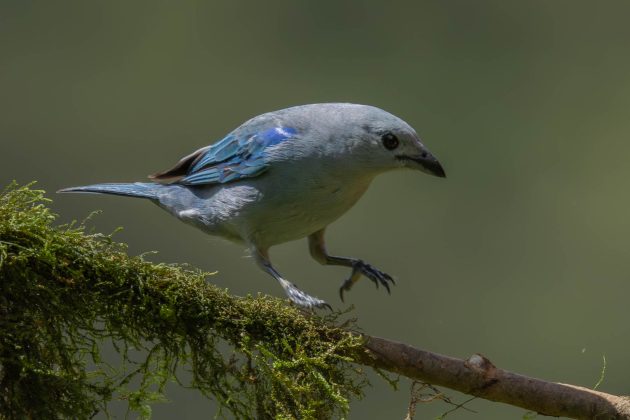
The Blue-gray Tanager is one of the most common birds in the country, while species like the Bay-headed Tanager, Summer Tanager (in the highlands), and Honeycreepers add bursts of brilliance to forest edges and gardens.
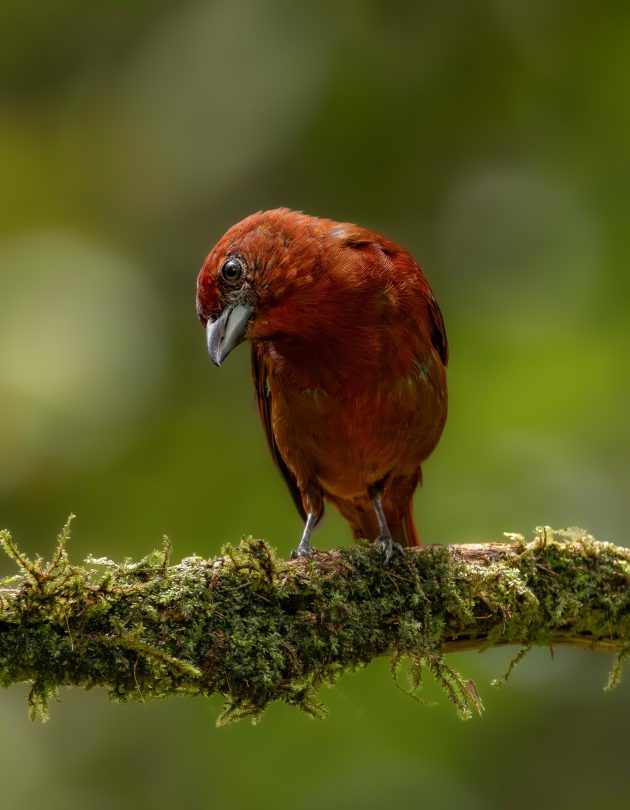
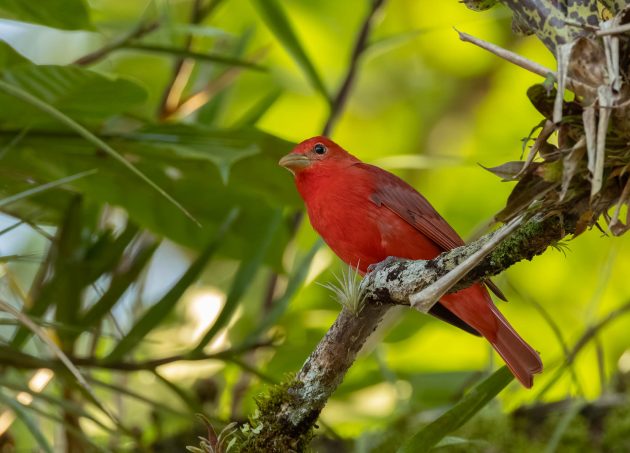
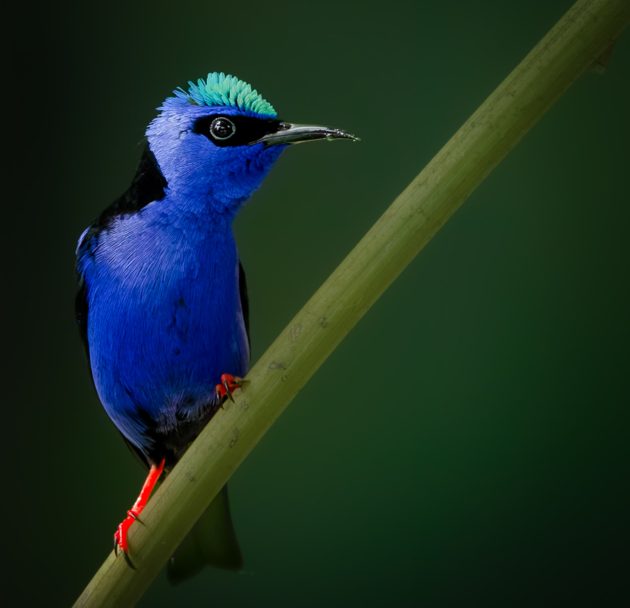
They’re often the birds that convince people to pick up binoculars for the first time.
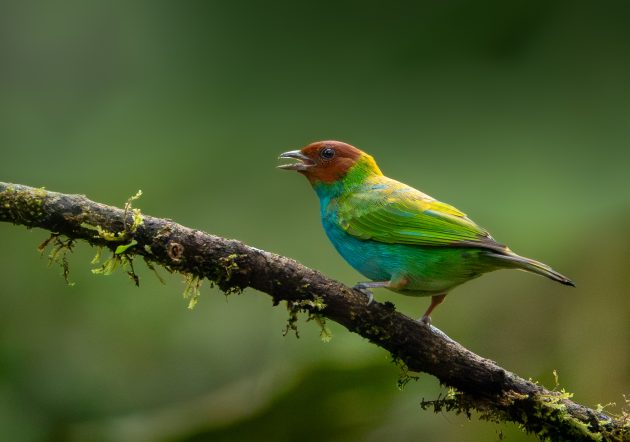
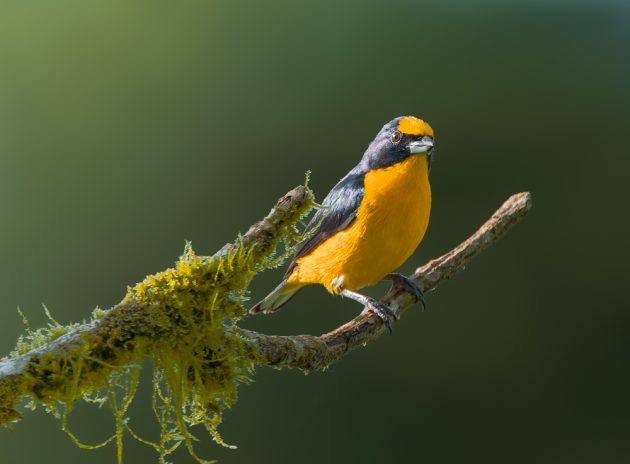
Wrens – The Soundtrack of the Tropics
Family: Troglodytidae
You may not always see wrens, but you will almost certainly hear them. These small birds deliver some of the loudest and most complex songs in the forest. Wrens are one of my favourite, you can read more on what I have to say about that here.
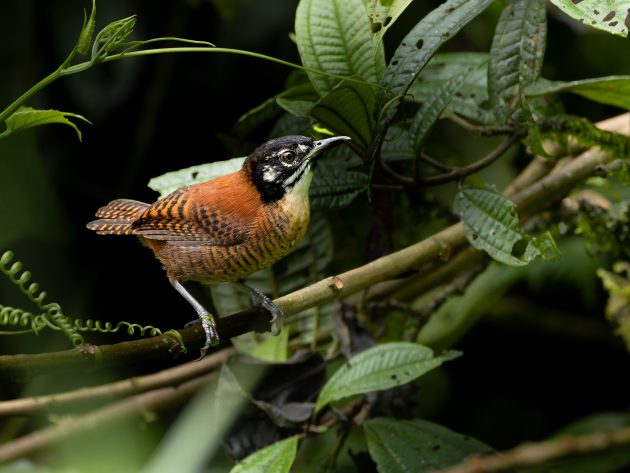
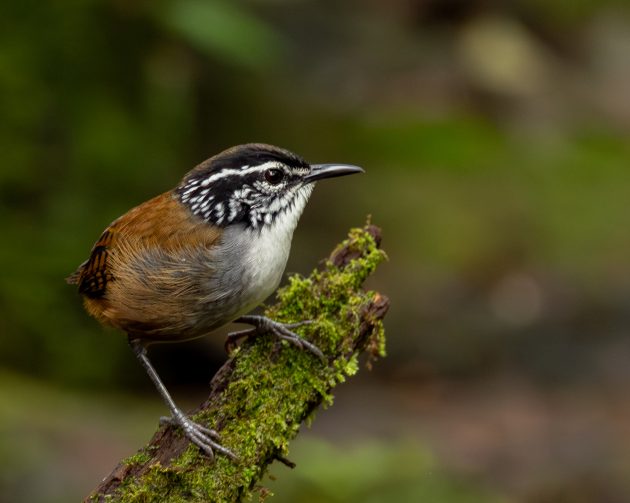
The House Wren thrives in urban areas, while the Bay Wren, Song Wren, and White-breasted Wren dominate different habitats across the country.
From dawn to dusk, wrens provide a constant reminder that Panamá’s forests are very much alive.
Raptors – Power and Precision
Families: Accipitridae & Falconidae
Panamá is both a migration corridor and a stronghold for resident raptors.
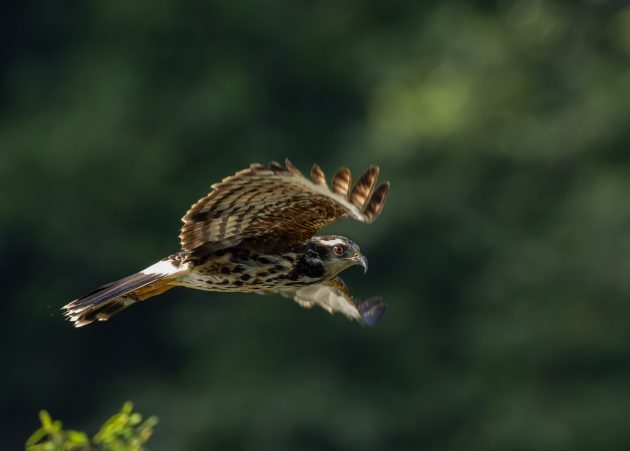
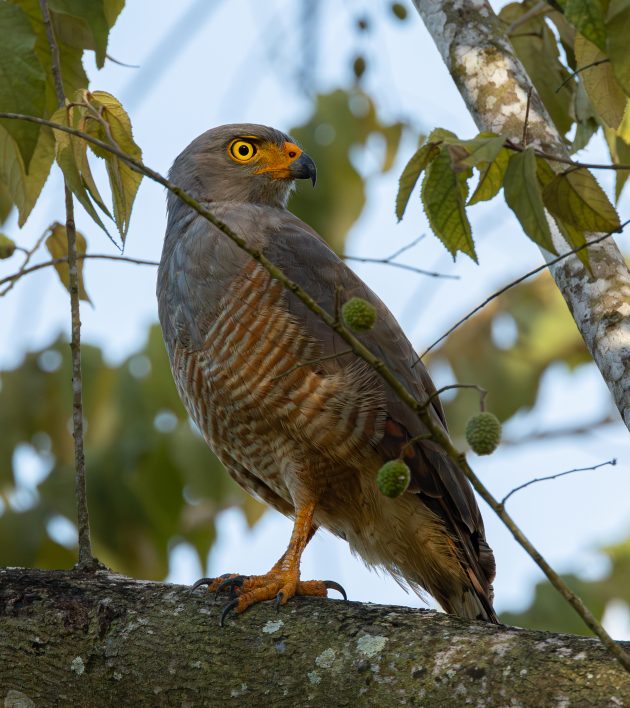
The Harpy Eagle, Panamá’s national bird, represents the ultimate rainforest predator. More commonly seen species include the Roadside Hawk, Bat Falcon, and Laughing Falcon.
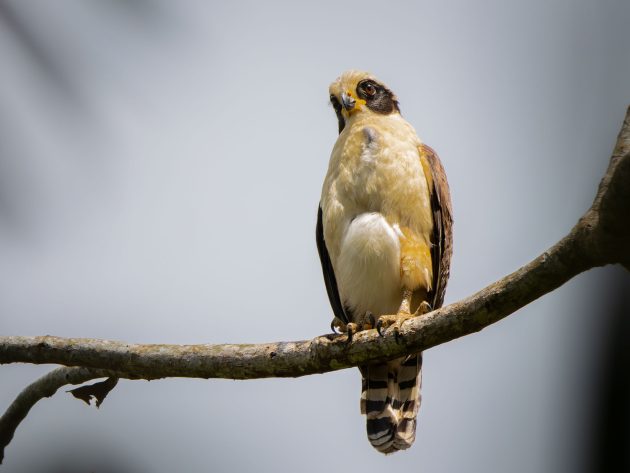
Raptors sit at the top of the food chain, and seeing them regularly is a sign of a healthy ecosystem.
Wading Birds and Shorebirds – Life Along the Water
Families: Ardeidae, Scolopacidae, Charadriidae
Coasts, mangroves, wetlands, and even urban shorelines are home to an impressive variety of waterbirds.
Species like the Great Egret, Little Blue Heron, and Black-crowned Night Heron are year-round residents, while migrants such as Willets ,Sandpipers and Plovers connect Panamá to breeding grounds thousands of kilometers away. Panama City has a healthy population of Brown Pelicans and Cormorants.
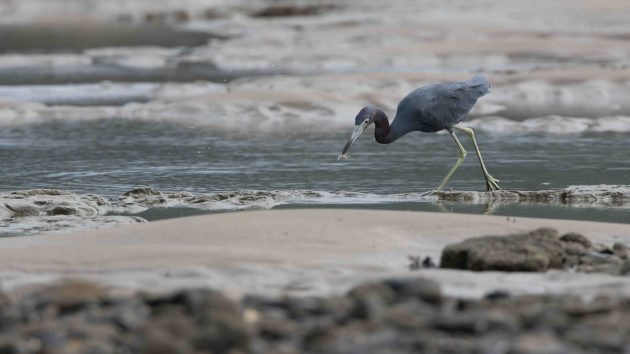
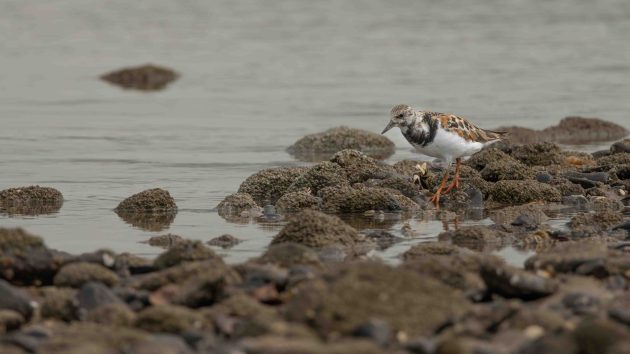
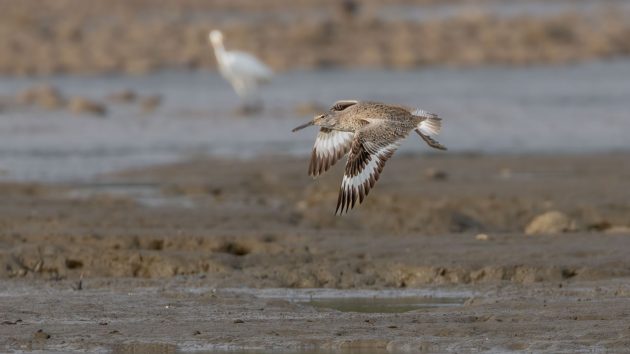
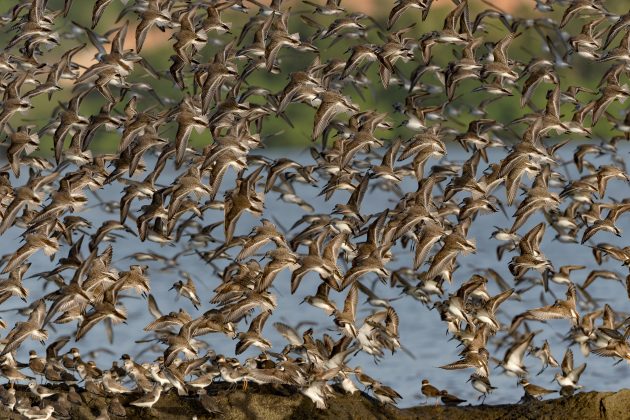
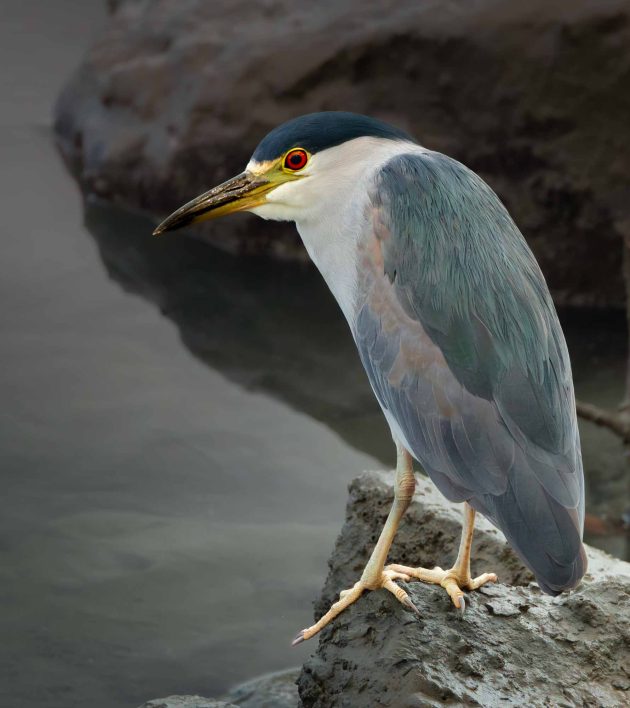
These birds are especially visible in places where land meets water, and often surprisingly close to city life.
Flycatchers – Masters of the Perch
Family: Tyrannidae
Flycatchers are everywhere in Panamá and are among the easiest birds to observe once you learn their habits.
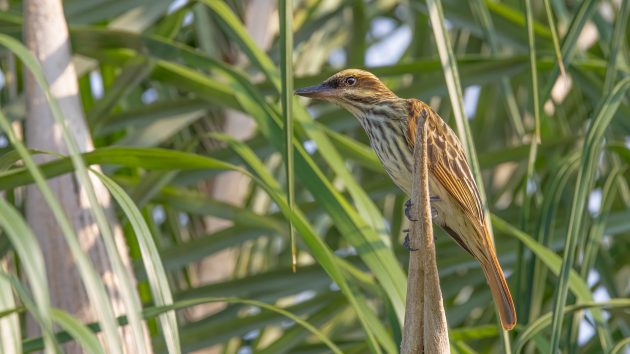
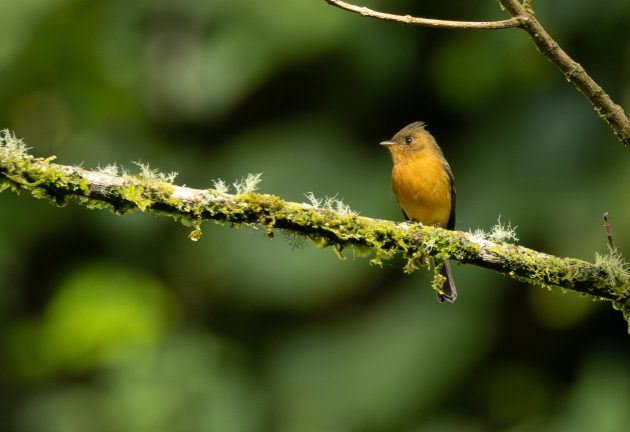
The bold Great Kiskadee, elegant Tropical Kingbird, and social Social Flycatcher dominate open areas, while species like the Yellowish Flycatcher are more at home in cooler highland forests.
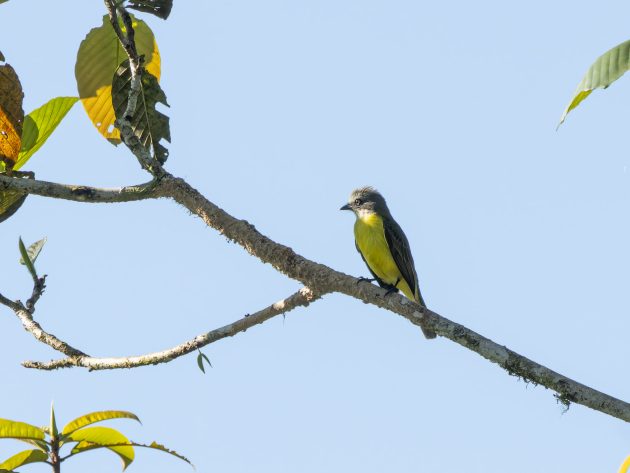
Their sit-and-wait hunting style makes them perfect subjects for learning bird behaviour.
Best Regions for Birding
The joy here is not choosing where to bird, it’s choosing which incredible option today.
A quick tour, birding-style:
- Panamá Province – Urban birding royalty: Metropolitan Natural Park, Parque Omar, Panama Bay, Cerro Ancón, plus foothill birding at Cerro Azul
- Canal Zone (Panamá & Colón) – Soberanía National Park, Pipeline Road, Summit, Gamboa — legendary for good reason
- Coclé – El Valle de Antón brings hummingbirds and mixed flocks with mountain breezes
- Veraguas – Mainland forest birding and the jewel: Coiba Island National Park
- Chiriquí – Highlands, cloud forest, and coffee-with-quetzals territory
- Bocas del Toro – Islands, mangroves, and Caribbean specialties
- Azuero Peninsula (Herrera & Los Santos) – Dry forest remnants and coastal migration
- Darién – Remote, rich, and unforgettable for those who venture there
- Guna Yala & Comarcas – Coastal, island, and forest birding with cultural depth
Best Birding Season
The short answer? There really isn’t a bad one.
That said:
- December to April – Dry season, easier logistics, excellent birding
- September to November – Peak raptor migration over Panama City
- Rainy season (May–November) – Lush forests, active birds, dramatic skies (and yes, mud)
Migration adds spice, but even resident birds alone make Panama worth the trip at any time.
Birding Trip Suggestions
One of Panama’s greatest strengths as a birding destination is how little effort it takes to move between habitats. Lowlands, foothills, cloud forest, coast, and city parks can all be combined into efficient, rewarding trips. Here are a few tried-and-true ways to structure a visit.
1. Urban Base, Maximum Birds
Stay in Panama City and bird:
- Metropolitan Natural Park
- Parque Omar
- Cinta Costera / Panama Bay
- Gamboa & Summit area
- Cerro Azul
This is often the biggest surprise for first-time visitors. From a city hotel, you can reach mature forest, wetlands, and coastal mudflats in under an hour. Despite the urban setting, much of this birding feels anything but urban, with antbirds, trogons, manakins, raptors, and shorebirds all possible on the same day.
This option works especially well for short trips, photography-focused visits, or travellers who prefer minimal transfers.
2. Canal Zone
Accessible from Panama City, great for day trips.
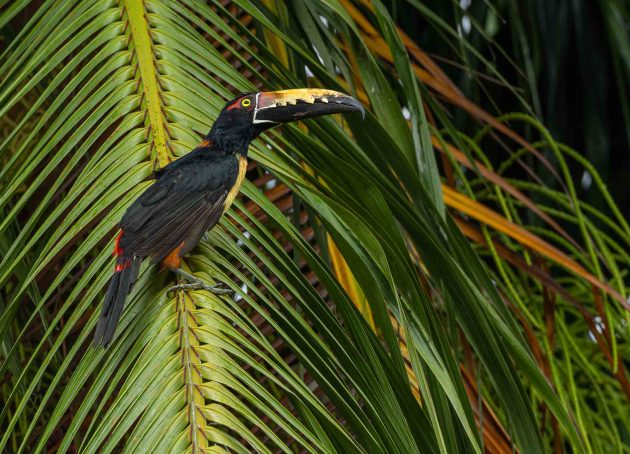
The Canal Zone is one of Panama’s most important birding regions, offering exceptional diversity in lowland rainforest, wetlands, and forest edge habitats within a compact area.
- Pipeline Road – Flagship lowland rainforest site and one of the most famous birding roads in the Neotropics
- Discovery Center – Canopy-level birding with fruiting trees and raptor migration views
- Summit Ponds – Consistent wetland birding in an easy, accessible setting
- Summit Rainforest Trail – Quiet forest trail with solid lowland species diversity
- Gamboa – Forest edges, nearby trails, and a convenient base for Canal Zone birding
- Ammo Dump Ponds – One of the most productive freshwater wetland sites in the region
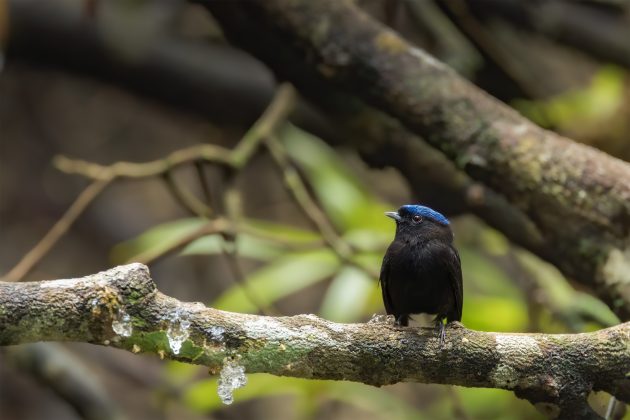
This combination provides excellent species turnover without long travel days and is one of the most efficient ways to experience Panama’s diversity.
3. Highlands and Cloud Forest
Base yourself in Boquete and bird the Talamanca area: Requires a 7 hr drive or 45mins flight from Panama City.
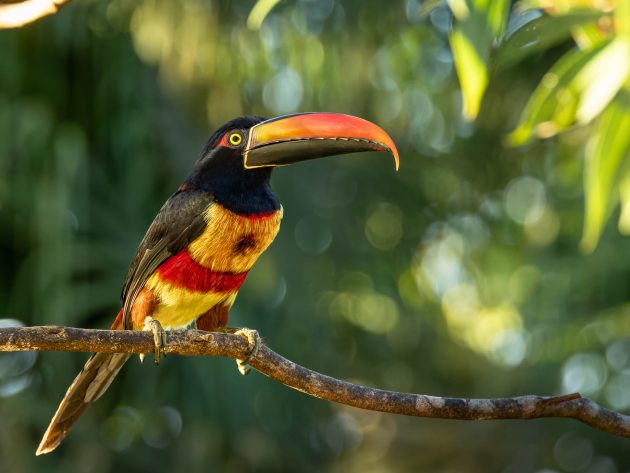
- Volcán Barú area
- Finca Lérida
- Los Quetzales Trail
- Parque Internacional La Amistad (Panamá side)
This is Panama’s cool-weather birding stronghold. Cloud forest species, highland endemics, and some of the country’s most sought-after birds are found here. Many lodges offer excellent on-site birding, making this a comfortable and productive base even for slower-paced trips.
For photographers, feeders and open forest edges provide consistent opportunities, though weather can change quickly. You need no less than two or 3 days.
El Valle de Anton is also good for a couple of day and just two and a half hrs drive from Panama City.
4. Caribbean Lowlands
Explore the Caribbean slope around:
- San Lorenzo Fort
- Achiote Road
- Portobelo
The Caribbean side feels different, quieter, greener, and often less visited. Bird communities shift subtly, and some species are easier to find here than on the Pacific slope. Roadside birding can be excellent, and the mix of forest, river edges, and coastal habitats adds variety.
This region pairs well with the Canal Zone or as an alternative route when weather patterns differ across the isthmus.
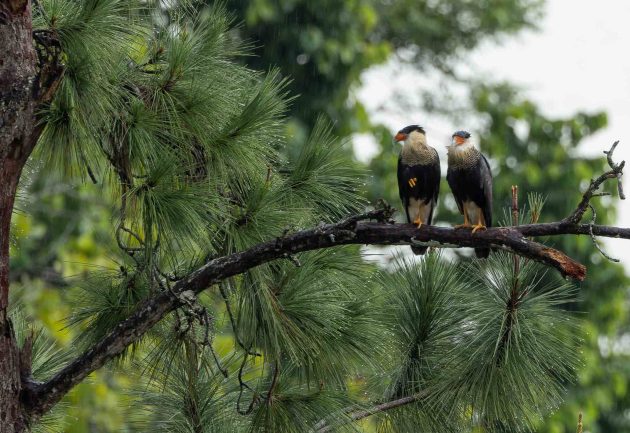
Panama rewards smart planning more than endurance. By stacking habitats rather than chasing distance, it’s entirely possible to see an extraordinary range of species while keeping travel simple and enjoyable. Guides will generally pick you up at your hotel and drop you back after the tour.
Practical Tips
- Get a Local Guide — Panama’s diversity can be overwhelming in the best way
- Start early — birds and heat both wake up fast
- Urban birding is real birding — don’t skip it
- Rain gear is birding gear in Panamá — especially in the wet season (it rains in the dry season also)
- Binoculars and camera both matter — you’ll want records and memories
- Bug spray or cream – This is a tropical country, there will be mosquitoes etc at times. Be prepared
- Sun Cream – It gets hot here fast, we are close to the Equator, you will get sunburn if not prepared
- Uber and other ride share companies are safe, reasonably priced and can be found in most places if you don`t intend to rent a car.
- Bottle Of water – Panamá gets hot and humid fast, be sure to rehydrate often
Books
Highly recommended:
- The Birds of Panama — Angehr & Dean
- Birds of Central America — Garrigues & Dean
- Regional site guides for Canal Zone and highlands
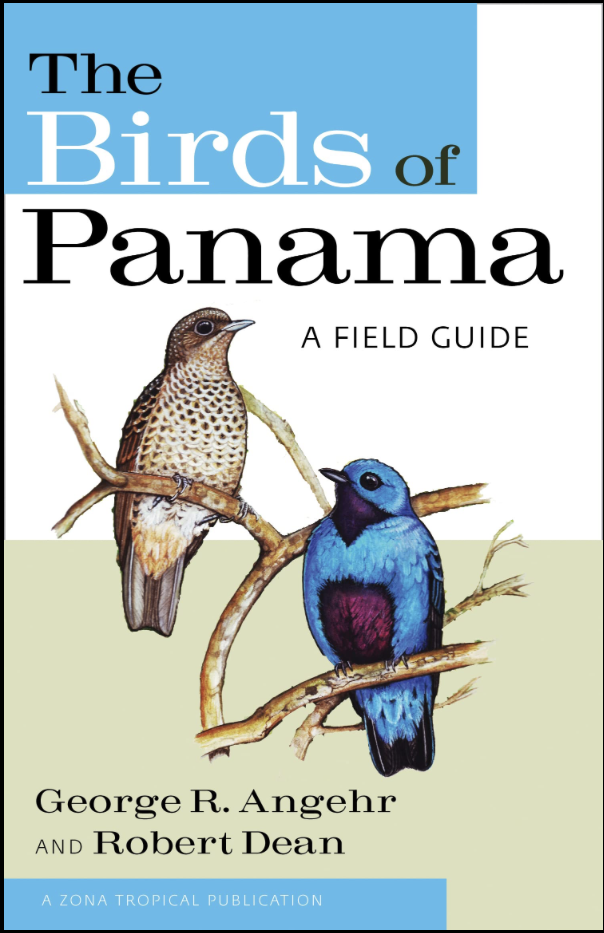
If you bring only one book, make it Angehr & Dean.
Links
eBird Panama – sightings & hotspots
https://ebird.org/region/PA
https://ebird.org/region/PA/hotspots
The best source for recent sightings, seasonal movements, and discovering both classic and lesser-known birding sites across Panama.
Smithsonian Tropical Research Institute (STRI) – ecology & research
https://stri.si.edu
A window into Panama’s forests, ecosystems, and long-term biological research, providing valuable context for the birds you see.
Local guiding services – highly recommended
https://www.audubonpanama.org
Local guides can greatly improve species counts and access, especially in the Canal Zone, highlands, and more remote regions.
Panama doesn’t just offer birding, it offers choice.
Choice between continents.
Choice between city and forest.
Choice between islands, mountains, wetlands, and coffee breaks.
And sometimes, the hardest decision isn’t where to go, it’s when to stop.
By Fitzroy Rampersad
Fitzroy is a regular contributor to 10,000 Birds and spends an unreasonable amount of time birding in places most people assume are “just cities.”







This is the best thing I have yet to read on birding in Panama. So informative, yet concise and to the point. Fantastic and wonderfully done! Extremely helpful and a must have for anyone considering a trip to this beautiful country.
Super detailed article with stunning photos to boot! The Fiery-billed Aracari is out of this world!
Red-legged Honeycreeper, what a picture! Never disappoints. Panamá sits firmly in my top 10 and I only spent a werk there. It’s the “bomb” for birding.
I have a piece due on my favorite birding destination. It was going to be Panama but Fitz Rampersad has stolen any thunder I may have been able to offer. And it’s a good thing. I could never have written such an excellent, and 100% accurate, piece such as this. To that end I agree with the other commenters. I guess the one additional thing I might add is that in Panama (I’ve been twice), one of my all time favorite guides (I have a few) was Domi Alveo. Domi, if you are still guiding in Panama, batten down the hatches. Birders are coming! Well, even more birders are coming.
Cathy, I am so sorry for stealing your thunder. Panama was an obvious choice for me since I live here and get to experience the birding firsthand. If I had known you were planning a Panamá post as well, we could have done a combined piece, that would have been a lot of fun. Happy you can confirm the accuracy of the piece.
Peter, I remember clearly the evening I took that photo of the Red-legged Honeycreeper, was at a small lodge along the Chagres River and jut outside our rented cottage. They are truly spectacular in the right light.
Brian, The Fiery-billed Aracari is one of those birds that feels almost unreal every time you see it. That one was photographed in Chiriqui earlier this year. I’m glad the details and photos came through and added to the experience.
Mary, Thank you so much for the kind words. I am pleased that you found the piece informative while being concise. I had a lot of fun researching and writing this particular post.
Panama is truly a great place for birding , I still have a lot of places within the country to bird.
Fitzroy, please! Never worry about stealing my thunder! What thunder? I could never have written such an amazing post. I don’t even have the computer skills to write what you wrote. The one thing I can say for sure is that I agree 100% with what you wrote.