

Highlights
China is a country with a large number of bird species. About 1450, to be exact, though only about 50-60 are endemic to China. That puts China somewhere in the top ten of countries by species number, and probably at number 2 after Indonesia outside of South America. Anyway, what does this mean for birders – should they come to China? Particularly as visiting China has become easier for tourists from many countries, as they now enter visa-free for shorter stays.
Apart from just the number of species and endemics, China is also at the core distribution area of several exciting bird families – more on which below. Given its vast area, China has a huge variety of habitats, climates, and thus a high diversity of birds. Furthermore, the infrastructure for birders is developing rapidly as the Chinese themselves turn to bird watching and particularly to bird photography (bird hides).
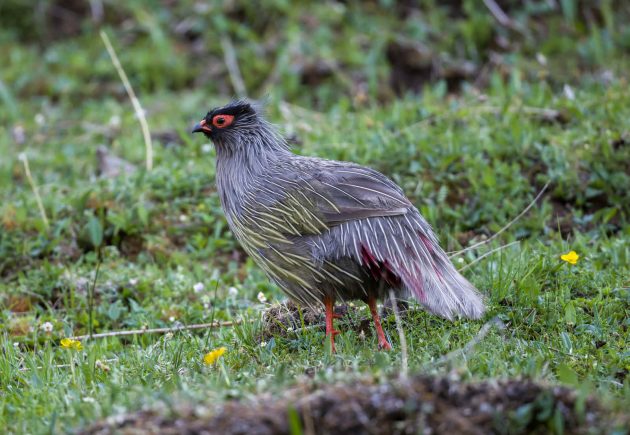
Blood Pheasant (Sichuan)
Key Bird Species and Families
- Spoon-billed Sandpiper: A small sandpiper with a spoon as a beak, possibly the cutest critically endangered bird species in the world
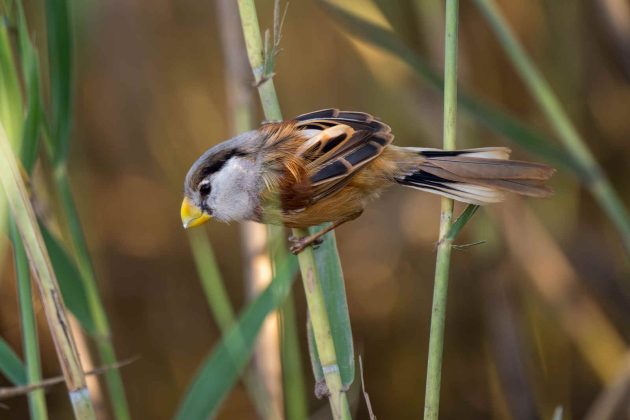
- Parrotbills: Like pandas, they mostly thrive on bamboo, are small, social, big-headed, and charming. China has the most species, many found only here.
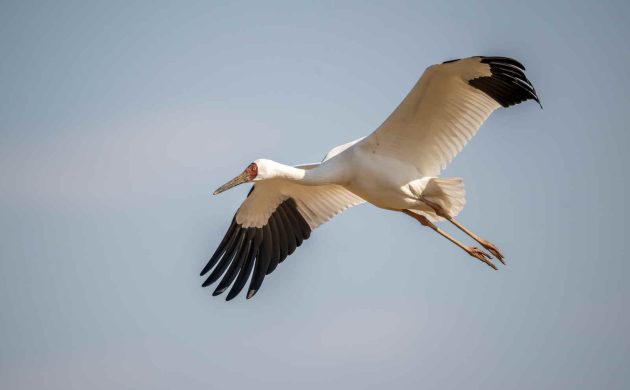
- Cranes: China is a key location for several species, including Hooded and Siberian Cranes. They look elegant to the point of being obnoxious.
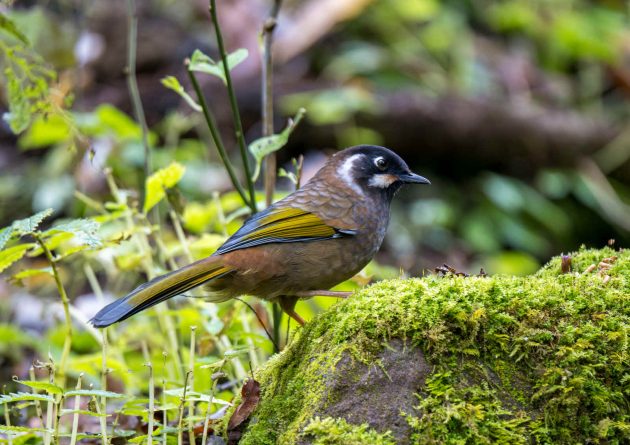
- Laughingthrushes: They are everywhere in China’s mountains, especially in Yunnan, Sichuan, and Hainan. Many, like Biet’s Laughingtrush, are endemic and difficult to see outside of designated bird hides. They seem to generally distrust their ability to fly, preferring to hop on the ground.
- Pheasants: China is home to many species that ChatGPT would probably call “iconic” – some like the Blue Eared-Pheasant and Elliot’s Pheasants are endemics.
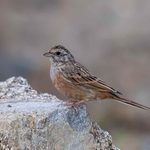
- Rosefinches: Pretty, colorful, not too big, and many species – what’s not to like?
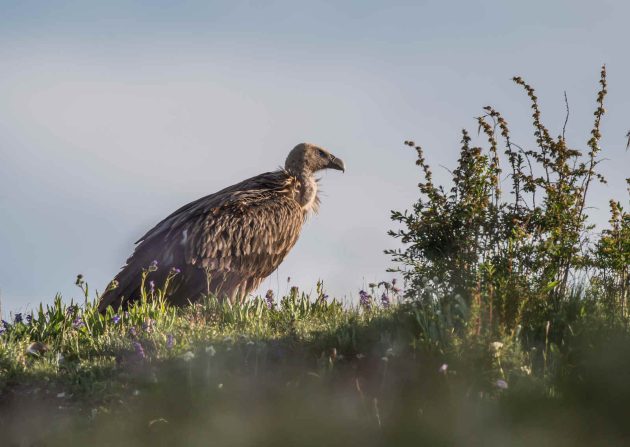
- Montane Raptors: China has a rich mix of resident and migratory raptors. Some species, like Himalayan Vultures, are easier to see here than anywhere else.
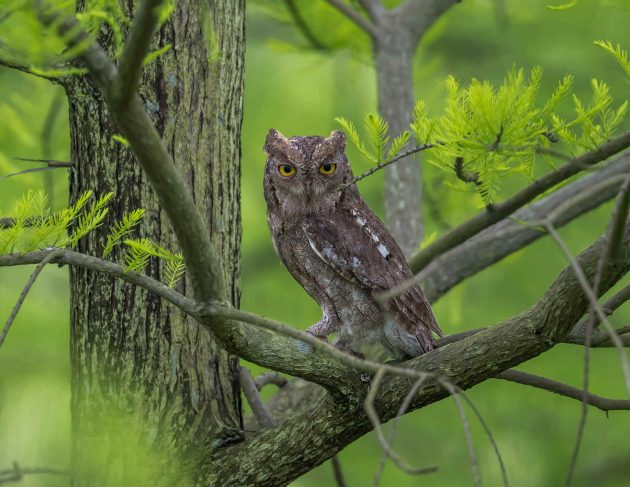
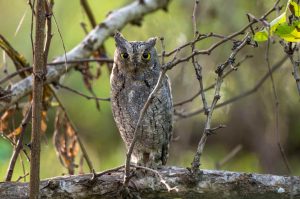
- Owls: As these are personal favorites of mine, I want to mention them here as well. China offers a choice between those in the Arctic, such as Snowy or Ural, or Great Grey, as well as tropical ones.
Reed Parrotbill (Shanghai)
Best Regions for Birding
China has 34 provinces (or the equivalent of provinces, some with slightly different categorizations). Here is a quick rundown of the five most interesting to birders.
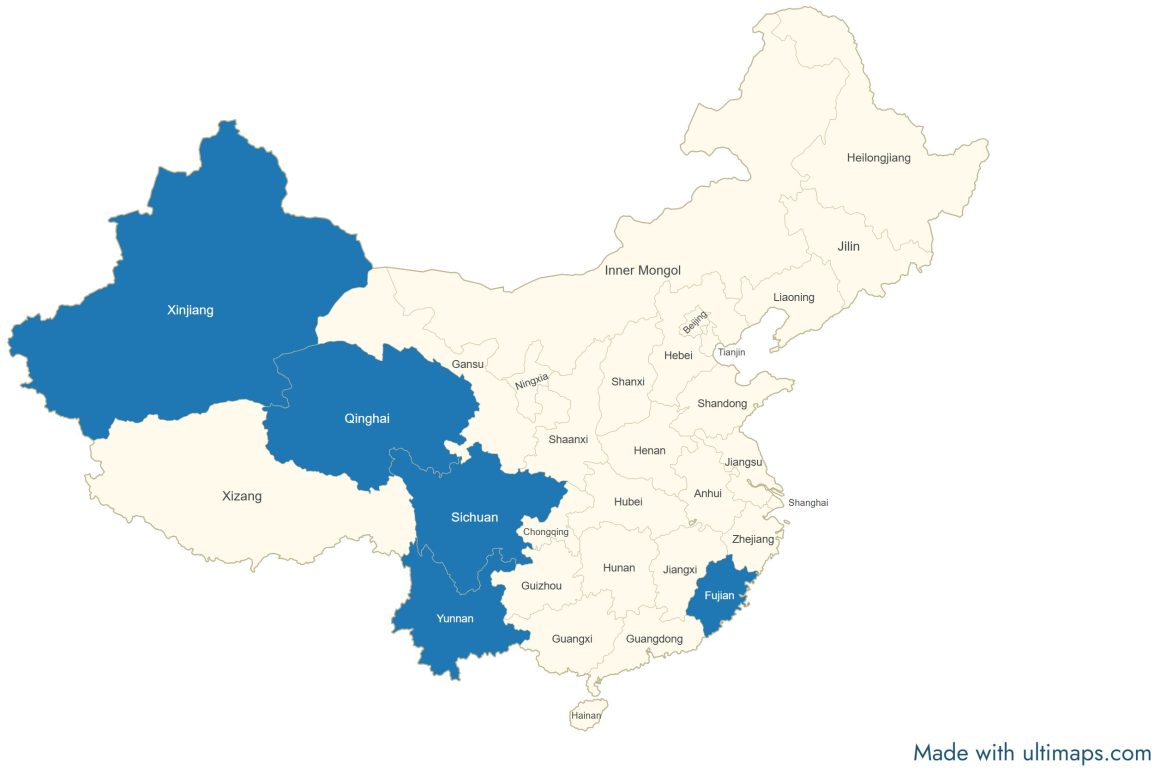
Yunnan has by far the largest number of bird species in China, as its landscape and habitat include East Asia, Southeast Asia, and the Tibetan Plateau. Some attractive bird families, such as hornbills, barbets, and pittas, can only be found in Yunnan or have a larger number of species than in other Chinese provinces. Yunnan is a particularly good place to go to from December to March. Attractive locations include Baihualing, Hongbenghe, Lijiang, and Xishuangbanna, many of which also offer bird hides for dedicated bird photography – though, as this is China, don’t be surprised if everyone in a bird hide except yourself is a smoker.
Sichuan has quite a few endemic and/or threatened birds, particularly pheasants and parrotbills. Probably it is most attractive for birders in spring (April to June). Good locations include Balangshan, Wolongshan, Kangding, Wawushan, Longcanggou, Tangjiahe, Yibin, and Ruoergai.
Qinghai is not a place where you will see a lot of birds in one place, but almost all the birds you see will be interesting. In particular, it is a good place to encounter birds living on the Tibetan plateau without the restrictions imposed on foreigners traveling to Tibet. July seems to be the best time for birding in Qinghai – good locations include Qinghai Lake, the area around Chaka, and Dulan County.
Fujian is a coastal province somewhat south of Shanghai, and part of its attraction comes from its coastal location and relatively mild climate. I have been to Sanming (for Cabot’s Tragopan and Elliot’s Pheasant) and to the Fuzhou National Forest Park (more for general birding than for particular species, though it is a good place for Fork-tailed Sunbird and Orange-bellied Leafbird). Wuyishan is also recommended frequently, as is the Minjiang Estuary for Chinese Crested Tern, and Quanzhou is an important wintering spot for Spoon-billed Sandpiper. Spring is the best season, here meaning March to May.
I have not been to Xinjiang for birding yet, but the province was mentioned frequently by the birders I asked. It is closest to Europe and thus has species that are not easily found elsewhere in China. It also has some extreme deserts and open areas, providing habitat for specialists, raptors, and vultures. I cannot really recommend locations yet, but it seems May to July are the best months to go birding in Xinjiang.
Siberian Crane (Jiangxi)
Best Birding Season
China has too many provinces and birding locations to indicate a universal best birding month or season, but this can be an advantage, as most months offer good birding somewhere in the country. Some of these have already been mentioned in the previous section.
- Fujian: March to May
- Guangxi (Nonggang): April to June, November to March
- Inner Mongolia: Winter (for owls)
- Jiangsu – coastal: September, October (for Spoon-billed Sandpiper, Far Eastern Curlew)
- Jiangxi: Winter (for Siberian Crane, Scaly-sided Merganser)
- Qinghai: June, July
- Shanghai: during migration, particularly May and September/October
- Sichuan (Balangshan and others): April to June
- Xinjiang: May to July
- Yunnan – tropical (Xishuangbanna, Baihualing, Hongbenghe): December to March
Himalayan Vulture (Sichuan)
Birding Trip Suggestion(s)
8-10 days birding and/or bird photography in Southern Yunnan (flying into Tengchong):
- Tengchong (Laifengshan, trail birding, 1 day). A chance to see mixed flocks
- Baihualing (3-4 days). Birding from hides, particularly good for photography, offering great views of species otherwise very hard to see openly, such as a variety of laughingthrushes
- Shiti Village and surroundings (3 days). Mostly hide birding, but also some trails. More and somewhat different Southeast Asian species compared to Baihualing, along with hornbills (depending somewhat on season)
- Nabang/Rongshuwang (1-2 days). Not as good as before, but it has some more open areas with different species.
Oriental Scops Owl (Shanghai)
Practical Tips
- China is generally a safe place with low crime rates, and foreigners are treated better than compatriots
- Payment is almost exclusively cashless, even in remote areas
- China has a fast and reliable train network and good flight connections; however, the most interesting birding locations tend to be at least a few hours by car away from traffic hubs. Distances between the birding locations can be relatively vast, even inside provinces
- Self-driving is not an option for birders from outside of China, as international driving licenses are not recognized
- In addition, as birding locations are mainly in rural, undeveloped places, English is not widely spoken – the best option is to either go with a local guide or an international birding company
- Some locations offer bird hides, particularly catering to bird photographers, as these are the most important clients to birding-related business activities in China
- Some accommodations can be fairly rustic and not too well-heated in winter, but Wifi is usually available
- Food tends to be very local – usually quite edible, but rice-based and unsophisticated. Breakfast is generally horrible – just the same items as for all other meals – so bring cookies if you are a whimp like me
- Same for coffee – it may not always be available, though hot water is. Best to bring some instant coffee if you need this drink in the morning
- China is a noisy country – even local birders and bird guides often are louder than in birding locations in other countries. Sometimes, it almost feels as if the birds are used to this.
Black-faced Laughingthrush (Yunnan)
Books
By far the best English-language guide to the birds of China is the Princeton guide.
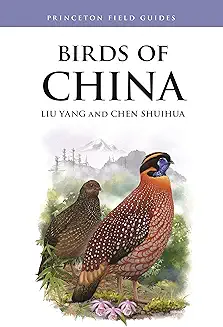
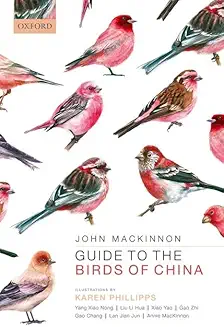
Compared to this one, the McKinnon guide – long regarded as a classic – is inferior despite receiving a second edition a few years ago. It is also much more expensive.
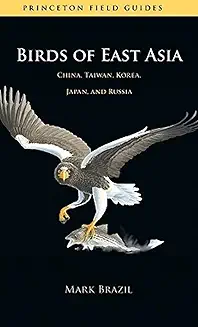
For China’s East coast, the Brazil guide was long a good choice, but nowadays the Princeton guide is also superior for this area.
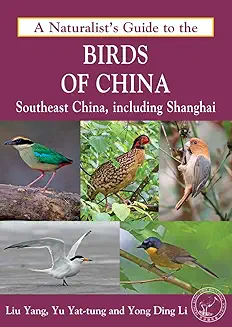
To see some good photos and basic information on Chinese birds, consider the Naturalist’s Guide to the Birds of China, but it is not comprehensive at all.
Links
10,000 Birds has many posts on China’s bird life, most of which have been written by me, so if you do not like my writing style, bad luck. We also have profiles of several local English-speaking bird guides.
Check the following:
- Bird Guide Zhang Lin
- Bird Guide Steven An
- Bird Guide Bella Zhang
- Bird Guide Sid Francis
- Bird Guide Shay Xie
- Post on the best Chinese provinces for birding
- Fatbirder (very detailed information on individual provinces)
- Posts by Kai Pflug (about half are on birding in China, particularly Shanghai – see the monthly posts on birding Shanghai, as well as many reports on individual locations in China)
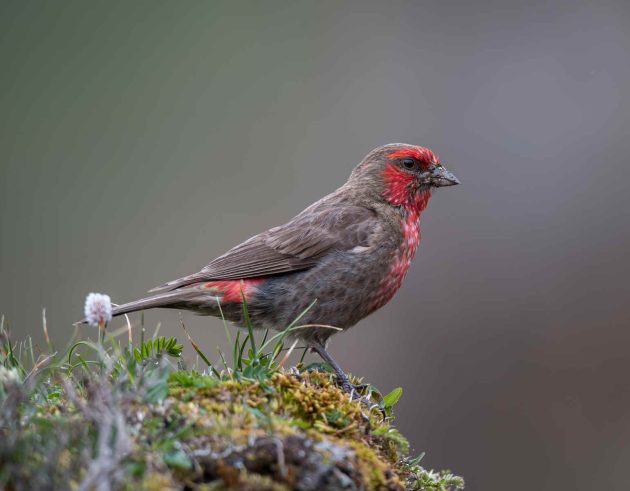
Red-fronted Rosefinch (Sichuan)
P.S. As we hope to become a bit more sophisticated in the future, we may split this country report into several parts covering different provinces or regions. Any help from bird guides, bird experts, or birding companies is welcome.
By Kai Pflug
Kai is a regular contributor to and editor of 10,000 Birds. He has been living in Shanghai for more than two decades, and started birding there.








The desire to visit China has become so strong it hurts. Amazing country (they have great food too, I was told – but not by Kai).
This was a great report, especially all of the features it covers and with honesty (“Accommodations can be rustic and not well-heated in winter,” “China is a noisy country” …). I truly doubt I will ever visit China. I tried to go to Bhutan recently, but, the flights I found had me scheduled for two back-to-back 9 hour layovers. I cancelled the trip. I think of birding as not only being about the birds I will see, but also about the birds I will never see.
Bad news about the smokers in the hides. The good news is that smokers are an endangered species here in the UK, and it’s rare to see anyone with both binoculars and a fag. Smoking in a hide is not accepted here.