


What is your favorite bird species?
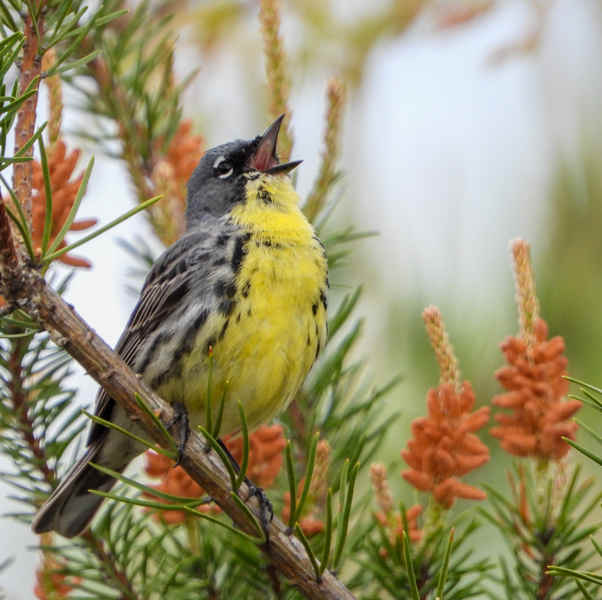
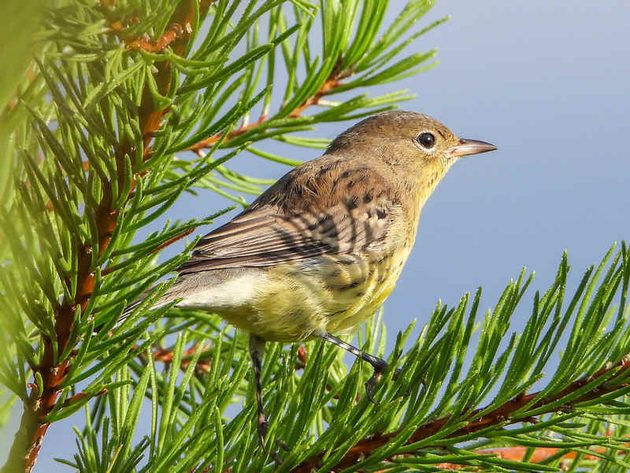
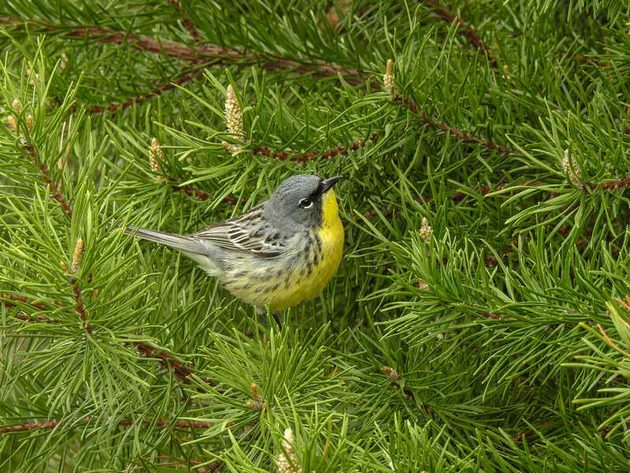
Kirtland’s Warbler
What is your name, and where do you live?
Sam Burckhardt, East Tawas, Iosco County, Michigan, USA
What are the main regions or locations you cover as a bird guide?
Iosco County, Michigan; the Upper-Lower Peninsula and the Upper Peninsula of Michigan
How long have you been a bird guide?
26 years
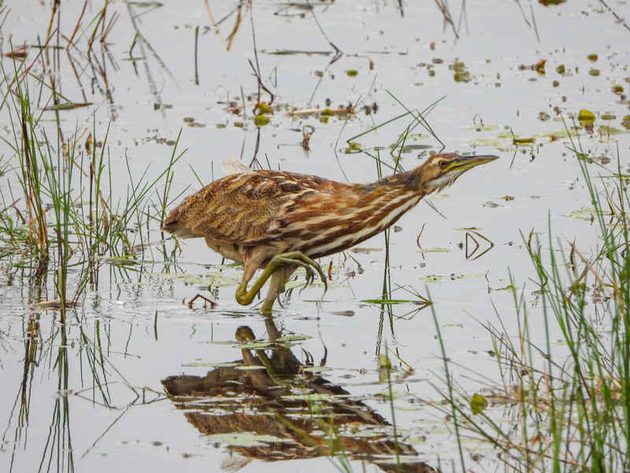
American Bittern
How did you get into bird guiding?
I lived near Humboldt Park in Chicago for many years and birded the park extensively. I was asked to lead a field trip for the Chicago Ornithological Society, which was the start of my activity as a bird guide.
What are the aspects of being a bird guide that you like best? Which aspects do you dislike most?
I love the joy and awe that birds can bring to people’s lives. I am always disappointed if we cannot find or get a good look at a target species. I think I’m often more disappointed than the client.
What are the top 5–10 birds in your region that are the most interesting for visiting birders?
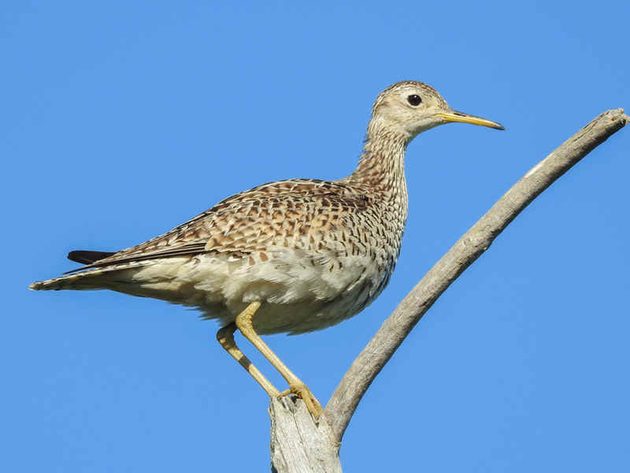
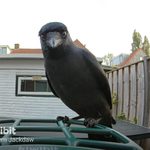
Some of the iconic birds in our area are Kirtland’s Warblers, and most warbler species during spring migration, Trumpeter Swans, Piping Plovers, Upland Sandpipers, Common Ravens (rare in most of the Midwest), Bobolinks, and other grassland species. Winter birding can be good, as well, with Snowy Owls, Rough-legged Hawks, Northern Shrikes, and eruptive finches.
Upland Sandpiper
Can you outline at least one typical birdwatching trip in your area? Please briefly describe the locations, the key birds, and the approximate duration of such a trip.
Typically, we start at a Kirtland’s Warbler habitat first, since this is a target species for most birders who come to this area. This habitat is good for many other species, such as Common Nighthawks, Black-billed Cuckoos, Hermit Thrushes, Brown Thrashers, Vesper and Field Sparrows, Eastern Towhees, Nashville Warblers, and Scarlet Tanagers.
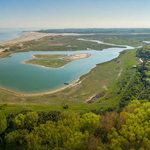
We then move to a large marsh in Iosco County to see and hear bitterns, Trumpeter Swans, and other waterfowl, rails, and shorebirds. We usually break for lunch, then move to Tawas Bay for migrants during migration and Piping Plovers during the breeding season. Alternatively, we can move north for grassland birds (Upland Sandpipers and Grasshopper Sparrows), Piping Plovers along the lakeshore, and Neotropical migrants.
We can then break for dinner and add evening/night birding for Eastern Whip-poor-wills and Common Nighthawks, to hear bitterns and rails, and to see owls, such as Great Horned, Barred, and Eastern Screech-Owls.
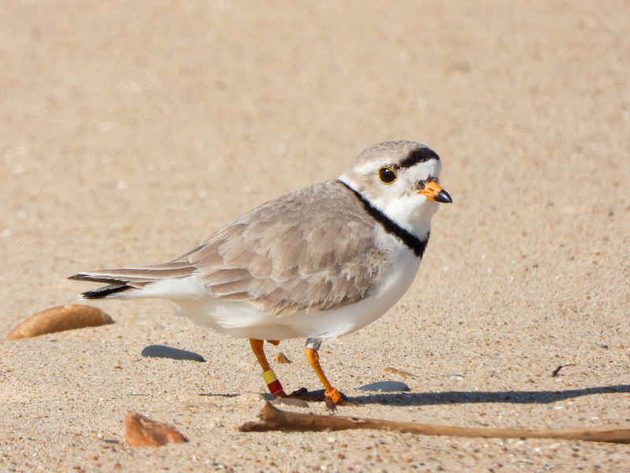
Piping Plover
What other suggestions can you give to birders interested in your area? (For example, what to bring, which season to choose, etc.)
The weather can be temperamental. Bring warm clothing, even in late spring. The best overall season is spring, with the second-to-last week in May being best for migration.
If any readers of 10,000 Birds are interested in birding with you, how can they best contact you?
Via email at rawsbb@mac.com
Is there anything else you would like to share with the readers of 10,000 Birds? (Only answer if you want to add something.)
I’m a professional musician and got into birding very early in my life, thanks to my father, who worked as the assistant to the director of the Swiss Ornithological Institute in the 1950s. I came to the US in 1982 to work as a saxophonist in the band of legendary Blues musician Sunnyland Slim. I now work mostly under my own name with various bands in the US and in Europe.







Leave a Comment