

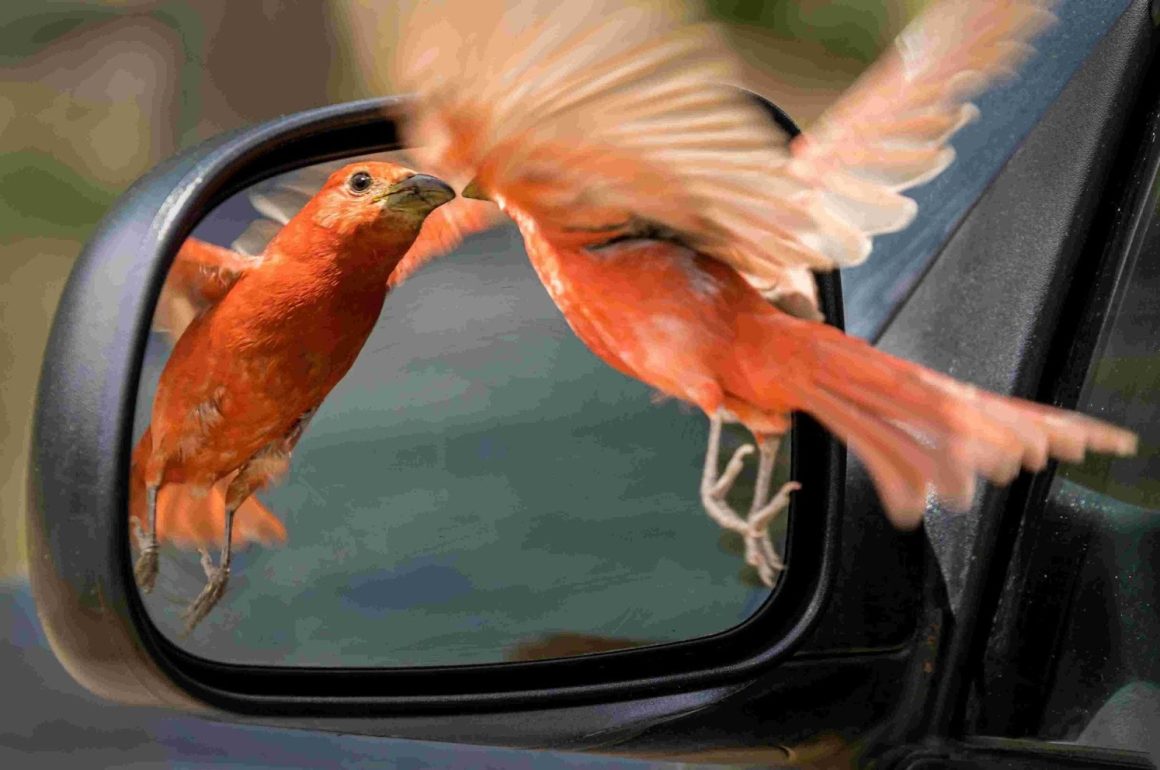
Cities are expanding to accommodate rapid population growth worldwide. While urban developments aim to address human needs, these changes are often at the expense of natural areas that wildlife depends on. In sprawling metropolises, skyscrapers replace tall trees and reflect the sky, which confuses birds and increases collision risks. Fortunately, more places are creating urban green corridors to reconnect habitats and provide safe pathways for birds through the city.
The Case of Dying Birds
The numbers reveal a grim reality — in the U.S., 2.9 billion birds have been lost since 1970. Over a quarter of the continent’s birdlife has disappeared within a single human lifetime. Many of these losses stem from expanding cities and shrinking natural habitats.
As cities cut into forests, grasslands and wetlands, the undisturbed green spaces birds use for feeding, nesting and resting during migration shrink. This loss of resources pushes them to search harder for food and shelter, which increases their exposure to the hazards unique to urban environments.
Collisions are a major part of the problem. Tall buildings with reflective surfaces may have claimed the lives of over a billion birds in a single year. Recent findings show that only 40% of those who appear to brush off a window crash actually survive with recoverable injuries.
Air traffic isn’t the only threat. Even on land, they face hazards when flying low. Every year, an estimated 96 million birds collide with vehicles along highways. With both birds and cars moving at high speeds, the survival rate after these collisions may be even lower.
Cities also create invisible threats. Vibrant street lights make neighborhoods safe for people but life-threatening for birds. It disorients night-migrating birds and disrupts the wake cycles of nocturnal species like owls. Noise pollution also masks bird calls, which are critical for successful breeding. Free?roaming pets, pesticides and plastic pollution increase mortality and reduce the food they rely on.
How Urban Green Corridors Create an Avian Haven
Bird movement, especially for migratory species, often overlaps with metropolitan activity, funneling them into high-risk areas. For example, the Red Knot (Calidris canutus) is a champion of long-distance migration, traveling from the southernmost tip of South America to breed in the Arctic. These creatures can remain in flight for up to a week, but without safe stopovers, they expend more energy and face greater risk of mortality.
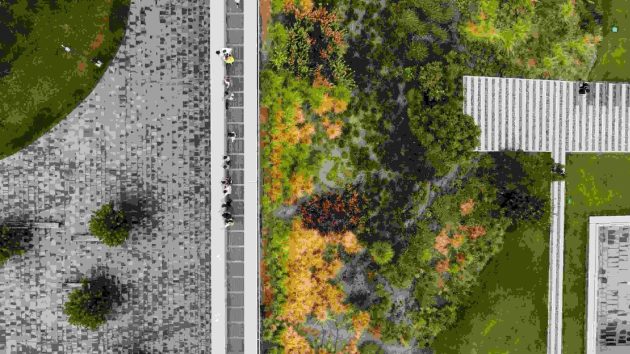
Urban green corridors provide a practical solution. These stretches of vegetation, parks, tree-lined streets and restored wetlands provide birds with places to land, feed and replenish their energy before continuing their journey. For resident birds, these pockets of nature also serve as safe spots to rest, feed and shelter from urban predators, such as domestic and feral cats.
Essential Elements of Urban Corridors
A truly supportive greenway includes features that ensure the success of the feathered species:
- Tree networks: Trees provide shade from urban heat and cover from predators. They also offer perches and resting spots for migratory birds before their next stretch of flight.
- Native plants: Native plants attract insects and produce seeds and fruit, supporting local food webs and feeding both resident and migratory species.
- Green roofs: Rooftop gardens create safe feeding and resting sites, especially in densely built areas with little ground-level vegetation. They also protect eggs and chicks from ground predators, providing birds with a secure nesting site.
- Blue infrastructure: Ponds and stormwater wetlands support wildlife, from insects to birds, and serve as refuges for endangered aquatic species. They are especially important in summer for migratory birds like Reed Warblers (Acrocephalus scirpaceus), which rely on emergent aquatic insects for food, contributing to urban species conservation.
- Crossing structures: Wildlife underpasses and overpasses reduce vehicle collisions, keeping birds and other animals safe while maintaining natural movement corridors. At Trappers’ Point along U.S. Highway 191, for example, two overpasses were built as concrete arch bridges, allowing wildlife to cross without disrupting their transit paths.
Cities Leading the Way in Bird-Safe Design
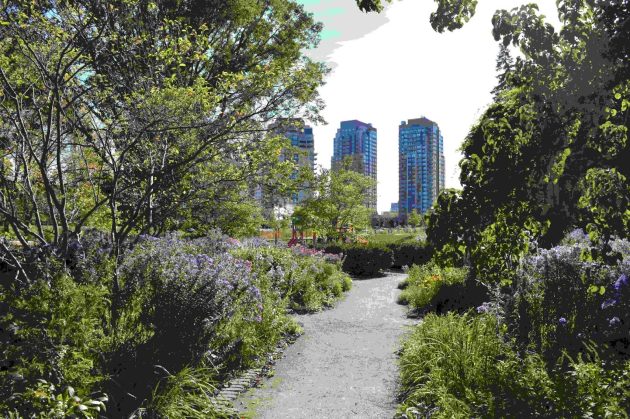
Across the globe, cities are reimagining concrete landscapes to create protected spaces for birds. Here are some of the largest urban centers setting the standard for bird-friendly design.
New York City
New York’s elevated High Line remains a flagship example. The parkway hosts many resident and migratory bird species throughout the year. Furthermore, NYC has turned bird safety into a central part of urban planning.
Landmark legislation, including Local Law 15, requires bird?friendly materials on new buildings and major renovations to reduce deadly window collisions. The city’s Lights Out policies also ask municipal buildings to turn off nonessential lighting during spring and fall migration to keep night-migrating birds safer along the Atlantic Flyway.
London
London has taken a citywide approach to bird-friendly design by expanding habitat networks across the capital. The mayor’s biodiversity strategy aims to strengthen climate resilience through greener and healthier neighborhoods. As part of its rewilding efforts, London is even working to reintroduce breeding White Storks that had disappeared from the region for nearly 600 years.
The city also plans extensive green roofs and greening projects, aiming to cover more than half of London in vegetation by 2050 while increasing the tree canopy to 10%. These initiatives help restore habitat in densely urbanized areas and create safer environments for wildlife.
Costa Rica
While Costa Rica may not evoke images of skyscraper cities, that is part of its strength. Its approach balances urban density in the Central Valley while preserving forests, beaches and rural landscapes.
The country has built one of the world’s most ambitious wildlife corridor systems. Through its national biological corridor program, the country has established 44 biological corridors covering roughly one-third of its territory. This links national parks, forests, farms and rivers into connected habitat networks that allow wildlife to maintain their migration routes.
How You Can Help Make Cities Safer for Birds
Championing bird conservation is not the sole responsibility of city planners and policymakers, but also of everyday citizens. Community members can participate in habitat restoration projects, volunteer for local park cleanups or support tree-planting and native planting initiatives that create shelter and food.
Urban corridors offer rewarding birdwatching opportunities to spot your feathered neighbors and migratory species. Observing and documenting these creatures helps raise awareness of how wildlife uses these environments while tracking their presence — especially when populations decline or return to restored habitats.
Citizen participation also contributes valuable scientific data. Various platforms allow people to report bird sightings, migration activity and building crashes. These citizen-science tools help researchers track bird populations and identify areas where cities can improve protections for urban wildlife.
A Greener Flight Path for Urban Wildlife
Cities have sprawled enough. It’s time for nature to reclaim space and add greenery to concrete jungles. Today, rewilding and back-to-nature efforts are helping birds return, establish strong colonies and live peacefully alongside humans, turning urban areas into safe havens rather than places where development threatens their survival.













Grace mentions the plan to introduce White Storks to London. Unfortunately this is a project that sounds great but in reality is quite daft. There is no genuine record of White Storks ever breeding in Britain in historical times, while London doesn’t have suitable habitat for such birds. Where these birds are going to feed is a mystery. The first release is scheduled for this coming autumn. Whether the storks would want to be released in London is a subject that hasn’t been discussed.
Storks could easily reach Great Britain on their own wings so something is preventing them from doing so. We have urban storks in Rotterdam but they feed in the zoo and open farmland is not too far away. London has a lot less stork habitat, if at all. I agree with David: daft indeed.