
Which bird species do you think is the biggest attraction to visitors of your lodge (please only name one species)?
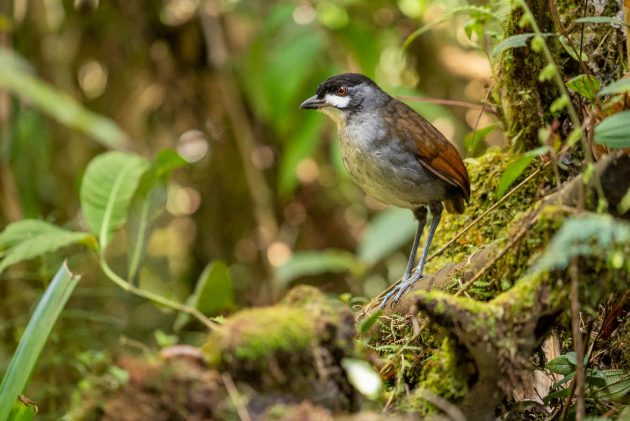
The Jocotoco Antpitta (Grallaria ridgelyi) is the main attraction for visitors. This endemic species, discovered in 1997, is rarely seen elsewhere. Thanks to our feeding stations, guests have excellent chances to observe and photograph this elusive and iconic bird up close.
Jocotoco Antpitta (Alex Wiles)
What is the name of your lodge, and since when has your lodge been operating?
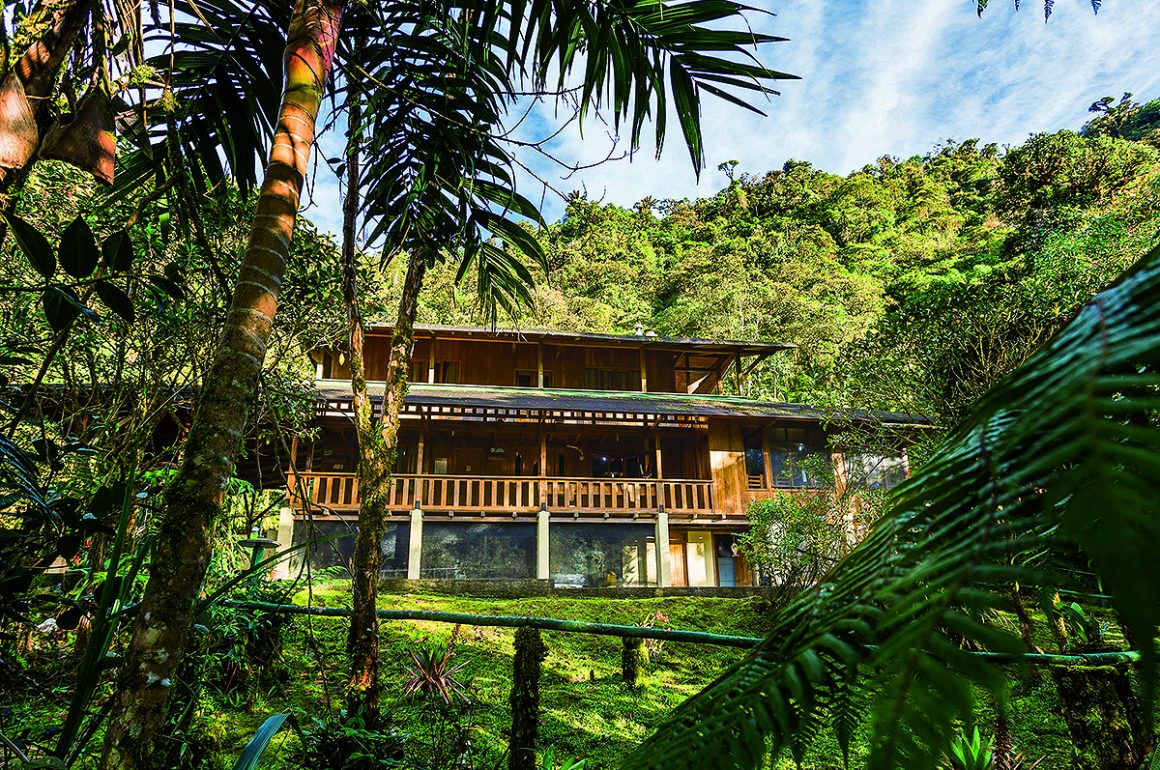
Our lodge is called Casa Simpson, located within Tapichalaca Reserve. It has been operating since the late 1990s, shortly after the reserve was established in 1998 to protect the newly discovered Jocotoco Antpitta and its unique habitat.
How best to travel to your lodge?
The easiest way to reach the lodge is by taking a flight from Quito to Loja (Catamayo Airport), followed by a scenic drive by car to the Tapichalaca Reserve and Casa Simpson Lodge.
What kind of services – except for accommodation and food – does your lodge offer to visiting birders?
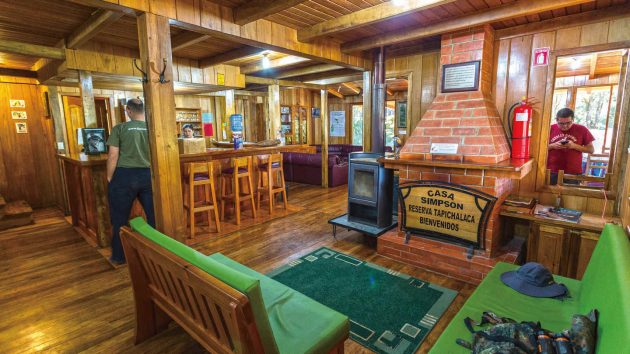
We offer antpitta feeding stations, especially for the Jocotoco Antpitta, as well as well-maintained trails with direct access from the lodge. Expert birding guides are available, and the lodge is ideal for cloud forest photography thanks to its unique setting and bird-friendly infrastructure.
What makes your lodge special?
Casa Simpson is not only the first lodge created to protect the Jocotoco Antpitta, but also a flagship conservation site in Ecuador. Located within the Tapichalaca Reserve, it offers guests a unique experience by combining comfortable lodging—including hot showers, Wi-Fi, and cozy accommodations—with immediate access to high-quality birding trails in the cloud forest. Its proximity to antpitta feeding stations and rich biodiversity makes it a must-visit for serious birders and nature photographers alike.
What are the 10 – 20 most interesting birds that your lodge offers good chances to see?
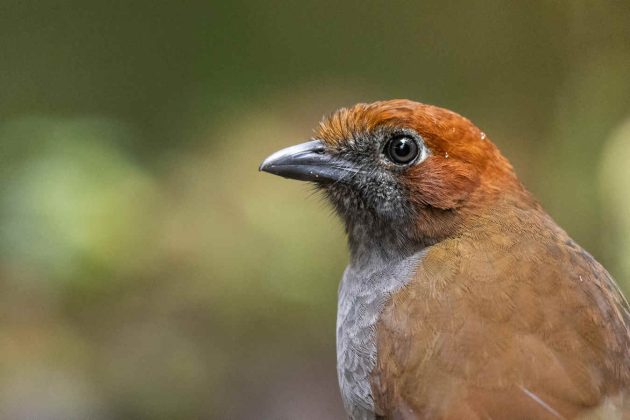
Our lodge provides excellent opportunities to observe a variety of remarkable bird species, including the iconic Jocotoco Antpitta, Chestnut-napped Antpitta, Orange-banded Flycatcher, White-throated Quail-dove, White-capped Tanager, Amethyst-throated Sunangel, Chestnut-breasted Coronet, Collared Inca, Little Sunangel, and Long–tailed Sylph.
Chestnut-naped Antpitta (James Muchmore)
What is the best time to visit your lodge, and why?
The lodge can be visited year-round, for birding, the best time is from October to March because of the weather, as the feeders are more active. The dry season (May to September) is the best time for trekking photography, as trails are in better condition and bird visibility improves significantly.
Is your lodge involved in conservation efforts? If yes, please describe them.
Yes, the Tapichalaca Reserve has been protected by the Jocotoco Foundation since 1998. Our lodge supports conservation through antpitta feeding stations, which help increase the survival rates of these elusive birds and contribute to their long-term protection.
The Podocarpus-El Cóndor Biosphere Reserve hosts a very special assembly of Andean ecosystems, humid forests of the El Cóndor mountain range, older than the Andes, and one of the few dry forests of the Amazon basin trapped between both. Nine of these ecosystems are unique as a whole, and all of them are home to countless endemic species. At the same time, destruction due to deforestation and mining is still spreading fast, making our conservation job a high priority if we are to prevent the extinction of hundreds of species, many still unknown to science.
What other suggestions can you give to birders interested in visiting your lodge?
We recommend bringing layered clothing, sturdy trekking boots, binoculars, and a camera for photography. Also, be sure to pack insect repellent, a rain jacket, plenty of water, and sunscreen to stay comfortable and prepared in the cloud forest environment.
Do you have activities for non-birders? If so, please describe
Yes, we offer guided interpretive hikes through the cloud forest, where guests can enjoy observing butterflies, diverse flora, and wildlife such as tapirs and the spectacled bear. We also offer tours with local communities in the Palanda area for agrotourism, visits of local farms, gastronomy experiences, and elaboration of chocolate and coffee production.
If any reader of 10,000 Birds is interested in staying at your lodge, how can they best contact you?
For reservations or more information, please contact us at:
Email: info@jocotoursecuador.com
Phone: +593 99 244 0038
Website: https://jocotoursecuador.com


Leave a Comment