


What is your favourite bird species?
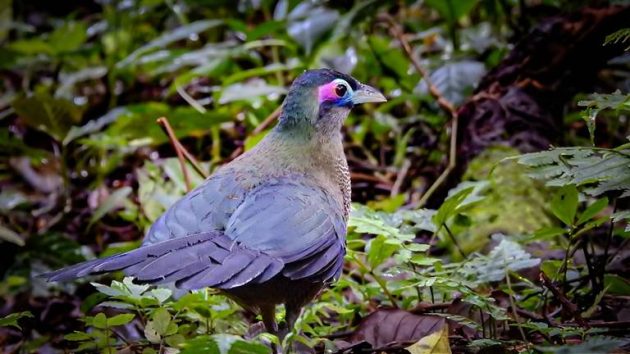
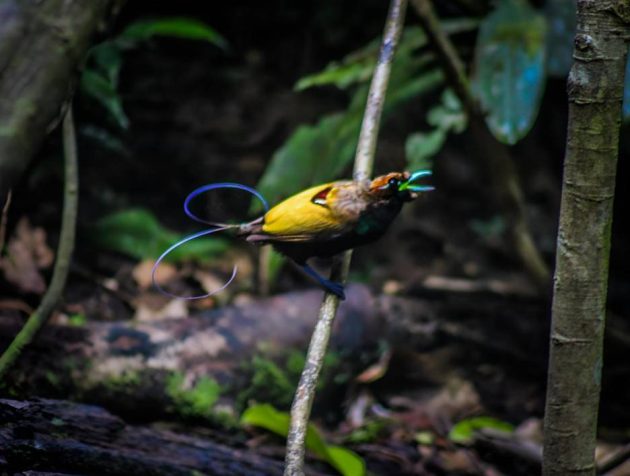
My favourite birds are members of the Paradisaeidae family, especially the Red Bird-of-Paradise. Spotting one feels like a real adventure, you have to travel all the way to Raja Ampat, often hiking deep into the forest. That sense of journey and discovery makes the experience truly unforgettable. Another bird I truly admire is the Sumatran Ground-Cuckoo. It’s incredibly rare and secretive, which makes encountering one feel like discovering a hidden treasure of the rainforest.
What is your name, and where do you live?
My name is Rizki, and I work as a bird tour guide and ornithology consultant. I’m based in Kerinci Regency, Jambi Province, one of the most biodiverse regions in Indonesia. Living right next to rich tropical forests allows me to work closely with wildlife, especially birds, and to guide visitors who want to experience Indonesia’s incredible avian diversity firsthand.
What are the main regions or locations you cover as a bird guide?
I mainly work as a bird guide in Sumatra and West Papua. Sumatra is my homeland, so I know its forests and birdlife very well. West Papua, on the other hand, is one of the islands where I have spent a lot of time exploring and discovering its incredible avian diversity for Fauna & Flora Indonesia – Tanah Papua Programme. Guiding in both regions allows me to experience two of the richest birding destinations in Indonesia.
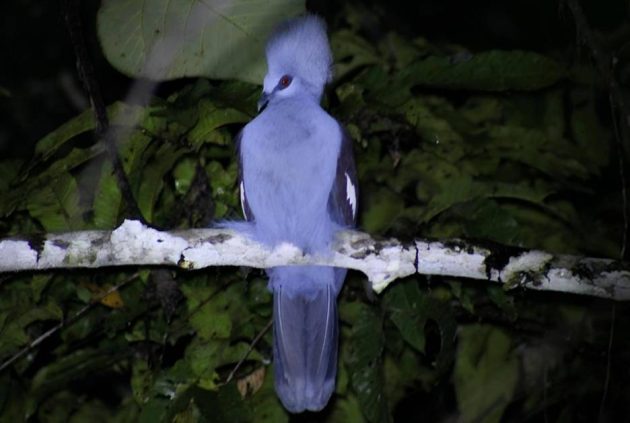
Western Crowned Pigeon
How long have you been a bird guide?
I have been working as a bird guide since 2020. I am an active member of the Kerinci Birdwatching Club, operating under the guidance and supervision of officials from Kerinci Seblat National Park. Through this role, I have gained extensive field experience while supporting ethical birdwatching practices and conservation efforts.
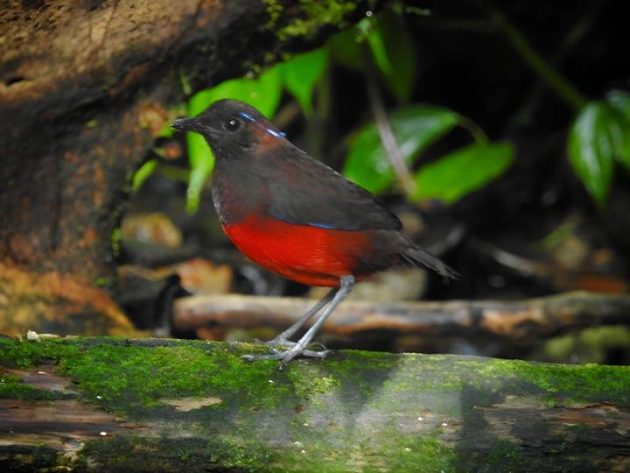
Graceful Pitta
How did you get into bird guiding?
I originally worked as a mountain guide, which gave me extensive experience in outdoor navigation and working in natural environments. Over time, my strong interest in wildlife, particularly through watching National Geographic and other wildlife documentaries, deepened my appreciation for birds and biodiversity. This passion eventually led me to pursue a career in bird guiding.
Magnificent Bird-of-paradise
What are the aspects of being a bird guide that you like best? Which aspects do you dislike most?
The aspect I enjoy most about being a bird guide is the opportunity to meet birdwatchers from all over the world. Interacting with international clients allows me to exchange knowledge, gain new insights, and continuously broaden my experience in the field.
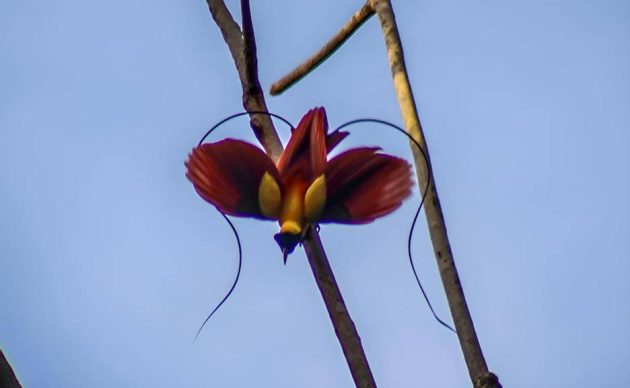
Red Bird-of-paradise
The most challenging aspect is managing expectations. At times, some clients do not fully understand the field conditions required to observe certain target species, even though these limitations are explained prior to the trip. Additionally, it can be difficult when clients wish to see a large number of target birds within a very limited timeframe.
What are the top 5-10 birds in your region that are the most interesting for visiting birders?
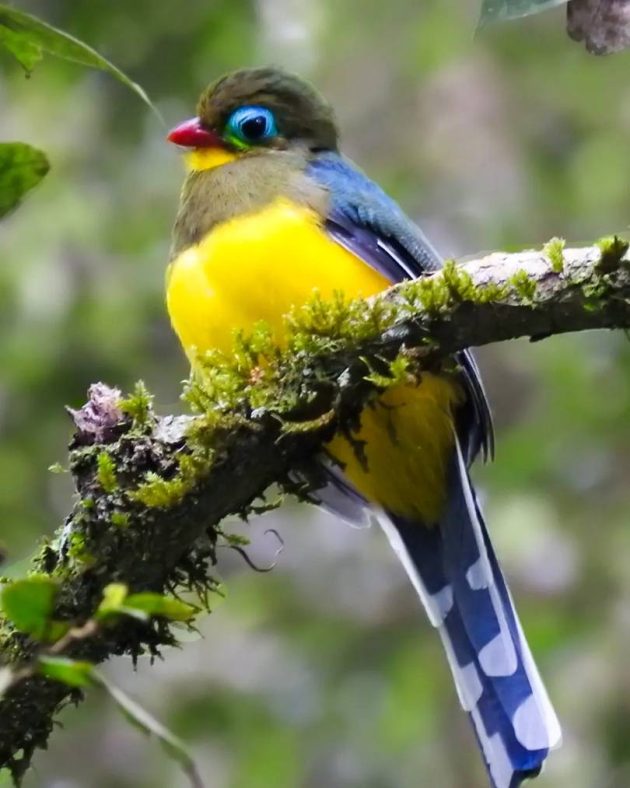
In Sumatra, some of the most interesting and sought-after species for visiting birders include the Sumatran Ground-Cuckoo, Graceful Pitta, Schneider’s Pitta, Sumatran Frogmouth, Salvadori’s Pheasant, various species of hornbills, and the Sumatran Trogon, among others. These birds are particularly valued for their rarity, endemism, and elusive behaviour.
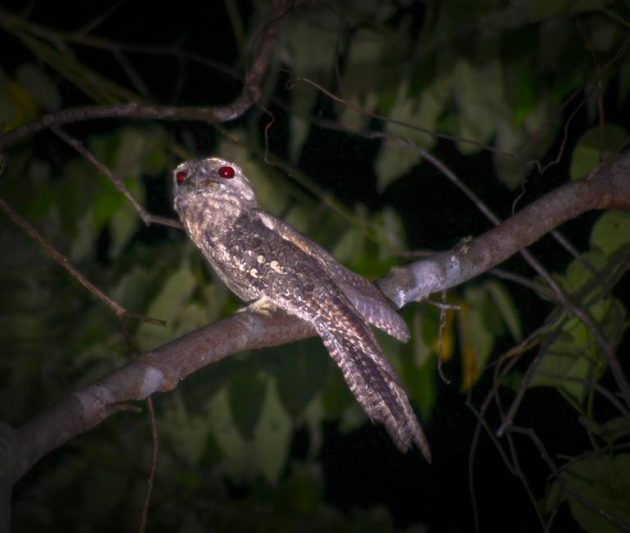
Papuan Frogmouth
In West Papua, birders are especially interested in species such as the Greater Melampitta, several members of the bird-of-paradise family, the Orange-footed Megapode, as well as a wide range of parrots, pigeons (Columbidae), and pittas (Pittidae). The region’s exceptional biodiversity makes it one of the most rewarding destinations for birdwatching.
Can you outline at least one typical birdwatching trip in your area? Please briefly describe the locations, the key birds and the approximate duration of such a trip
A typical birdwatching trip in Kerinci Seblat National Park, Sumatra, lasts around seven days and covers a range of montane and lowland forest habitats. After arrival in Padang and a 7–8 hour transfer to the Kerinci area, birding focuses on the Mount Kerinci trail up to 2,000 metres above sea level, targeting key Sumatran endemics such as Graceful and Schneider’s Pittas, Salvadori’s Pheasant, Sumatran Frogmouth, and hornbills. The itinerary then moves to Tapan Road and the Lake Kaco trail, with a particular emphasis on finding the elusive Sumatran Ground-Cuckoo, while allowing flexible time to search for any missed species before returning to Padang for departure.
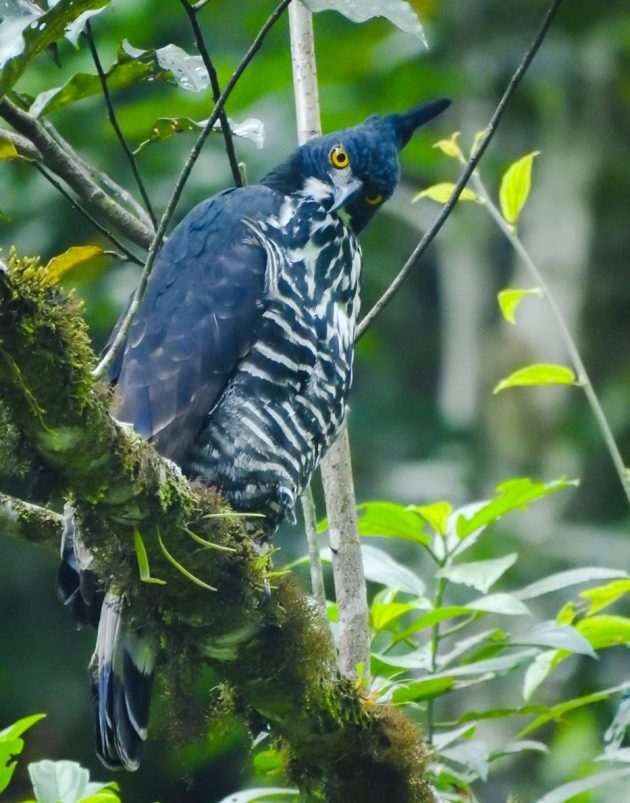
Blyth’s Hawk-eagle
What other suggestions can you give to birders interested in your area?
To explore birdwatching in Sumatra and West Papua, Indonesia, binoculars are essential, and a camera is highly recommended for documentation purposes. The best period for birding in both regions is from March to November, when weather conditions are generally more favourable, and bird activity is at its peak.
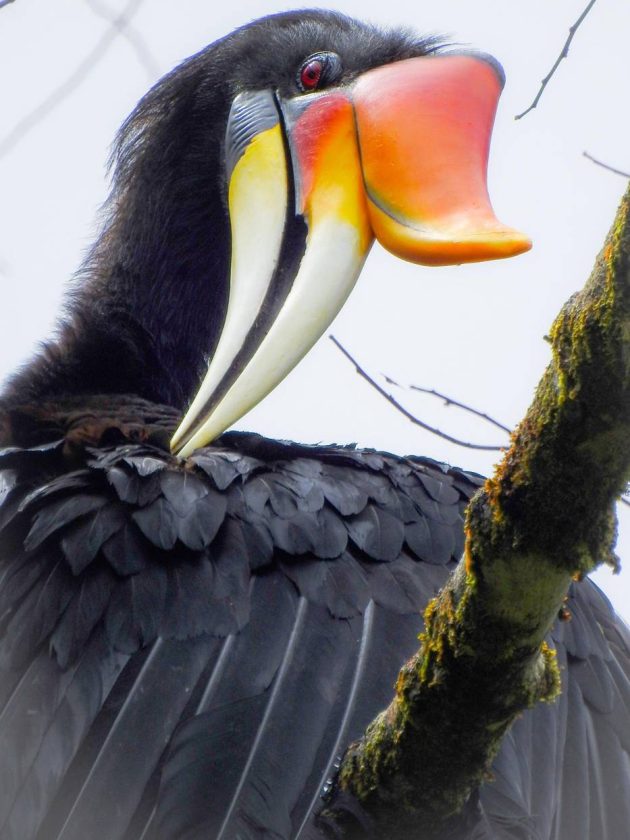
Rhinoceros Hornbill
If any readers of 10,000 Birds are interested in birding with you, how can they best contact you?
- Email: rizkiaznurizal@gmail.com
- WhatsApp: +6282280238958
- Instagram: Rizkifitx
Sumatran Trogon
Is there anything else you would like to share with the readers of 10,000 Birds?
For further information about tours and requirements in Indonesia, particularly in Sumatra and Papua, early communication is highly recommended. If you are interested in birding in other destinations, please let me know, as I can also arrange trips through trusted local partners and colleagues in those areas.
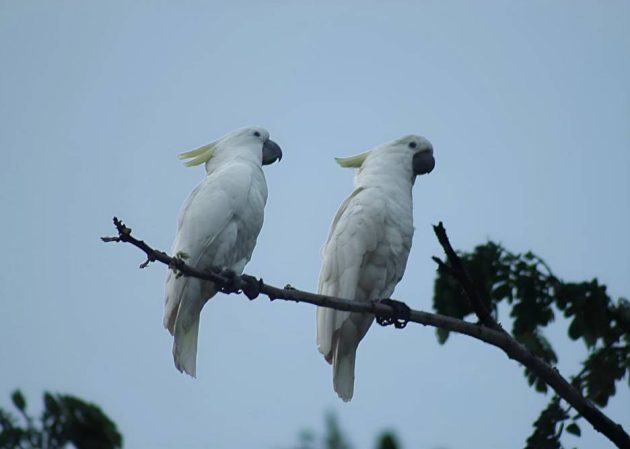
Yellow-crested Cockatoo








This was one of the best Bird Guides of the World post that I have read recently. I liked that Rizki explained honestly what birders must expect when they are birding in his territory. The photo of the Papuan Frogmouth gets to the heart of it. As for me, I would surely love to see that Sumatran Trogan, but my days for this have passed. I’ll bet Rizki is a terrific guide for those who are able to visit.