

Highlights
Namibia, in southwestern Africa along the Atlantic coast, is bordered by Angola to the north, Zambia to the northeast, Botswana to the east, and South Africa to the south and southeast. Its landscapes range from the flamingo-filled lagoons and red dunes of the Namib Desert, to the rugged granite koppies of Damaraland, the remote Kunene River, the expansive savannas and waterholes of Etosha, and the cliffs and woodlands of Waterberg Plateau.
A birdwatcher’s paradise, Namibia is home to 14 near-endemic species and over 650 recorded birds. Its strength lies in the diversity of habitats—desert, savanna, woodland, and wetlands—which allow birders to encounter species from over 50 bird families, including desert specialists, migratory birds, and unique southern African species, all set against some of Africa’s most dramatic and photogenic landscapes.
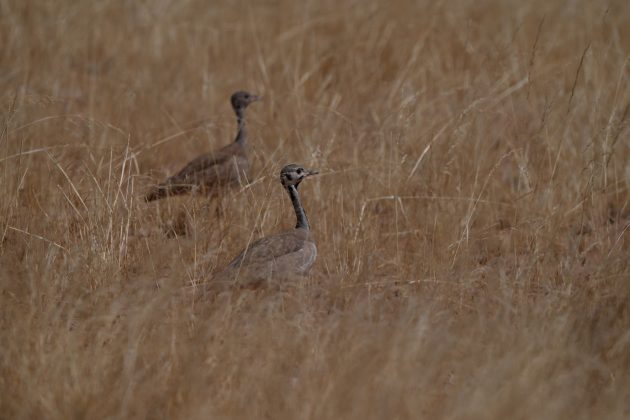
Ruppell’s Korhaan
Key Bird Species and Families
- Dune Lark
- Gray’s Lark
- Damara Tern
- Cinderella Waxbill
- Rufous-tailed Palm Thrush
- Rockrunner
- Hartlaub’s Spurfowl
- Herero Chat
- Bare-cheeked Babbler
- Black-faced Babbler
- Bradfield’s Hornbill
- Damara Red-billed Hornbill
- Monteirio’s Hornbill
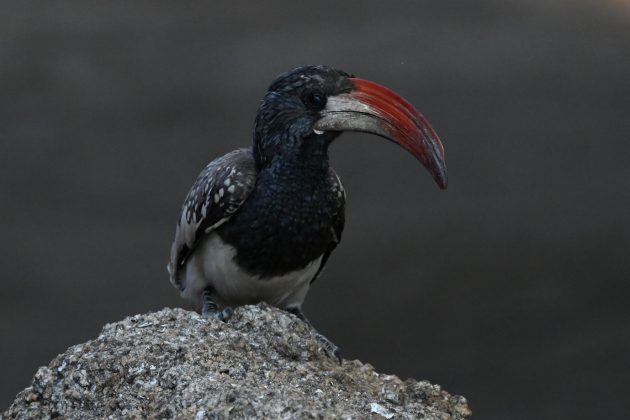
Monteiro’s Hornbill
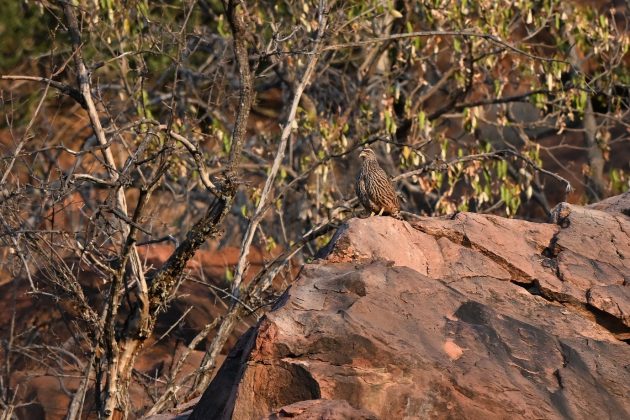
Hartlaub’s Spurfowl
Best Regions for Birding
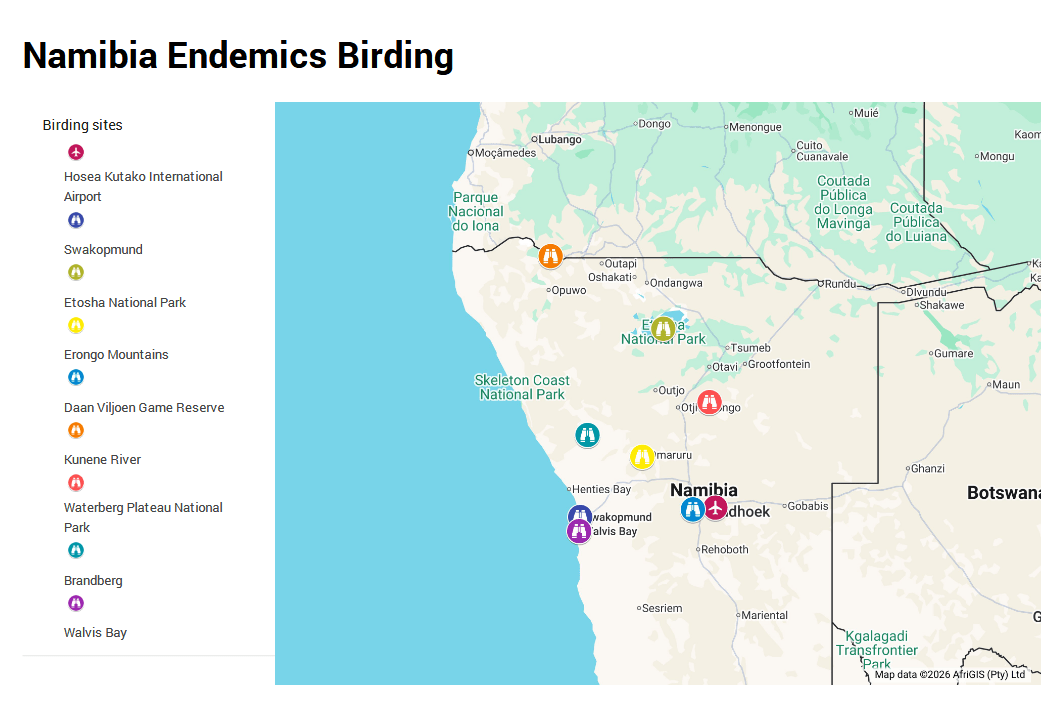
Swakopmund
Nestled between the Namib Desert and the Atlantic Ocean, Swakopmund is a vibrant coastal town with a rich mix of German, Namibian, and South African influences. Its surrounding habitats—including dunes, gravel plains, and estuaries—provide excellent opportunities to spot both desert-adapted species and migratory shorebirds against striking ocean vistas.
Etosha National Park
Etosha is one of Africa’s premier birding destinations, with vast pans, acacia woodlands, and permanent waterholes supporting a remarkable diversity of species. Birders can enjoy raptors, waterbirds, and woodland species while experiencing the park’s iconic, open landscapes and dramatic light.
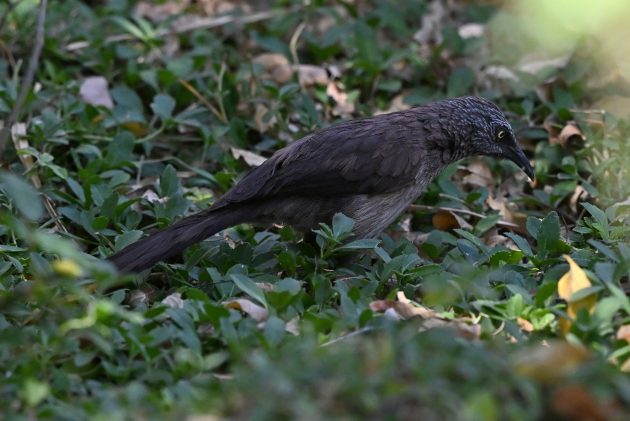
Black-faced Babbler
Erongo Mountains
The Erongo Mountains feature rugged granite formations, boulder-strewn valleys, and sparse savanna, creating perfect niches for Namibia’s near-endemic and specialty species. The striking scenery also provides unforgettable photographic backdrops for birding excursions.
Daan Viljoen Game Reserve
A short drive from Windhoek, Daan Viljoen offers accessible birding in dry-country savanna and woodland habitats. Its network of trails and picnic areas allows for leisurely exploration while spotting a variety of local and regional species.
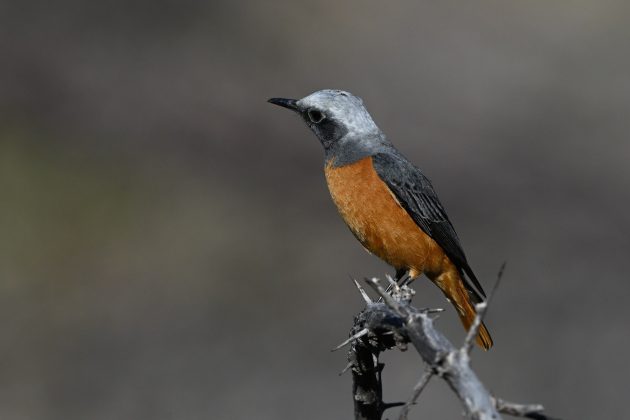
Short-toed Rock Thrush
Kunene River
The Kunene River meanders through one of Namibia’s most remote and wild regions, offering riverine and arid habitats that support a mix of localized and desert-adapted birds. Birding here is enhanced by dramatic landscapes and occasional encounters with Himba communities, adding cultural richness to the experience.
Waterberg Plateau National Park
Rising abruptly from the surrounding plains, Waterberg Plateau combines cliffs, savanna, and woodland habitats that harbor near-endemic and woodland species. Elevated viewpoints and riverine areas make it an ideal spot for observing both common and specialty birds in stunning scenery.
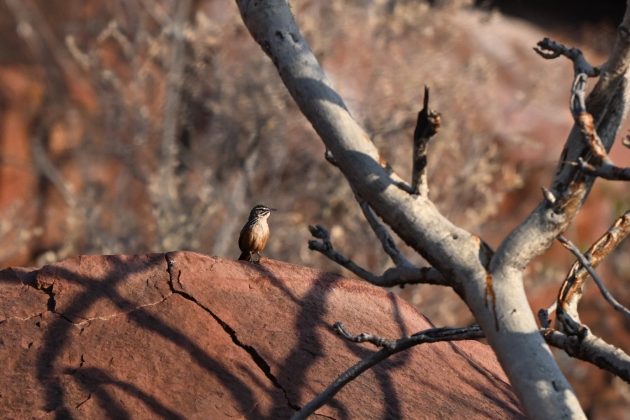
Rockrunner
Brandberg Area
Dominated by Namibia’s highest peak, the Brandberg massif, this area features rocky hills, dry valleys, and unique desert habitats. Its remoteness and geological features create excellent opportunities to find desert-adapted birds in a dramatic, photogenic setting.
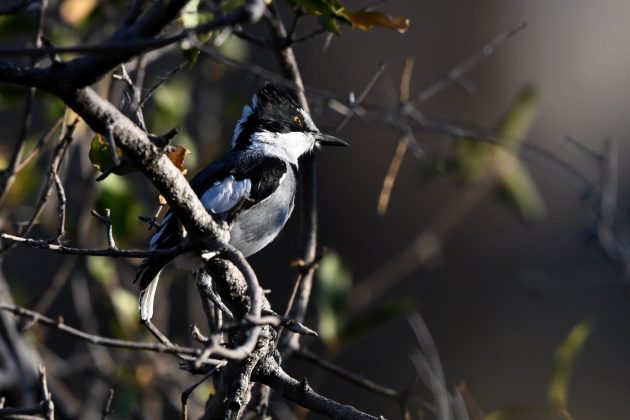
White-tailed Shrike
Walvis Bay
Walvis Bay’s coastal lagoon and salt flats are internationally renowned for waterbird diversity, including massive flocks of flamingos and a range of waders. The mix of estuarine, salt pan, and intertidal habitats provides one of southern Africa’s richest birding experiences along the Atlantic coast.
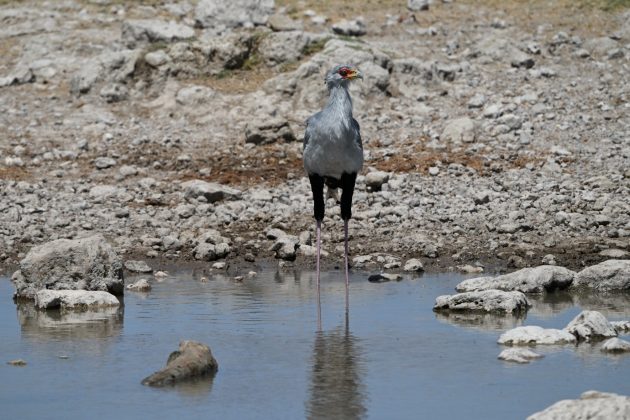
Secretarybird
Best Birding Season
The best birding in Namibia is during the southern African summer, from October to April, when migratory species arrive, many birds are in breeding plumage, and waterholes and wetlands are full, attracting waterbirds and waders. Desert and arid-zone species are also more active after seasonal rains. However, Namibia offers excellent birding year-round: the drier months (May to September) are ideal for spotting desert specialists and raptors, with clear skies and easier access to remote areas, making it a destination that rewards birders in every season.
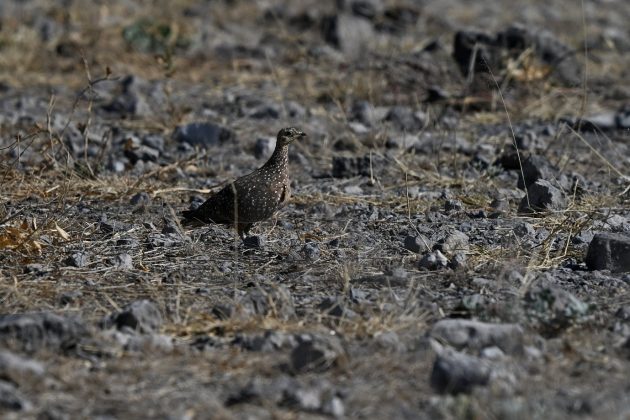
Burchell’s Sandgrouse
Birding Trip Suggestion(s)
Two weeks exploring Namibia with stops at:
- Daan Viljoen Game Reserve
- Swakopmund & Walvis Bay
- Spitzkoppe & Brandberg
- Huab River (Damaraland)
- Kunene River
- Etosha National Park (western, southern, central, eastern sections)
- Waterberg Plateau National Park
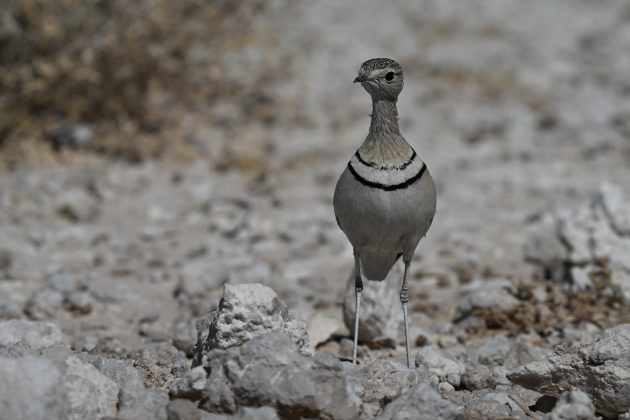
Double-banded Courser
Practical Tips
- Birding is good year-round; early mornings are best for active species.
- Bring quality binoculars and a spotting scope for raptors and waterbirds.
- Wear light, breathable clothing, a hat, sunglasses, and sunscreen.
- Stay hydrated and carry plenty of water and snacks, especially in remote areas.
- Stick to roads and trails to protect fragile habitats.
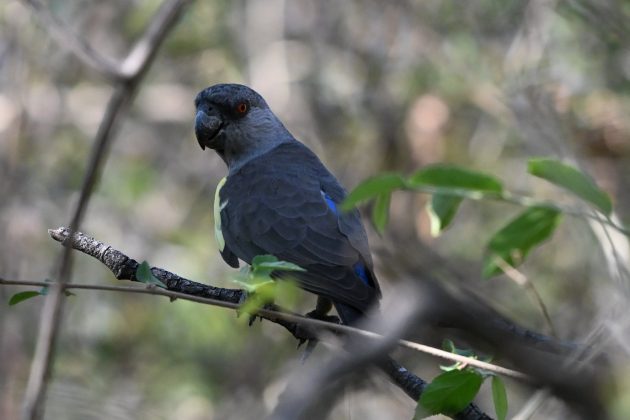
Ruppell’s Parrot
Books
- Field Guide to Birds of Greater Southern Africa by Keith Barnes, Terry Stevenson, and John Fanshawe
- Roberts Bird Guide by Hugh Chittenden, Greg Davies, and Ingrid Weiersbye(Second Edition)
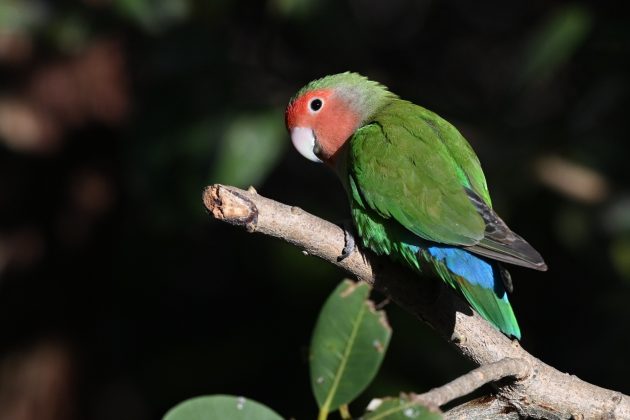
Rosy-faced Lovebird
Links
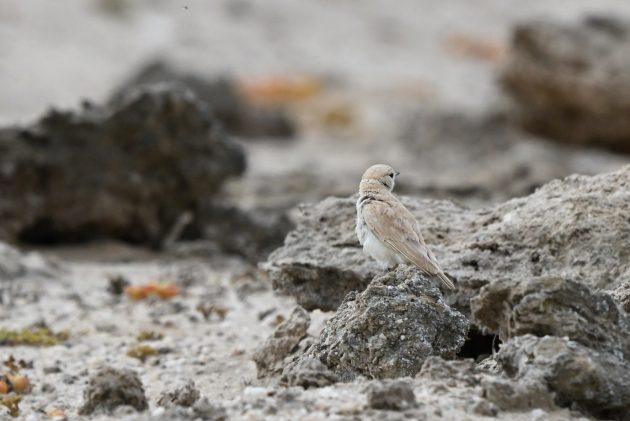
Gray’s Lark
By Nick Buys
Nick Buys is a wildlife veterinarian and professional guide with extensive experience across southern Africa. He creates conservation-focused wildlife experiences, sharing his deep knowledge of ecosystems, birds, and mammals while inspiring guests to appreciate and protect natural heritage. He can be reached at nick@naturetravelbirding.com
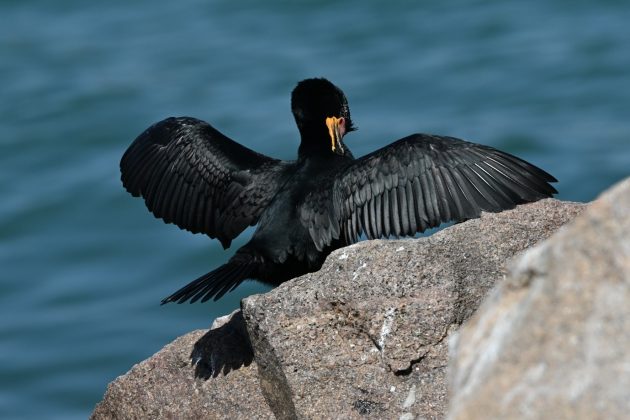
Crowned Cormorant








I spent a total of two years in Namibia in the late 90s and am happy to read that this incredible country is still very much the same amazing birding destination it was back then.
This is an excellent summary that brought back many of my most precious memories. Thank you for this, Nick!
Be aware that Namibia is vast and that travel will take a lot of time.
Good timing…
Last week, I was killing some time during a really annoying and frustratingly long period of extremely dysfunctional connections between my project and “ordinary” governmental, economic, and societal services, by researching a strongly desired future trip to Namibia. And, of course, I spent a lot of that time by examining the fun birding possibilities and their locations. 🙂
This trip would need to be a few years in the future, however, in order to coincide with the other primary reason that I want to go there. Nevertheless, I will remember this post and return to it when the time is right!
Hi Nick, nice to see you here
What a dream of mine!