
By Kelly Isley
Kelly Isley is the author of Amazing Hummingbirds You Can Find in Arizona and a photographer with a background in aerospace engineering, specializing in the hummingbirds that inhabit the Southwest.
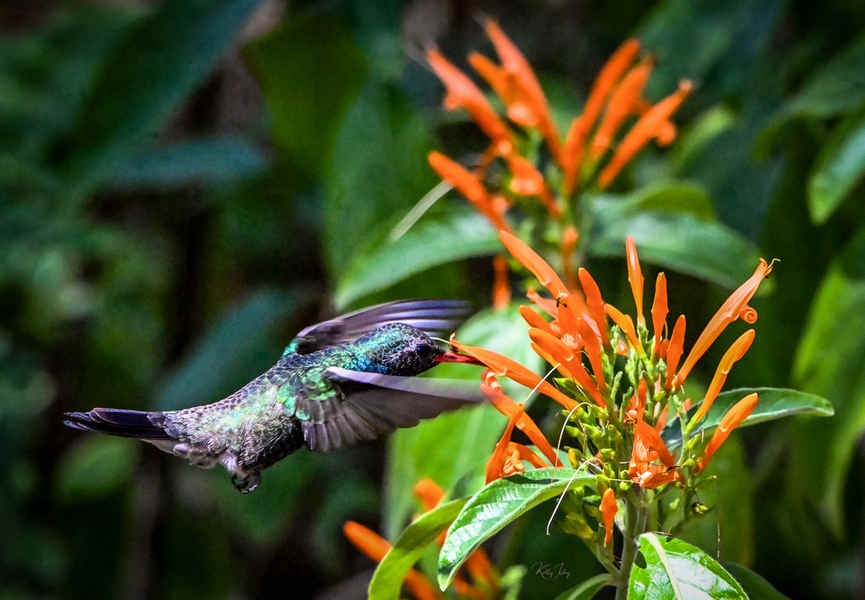
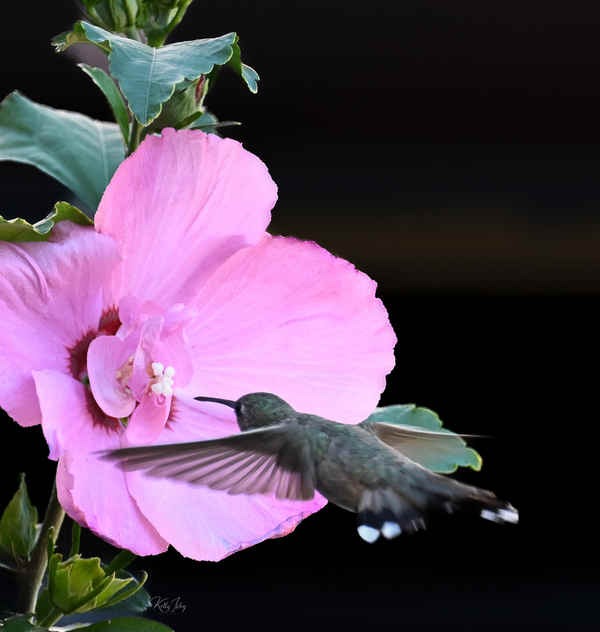
Few sights in nature match the wonder of a hummingbird hovering in midair, its wings a blur as it feeds on nectar from a brilliant bloom. These iridescent “flying jewels” are not just beautiful—they play an essential ecological role as pollinators across North America. Hummingbirds connect habitats, move pollen between distant plants, and serve as key indicators of ecosystem health.
Yet hummingbird species face mounting threats – the most significant being habitat loss and degradation. Follow along as we explore simple strategies that anyone can implement to help protect these petite wonders of nature.
From Backyards to Conservation Corridors
One powerful conservation strategy begins not in a vast forest or preserve, but right at home—in our own backyards. Alice Madar, Executive Director of the International Hummingbird Society (IHS), emphasizes that all species of hummingbird benefit from a yard filled with native, nectar-producing flowers. Gardeners enjoy another feature of hummingbird-sustaining flowers: many of them are deer, rabbit, and javelina resistant. In general, hummingbirds will gravitate toward red or orange trumpet-shaped flowers. In the U.S. and Canada, native salvia, agastache, penstemon, monarda, and lonicera (honeysuckle) are great options for a backyard garden. It is essential to seek out species as close to native as possible for the area where gardeners plant them. Do you need inspiration? The National Audubon Society has a clever database that can help find bird-friendly native plants.
Feeding, Water, and Safety
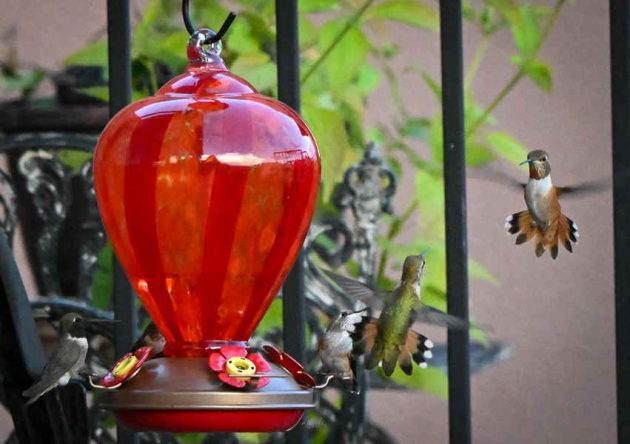
Supplementing flowers with feeders is another impactful yet straightforward way to support local hummingbird populations. A classic nectar recipe—one part white sugar to four parts water—closely mimics natural flower nectar. It’s crucial, however, to avoid dyes and artificial sweeteners, and to change the nectar as often as every day during the summer heat to prevent fermentation. Remember that feeders should be cleaned regularly with vinegar or mild soap and rinsed thoroughly. It is also good practice to place feeders in partial shade to slow spoilage and prevent mold growth.
Madar reminds gardeners that water is equally vital. “Moving water is essential. Hummingbirds are attracted to small, shallow water features, such as bubbler fountains or ponds with a slow waterfall, for drinking and bathing,” she says. Misting systems or small sprinklers can also provide relief during extreme heat, while avoiding stagnant water helps prevent mosquito breeding.
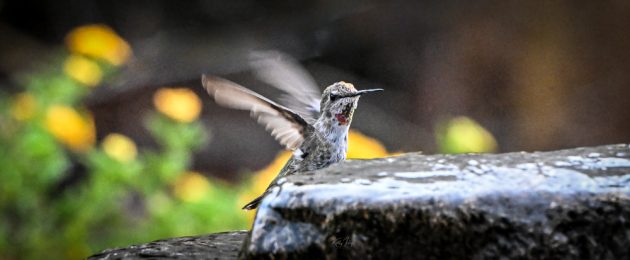
Safety is another key to hummingbird conservation. Domestic cats remain the leading human-caused source of bird mortality in North America, killing an estimated 2.4 billion birds annually. Keeping cats indoors—or creating secure outdoor “catios”—protects both wildlife and pets. Gardeners should also steer clear of pesticides, which can contaminate nectar and eliminate the small insects that hummingbirds rely on for protein.
Creating Certified Hummingbird Havens
The Certified Hummingbird Garden Program, created by the International Hummingbird Society, encourages residents to formalize their conservation efforts by establishing hummingbird-friendly spaces. The program promotes the use of native plants, safe nesting habitats, and clean water sources, turning ordinary gardens into part of a continent-wide network of safe havens. As Madar notes, “When someone certifies their garden, they foster an environment that supports hummingbirds as well as other wildlife – they are creating a mini eco-reserve.”
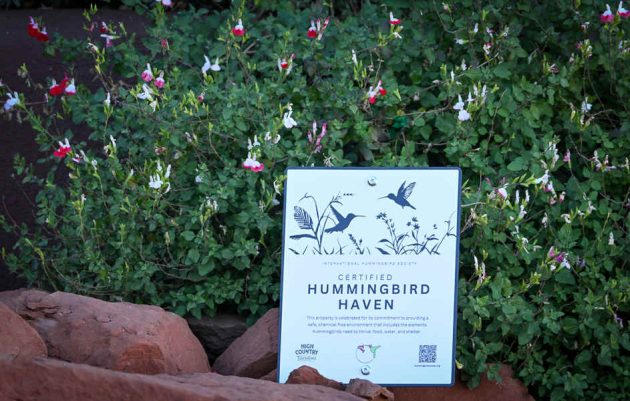
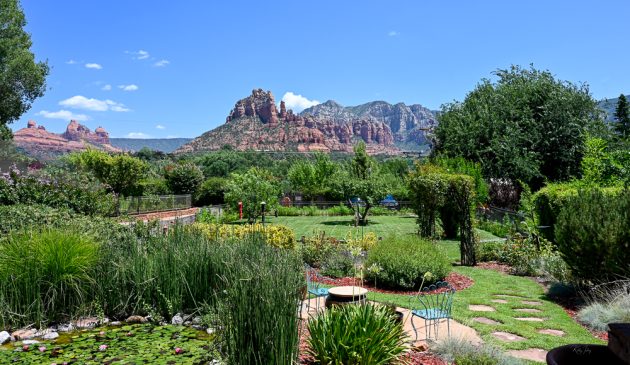
Beyond their immediate ecological value, certified gardens also serve as powerful community education tools, inspiring schools, neighborhoods, and local organizations to join the movement. Each garden—whether a small patio plot or a sprawling desert landscape—acts as a “rest stop” for hummingbirds along their migration routes, helping sustain them between natural feeding grounds.
A Shared Responsibility
All hummingbird species in the United States remain protected under the federal Migratory Bird Treaty Act (MBTA), a law that reinforces their ecological importance. Still, laws alone can’t safeguard these tiny fliers without grassroots participation. Every feeder, native plant, and pesticide-free patch of habitat contributes to a larger tapestry of conservation action.
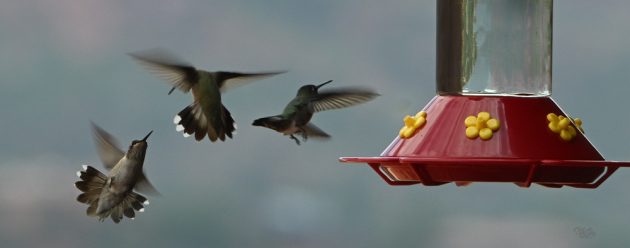
Hummingbirds remind us how delicate—and interconnected—our natural systems truly are. They weigh less than a penny, yet their survival depends on landscapes stretching from Alaska to Mexico. Even if you can’t plant a garden, you can still make a difference: participate in citizen science programs such as eBird or Christmas Bird Counts, donate to conservation organizations, or volunteer for local habitat restoration projects. By protecting, monitoring, and restoring the spaces that sustain them, we not only secure the future of these amazing birds but also strengthen the ecosystems that sustain us all.





I enjoyed how this article highlights the power of small, local actions adding up to a much bigger system-level impact. Just like in project management, a resilient network is built one reliable component at a time—whether that’s a clean feeder, native plants, or simply keeping pets indoors.
I like the idea that each backyard can function like a “micro-node” in a larger conservation network. It’s a great reminder that thoughtful planning and regular maintenance don’t just keep projects on track—they can help protect these incredible birds too.
The author’s insights and amazing photographs encourage simple, but effective, methodologies that will benefit hummingbird environments. Well done!