

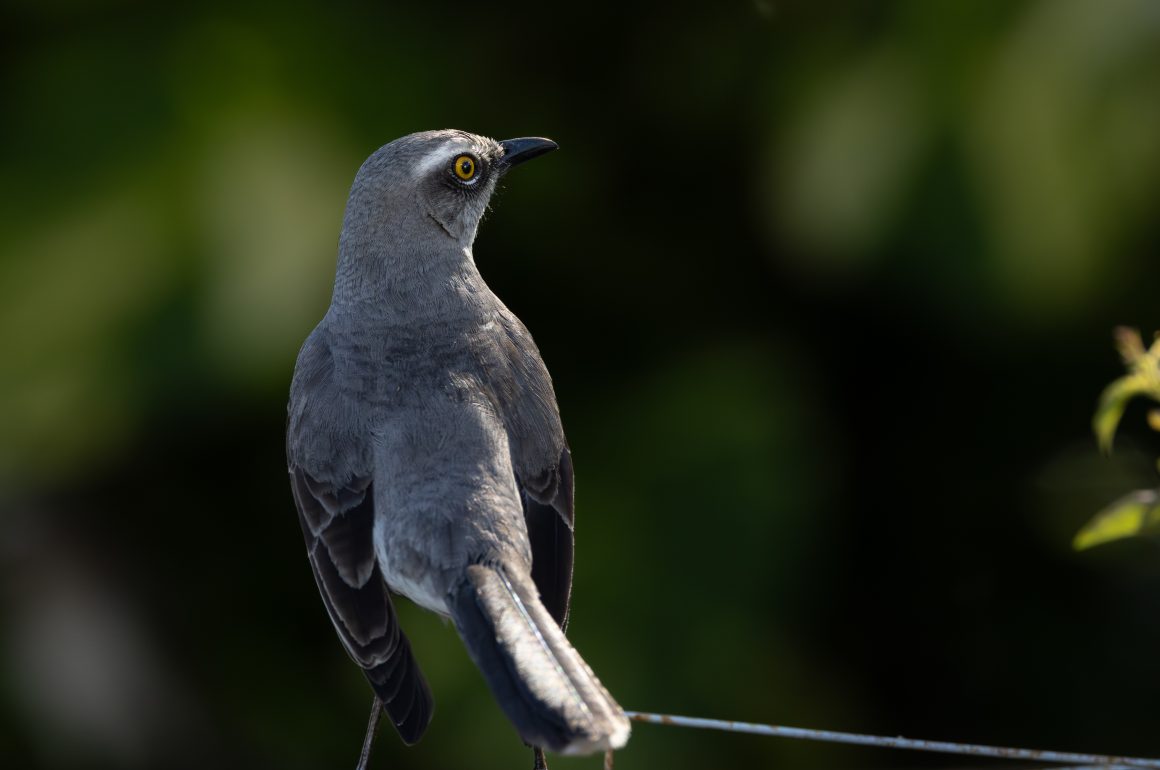
There is a thought that creeps in quietly when you are birding close to home, a moment when you recognise everything at once and almost dismiss it with a silent nothing special today.
I know it well, because I have had that thought myself, and I am never entirely comfortable admitting how easily it comes.
You step outside, onto a balcony, or along the same familiar stretch of road, and the birds are exactly where you expect them to be. There is no need for a guide. No pause to double check an identification. Just the usual cast, doing the usual things.
And that is often where we stop paying attention.
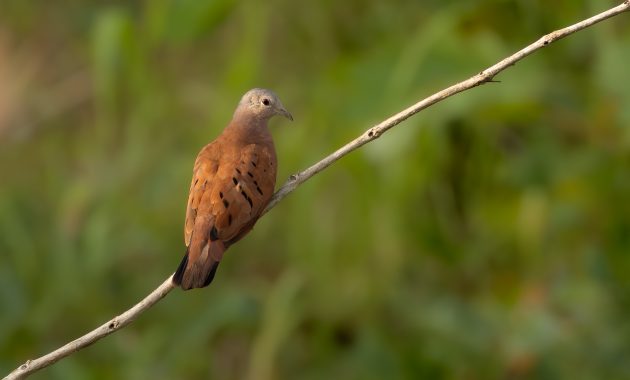
Somewhere along the way, the word common starts doing more than it should. It stops meaning frequently seen and quietly turns into a judgement. The birds have not changed at all, only our expectations have, and without really noticing when it happens, we begin to hold their familiarity against them.
Part of this comes from how we talk about birds. We celebrate the rare ones. The lifers. The unexpected appearances that interrupt an ordinary day and turn it into a story worth telling. There is nothing wrong with that. But when rarity becomes the main measure of value, the birds we live alongside every day begin to fade into the background.
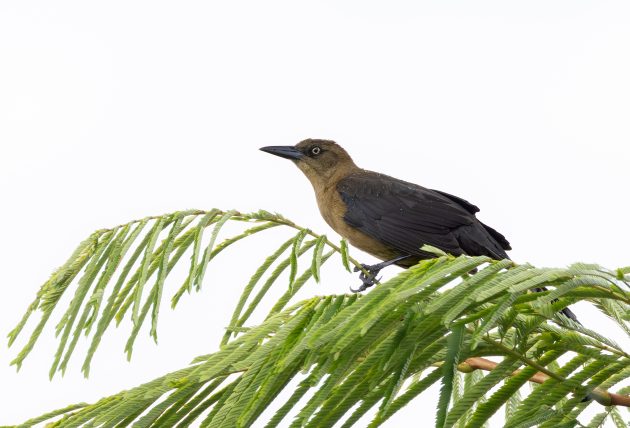
We identify them in seconds and move on. We tell ourselves we already know them.
But staying in the same place has a way of challenging that certainty.
If you linger a little longer, the checklist mentality starts to loosen its grip. You stop counting species and begin noticing behaviour. One bird always arrives first. Another hangs back. One uses the same perch every morning. Another watches you closely, head tilted, as if trying to work you out.
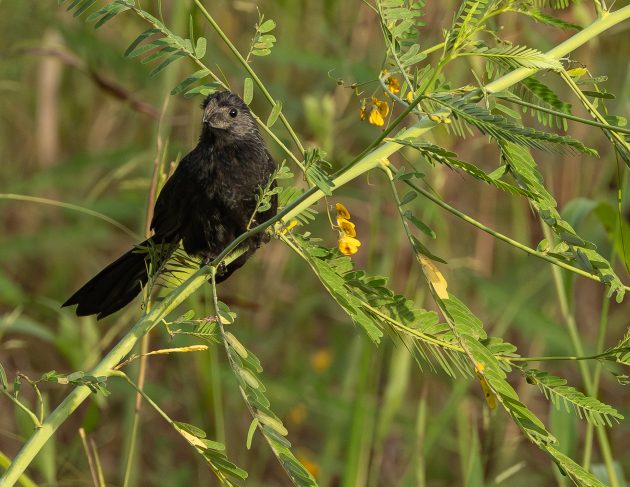
These moments do not announce themselves. They reveal themselves slowly.
The birds we call common are the ones that invite us into their daily lives. They show us how birds adapt to noise, buildings, heat, and people. They show us intelligence, patience, resilience, and personality, often in small and easily missed ways. Because they are always there, they give us the chance to truly understand them, if we allow ourselves to stay.
That is when the stigma begins to fall apart.
You realise that common does not mean simple. It does not mean dull. It does not mean unimportant. It simply means familiar, and familiarity only loses its value when we stop paying attention.
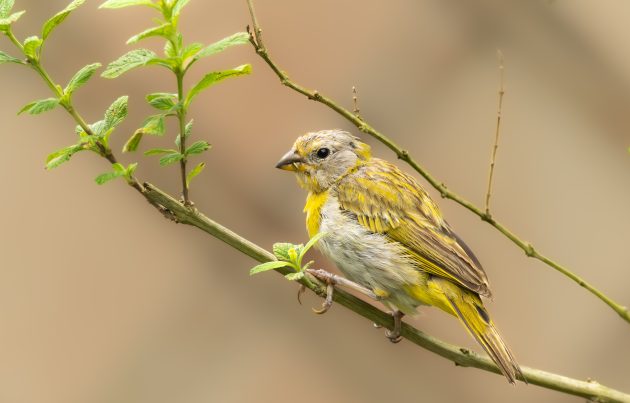
Local birding asks something different of us. Less chasing. More noticing. Fewer expectations of spectacle. More openness to what is already present. The birds outside your door are not placeholders until something better comes along. They are the experience.
If you give them your time, they give something back. A sense of rhythm. A deeper connection to place. And a quiet reminder that nature has not gone anywhere. It has been there all along, waiting for us to look again.








Great points! And that is exactly why I wrote the book Slow Birding to celebrate the common birds and to share some ways of appreciating them. If you know what is usually there even a common bird not seen in a few days is a delight.
Beautifully written. Fine insights. Hope to adopt your thoughts!
Thanks Joan — It’s so true how even a familiar bird feels special once you start really paying attention. I haven’t seen your book but I am now inspired to get a hold of it.
Thanks Mark — really glad this resonated and that the ideas struck a chord.