

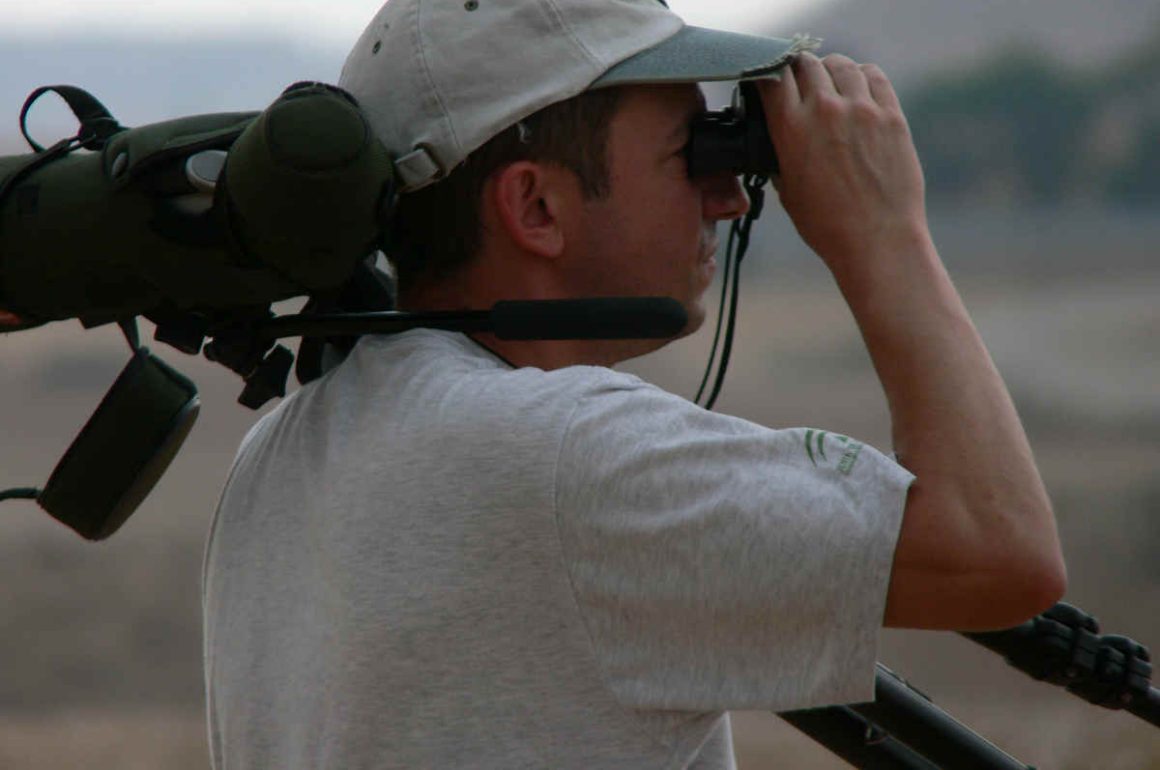
What is your favourite bird species?
I’m an avid watcher of bird behaviour, so to be honest, I don’t really have a favourite species. But I do have a favourite bird. About 20 years ago while I was counting the mass of migrating raptors for S.E.O. on the Strait of Gibraltar, a pure melanistic Montagu’s Harrier – a bird that many said didn’t even exist – flew within a few feet of me, so close that I didn’t even raise up my binoculars, and I could pick out any single one of the black velvet feathers that covered the entirety of its body. As it floated past shortly after sunrise, slowly and silently, it turned its head and looked me straight in the eyes. An experience I feel honoured to have been part of, and for me has never been bettered.
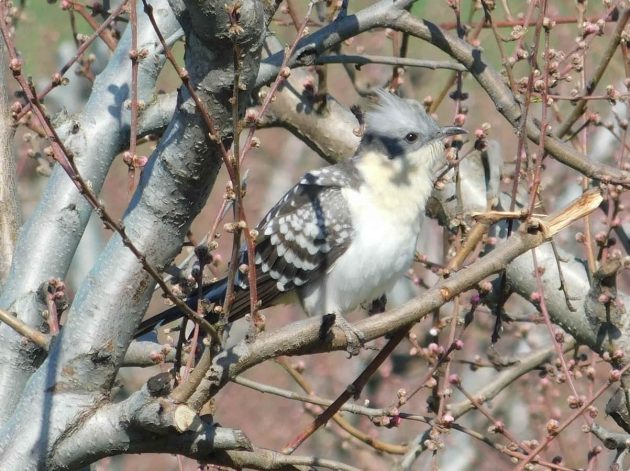
Great Spotted Cuckoo
What is your name, and where do you live?
Stephen Christopher, and I’m British.
Catalan Bird Tours Guides
What are the main regions or locations you cover as a bird guide?
I mostly run all-year-round, bespoke birding tours in Catalonia and Aragon, the region around Barcelona in N.E. Spain, but I occasionally guide trips to Andalucia and Navarra to the South and North-west.
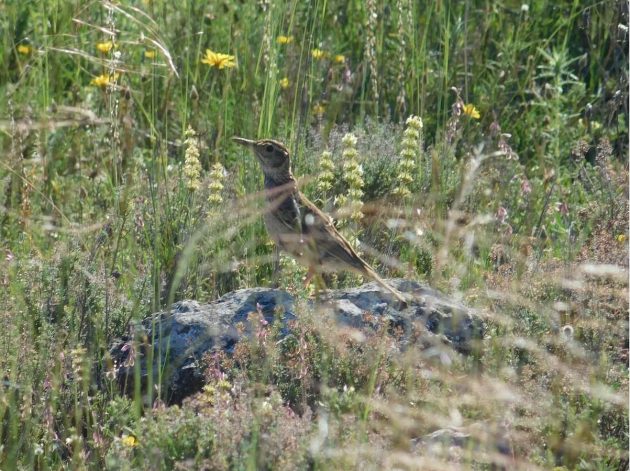
Dupont’s Lark
How long have you been a bird guide?
Since 2005.
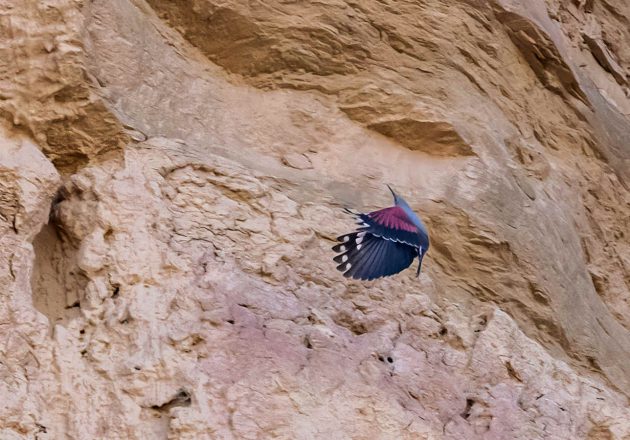
Wallcreeper (photo: Klaus Dieter)
How did you get into bird guiding?
Too young to be allowed out alone, as a child with my brother we used to build special contraptions to feed the birds in our garden. We would test each species to see which were smart enough to pull out matchsticks to release peanuts from a chute made from a toothbrush container. Some solved it themselves, some copied their competitors – and Starlings just smashed the whole thing to pieces!
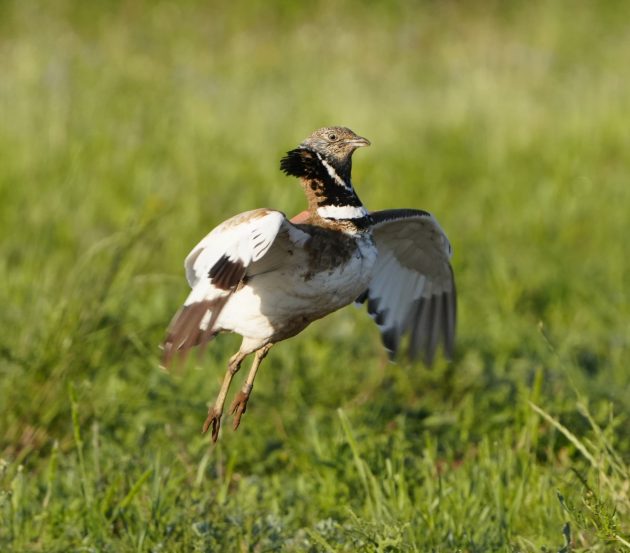
Little Bustard (photo: Roger Casalinas)
What are the aspects of being a bird guide that you like best? Which aspects do you dislike most?
Catalonia has a wider range of habitats than anywhere else of equal size in Western Europe, which makes it such a generous place to go looking for birds. I absolutely love showing this to people from around the world. But I do not like the admin it takes to get them here.
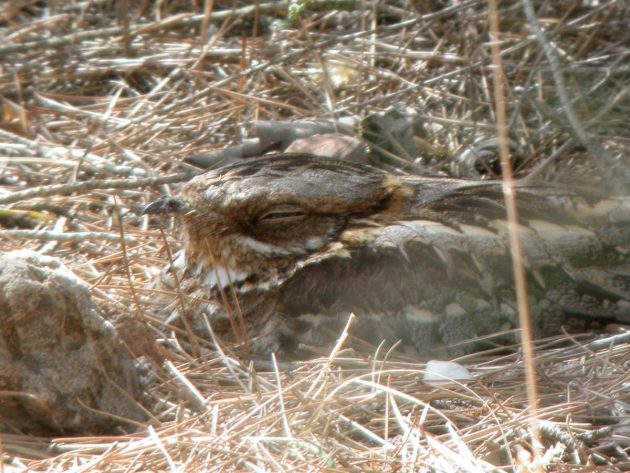
Red-necked Nightjar
What are the top 5-10 birds in your region that are the most interesting for visiting birders?
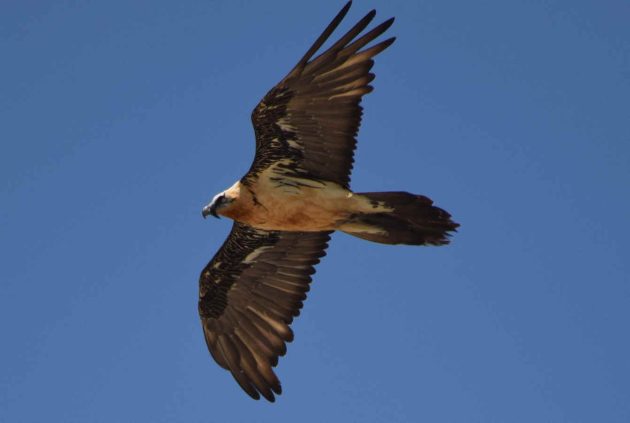
Well, what’s ‘interesting’ is very personal for everyone; it depends where they come from and what’s new for them, doesn’t it? The most ‘popular’ are Wallcreeper, Dupont’s Lark, Lammergeier (or Bearded Vulture), Iberian Woodpecker, Iberian Grey Shrike, the bustards, the sandgrouse, White-winged Snowfinch, Red-necked Nightjar and Black Wheatear. But just seeing them isn’t enough. It’s seeing them up close and sharing their interactions within their surroundings that really makes things interesting.
Lammergeier
Can you outline at least one typical birdwatching trip in your area? Please briefly describe the locations, the key birds and the approximate duration of such a trip.
For most, the grassland STEPPES of Catalonia and Aragon are about the raptors, using an off-road vehicle to track them. Vultures, eagles, harriers, hawks, kites and falcons hovering, quartering and soaring their way on all types of afternoon winds, themselves hunting an abundance of rabbits, birds and insects.
But the Steppes is always about the mornings, the domain of Spain’s most unique species specially adapted to survive in dry land habitats. Not just the classics – like the bustards, the sandgrouse, Stone-curlew, Dupont’s Lark and thousands upon thousands of Common Crane – but also shrikes, Roller, Great Spotted Cuckoo, Red-billed Chough and daytime roosting owls and Red-necked Nightjar. And then there are micro-habitats on its fringes providing homes for Wallcreeper, Iberian Woodpecker and Common Kingfisher. But still it’s all about the mornings, as I said, and that begins with an orchestra of every species of lark singing over, under and side by side with each other, all at once to fill the skies and bush-tops, at first in darkness but then rising with the warmth of the sun to welcome us all to a new birding day. And with all stomachs already pointed towards a picnic lunch!
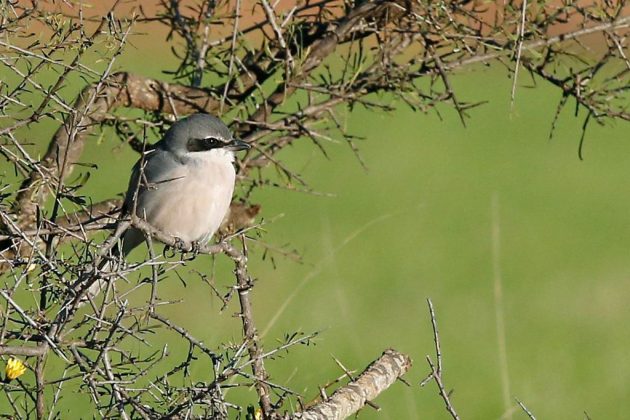
Iberian Grey Shrike (photo: Michael Nott)
What other suggestions can you give to birders interested in your area?
To contact me, of course!
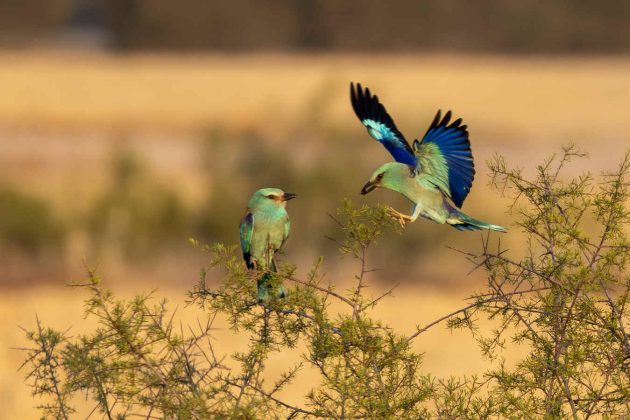
Rollers (photo: Klaus Dieter)
If any readers of 10,000 Birds are interested in birding with you, how can they best contact you?
What a good question. Well, if they don’t fancy perusing the pages of www.catalanbirdtours.com, they can email me directly with any requests at Catalanbirdtours (at) gmail.com for a friendly, no-obligation reply. They can also WhatsApp me on [00 34] 636 271695.
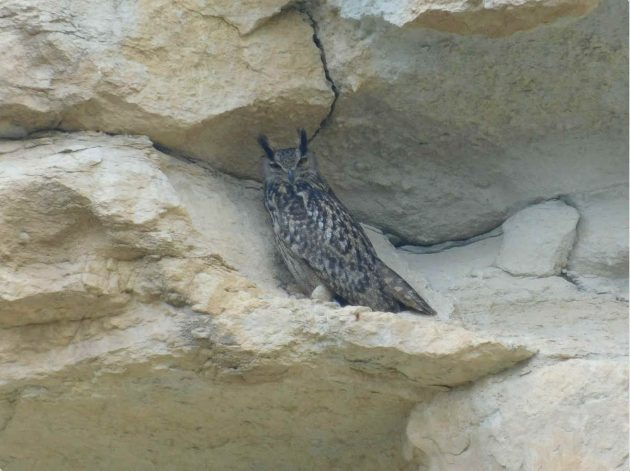
Eagle Owl
Is there anything else you would like to share with the readers of 10,000 Birds?
Of course, yes. Firstly, I am a qualified zoologist and like very much to chat about the natural history, ecology and behaviour of the species we encounter. I use an all-terrain vehicle to gain deeper access to the countryside and a closer proximity to birds, ideal for observing or photographing. But absolutely essential to my extremely high success rate with highly sought-after species is the fact that we base ourselves in one location for the duration of the trip rather than rely on nightly switches between hotels. So it’s so much more relaxing! Plus. The flexibility to choose the itinerary on a daily basis, according to anything from whim to the weather forecast, means we never have to go somewhere just because it’s on the schedule. The high-altitude Pyrenees to the lowland Steppes to the wetlands of the Ebro Delta on the Mediterranean coast are all possible within an hour or so because Catalonia is not only so small, but it also has a fantastic road network to take you to that wide variety of habitats I was talking about. I look forward to meeting you there.
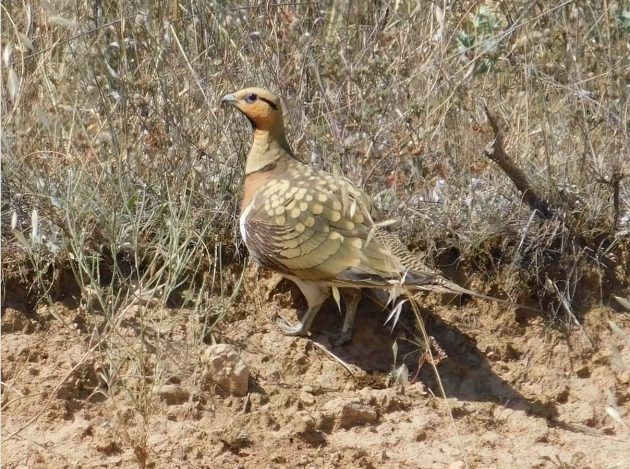
Pin-tailed Sandgrouse





Leave a Comment