

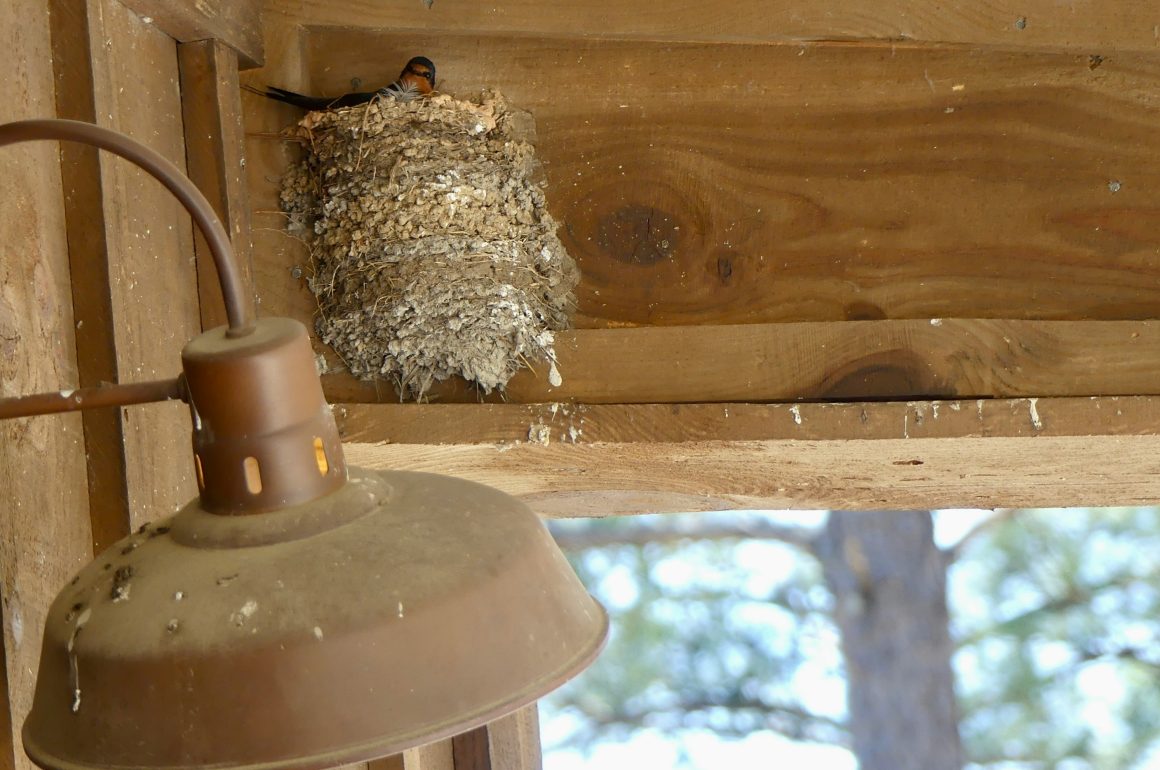
For millions of years, birds that couldn’t dig their own burrows relied on a narrow set of natural features to nest safely, like cliff ledges or hollow trees. When humans began building upward with stone and timber, several species adapted to use those structures instead, and the arrangement worked reasonably well for centuries.
However, this arrangement has begun to break down in recent times, as changes in construction materials and renovation practices have gradually closed off the spaces birds have come to depend on.
Chimney Swifts and the Decline of Masonry Chimneys
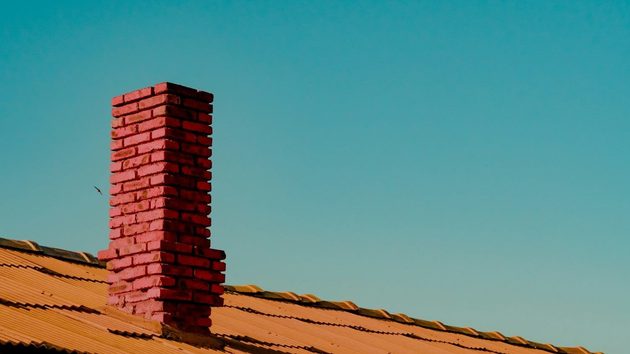
The Chimney Swift is a clear example of this accidental partnership. This species historically nested in hollow trees and rock crevices, but as those habitats disappeared across the eastern United States and Canada, Chimney Swifts adapted almost entirely to brick and masonry chimneys, gluing twig nests to the interior walls with their own saliva.
Similar patterns appear in cities around the world, where urbanization has changed where birds can nest and pushed some species toward buildings and other human-made structures. As buildings are modernized, cavities, ledges and rough surfaces can be sealed or altered, reducing the nesting spaces that those species had come to use.
This adaptation helped the species survive for generations, but it also made Chimney Swifts dependent on a type of home architecture that is becoming less common. The Cornell Lab of Ornithology has tracked a 74% population decline in Chimney Swifts between 1966 and 2023, enough to place the species on the Orange Alert list of tipping point species in the 2025 State of the Birds report.
Masonry chimneys are slowly becoming less prevalent in newer homes, and the ones that remain are increasingly capped for safety or energy efficiency, closing off the very structures the birds have come to depend on.
Hidden Swift Nests in Renovated Buildings
Europe’s Common Swift tells a similar story, though its nesting crisis is unfolding through a different kind of building change. Common Swifts wedge their nests into cavities and cracks in building facades and rooflines, spaces that were never designed with birds in mind but happened to be just the right size and shape.
Modern renovation work, especially the kind involving external thermal insulation to improve a building’s energy efficiency, seals those cracks without anyone realizing a nest was ever there. A recent study out of Rennes, France, used video monitoring to detect swift activity on buildings scheduled for renovation, and found far more active nests hidden in the facades than a standard visual inspection would ever catch.
House Martins and the Problem With Smooth Building Surfaces
The House Martin runs into a subtler version of the same problem. This species builds cup-shaped mud nests directly onto exterior walls, typically tucked under eaves where a roof overhang offers some shelter from rain. This construction method depends entirely on having a rough enough surface for mud to stick to.
Research on House Martins in Germany notes that very smooth surfaces can hinder the construction of natural nests, while artificial nests may help the birds use facades that would otherwise be unsuitable for mud nests. This design trend, aimed at clean lines and low maintenance, can remove the rough surface grip that a House Martin’s mud nest needs to hold together.
Peregrine Falcons in Urban Architecture
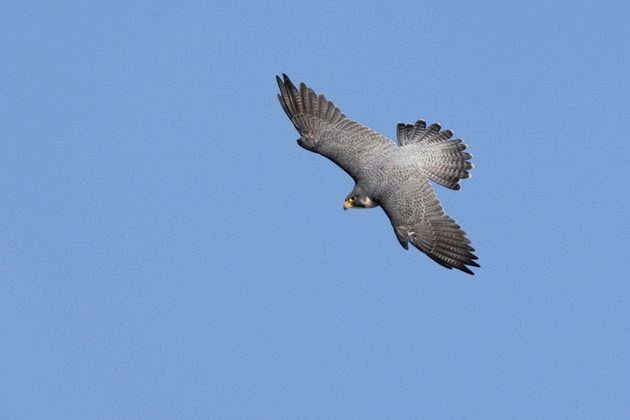
The Peregrine Falcon naturally nests on high cliff ledges, and it turns out a skyscraper ledge or a bridge girder works almost as well. Researchers with the Midwest Peregrine Society have documented falcons nesting on buildings and bridge structures across cities like Minneapolis, sometimes requiring window-washing equipment just to reach and band the chicks living dozens of stories above street level.
The falcon’s success is a hopeful story, but it’s also a reminder of how much luck was involved. These cliff-nesting birds happened to need the kind of high, relatively undisturbed ledges that tall buildings can provide. Swifts, martins and swallows weren’t nearly as lucky in what modern buildings decided to offer them instead.
How to Protect Birds Nesting on Your Property
If you notice birds nesting somewhere on your house this spring, it’s worth pausing before reaching for a ladder. The Migratory Bird Treaty Act protects many native bird species in the U.S., covering more than a thousand different birds, including Chimney Swifts, Barn Swallows and Purple Martins, and disturbing an active nest can carry real legal consequences even when it’s accidental.
A wildlife professional can confirm whether a nest is protected and, if it is, wait out the short window until the young birds have fledged before any repair work continues. This patience costs a homeowner very little, and it might be the only reason a given nesting site survives long enough for the birds to come back next year. Taking these steps is especially worthwhile, given that birds contribute to a healthy environment.
Making Bird-Friendly Building and Renovation Choices
The architectural choices behind this crisis were rarely made with birds in mind, which is why the damage has been so easy to miss — and why it may still be possible to fix. Reversing the damage starts with builders and renovation crews factoring one more consideration into decisions they’re already making, while homeowners and bird lovers pay close enough attention to notice when a nest is quietly depending on the very feature someone’s about to remove.










Leave a Comment