

Highlights
Athens is arguably the most complete birding capital in the world, combining cultural significance, geographic position, and habitat diversity in a way no other city can match.
- Birdwatching takes place alongside world-famous landmarks such as the Acropolis of Athens, Cape Sounio, Marathon battlefield, uniquely blending biodiversity with global cultural heritage in a single experience.
- Its strategic position at the meeting point of Europe, Asia, and Africa places Athens directly on major migration routes, ensuring high seasonal diversity and constant interest.
- A remarkable range of habitats—wetlands, coastlines, mountains, forests, and Mediterranean scrub—can all be reached within a short drive from the city center.
- The mild Mediterranean climate allows for productive birding throughout the year, without strong seasonal limitations.
- Most birding locations are easily accessible and free of charge, making independent exploration simple and efficient.
This combination makes Athens an unmatched destination for a birding city break and an ideal base for exploring the rest of Greece.
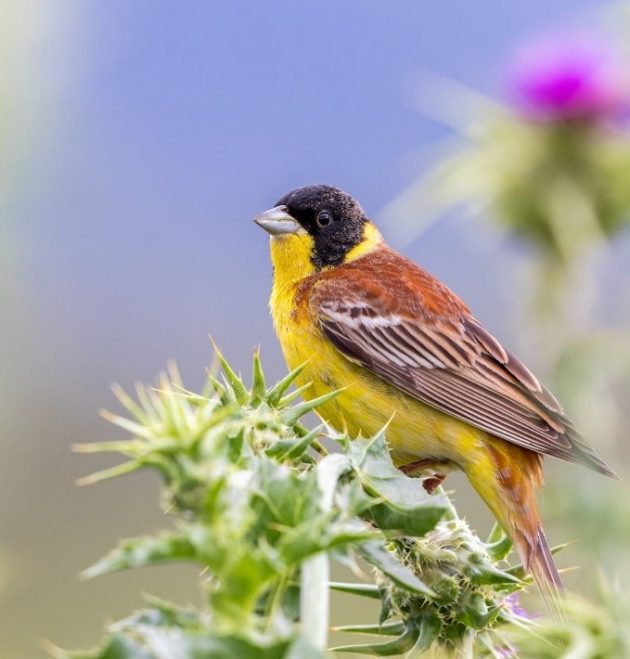
Black-headed Bunting comes from India every May and breeds in vineyards
Key Bird Species and Families
Attica hosts a strong mix of Mediterranean specialties and widespread European species.
Notable species include: Ferruginous Duck, Scopoli’s Shearwater, Yelkouan Shearwater, Little Bittern, Long-legged Buzzard, Lesser Kestrel, Red-footed Falcon, Eleonorae’s Falcon, Slender-billed Gull, Great Spotted Cuckoo, Scops Owl, Hoopoe, European Bee-eater, Roller, Syrian Woodpecker, Red-breasted Flycatcher, Sombre Tit, Eastern Olivaceous Warbler, Eastern Orphean Warbler, Eastern Subalpine Warbler, Sardinian Warbler, Rüppell’s Warbler, Moustached Warbler, Eastern Black-eared Wheatear, Blue Rock Thrush, Western Rock Nuthatch, Woodchat Shrike, Lesser Grey Shrike, Cirl Bunting, Cretzschmar’s Bunting, Black-headed Bunting
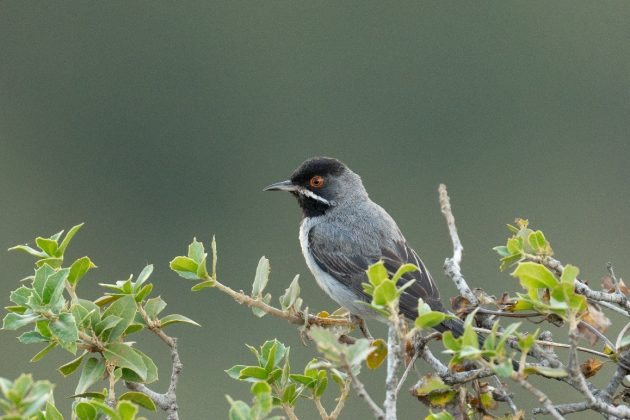
Rueppell’s Warbler, a rare spring breeder of Mt Hymettus
Best Regions for Birding
- Mt Hymettus
Excellent for Mediterranean scrub species, raptors, and spring migration. - Mt Penteli
Key site for Kruper’s Nuthatch, woodland birds, and the occasional Wallcreeper in winter. - Schinias National Park
One of the most important wetlands in Attica, combining lagoon, pine forest, and coastal habitats. - Spata / Mesogeia plains
Open farmland with shrikes, larks, and seasonal migrants. - Erythres area (West Attica)
Less-visited, productive area for raptors, buntings, and steppe-like species. - Mt Parnitha
Warblers, Wheatears, Thrushes, and woodland species - Oropos Estuary
Shorebirds, gulls, and passerines on migration
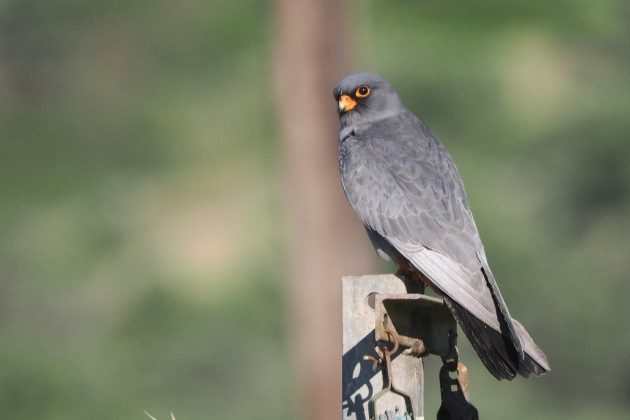
Red-footed Falcons are regular spring migrants
Best Birding Season
- Spring (March–May): Peak migration and breeding activity. Best overall season.
- Autumn (September–October): Good migration, especially for raptors and passerines.
- Winter (December–February): Ideal for wetlands, with waterfowl and occasional rarities.
- Summer (June–August): Hot but productive for breeding specialties and seabirds.
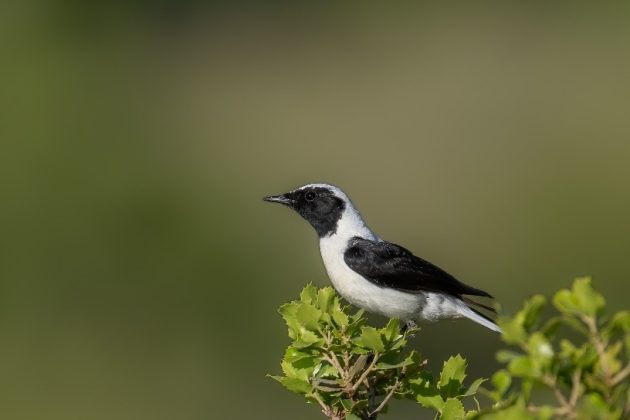
Eastern Black-eared Wheatear is breeding in the rocky hills around Athens
Birding Trip Suggestion(s)
3-day short birding trip based in Athens:
Day 1: Morning at Schinias National Park (wetland species, waders, herons). Afternoon in nearby hills for shrikes and warblers
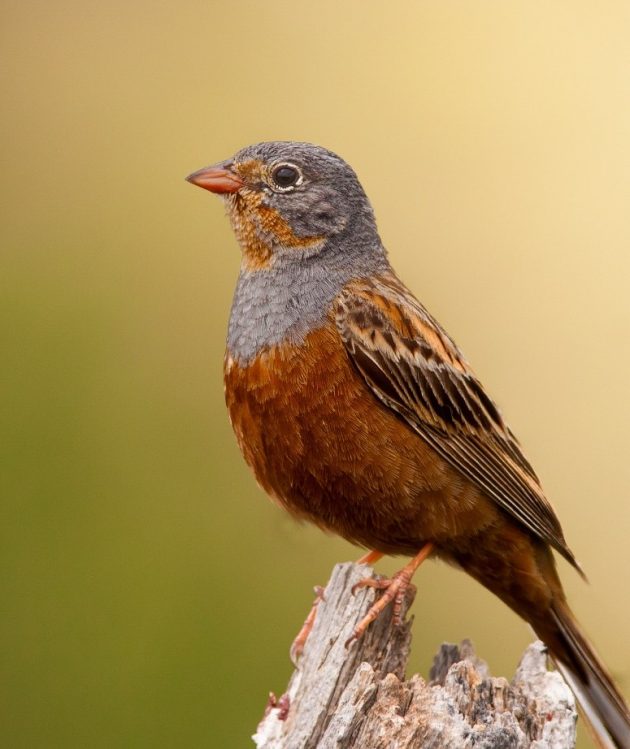
Cretzschmar’s Bunting, a stunning summer breeder of Mt Parnitha
Day 2: Mt Hymettus for buntings, warblers, and woodland species. Optional visit to quarry areas for Wallcreeper (winter). Afternoon coastal birding (Marathon or Rafina)
Day 3: Mesogeia plains (Spata) for open-country birds. Mt Parnitha for raptors and Mediterranean scrub species
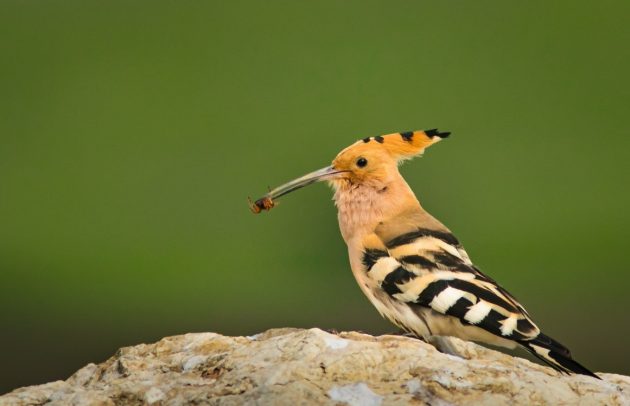
Hoopoes can be seen even at the National Garden, Athens city center!
Optional extension: Full-day trip to West Attica (Erythres) for a more remote and diverse experience
Practical Tips
- A rental car is essential for efficient birding.
- Early morning and late afternoon offer the best activity.
- Long trousers, hiking shoes (no sandals), hat are all advised, all year long
- Summer temperatures can be very high; plan accordingly.
- Many sites are closed in case of excessive heat or winds due to the risk of fire. Always check Civil Protection’s Daily Fire Hazard Forecast Maps
- Combining birding with cultural visits (Acropolis, Temple of Artemis Vravrona, Cape Sounion, Marathon battlefield) is easy.
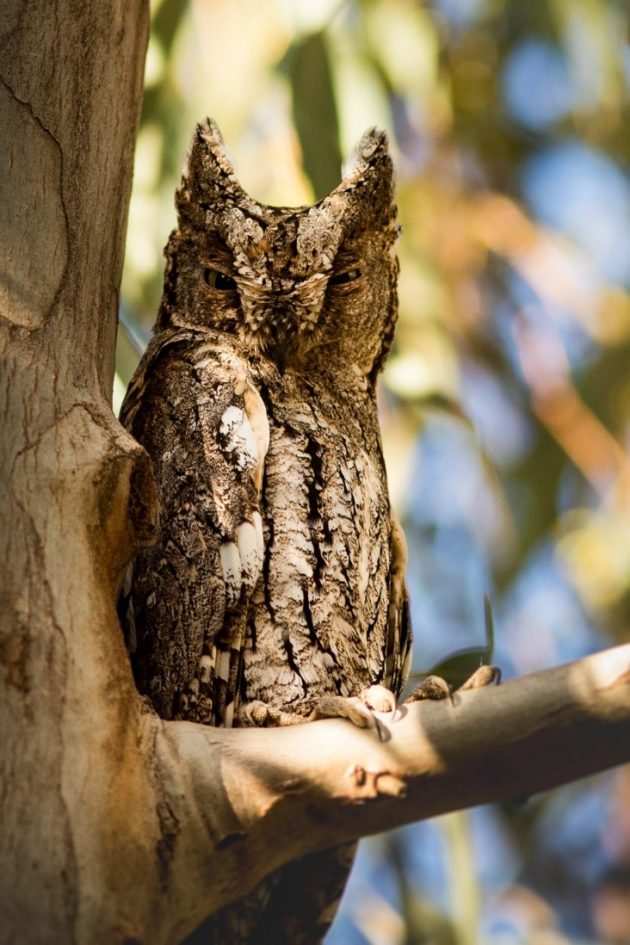
Scops Owl, a familiar sound during hot summer nights
Books
- Svensson et al, 2023, Birds of Europe, North Africa and the Middle East – Collins Bird Guide, Princeton University Press
- R. Nason 2020, Birds of Greece, Helm Field Guides
- P.Sterry 2000, Complete Mediterranean Wildlife, HarperCollins
Links
- www.greecebirdtours.com
- eBird (Attica region hotspots)
- Local ornithological society websites (HOS / Hellenic Ornithological Society) https://ornithologiki.gr/el/
By Spyros Skareas
Spyros Skareas is a professional bird guide based in Athens and the founder of Greece Bird Tours. With 20+ years of experience, he specializes in private birding experiences across Attica and Greece, focusing on high-quality guiding for international visitors. He can be reached at greecebirdtours@gmail.com
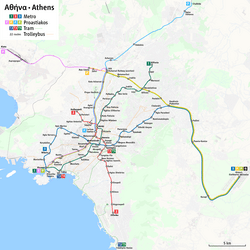
“Public transport map of Athens” by Maximilian Dörrbecker (Chumwa) is licensed under CC BY-SA 2.0.
All photos provided by Spyros Skareas.




Greece is great, though I know the north best. I was fascinated by Spyros’s mention of Kruper’s Nuthatch, a species that I thought was absent from mainland Europe, with its only European site the Greek island of Lesvos. Is this a new discovery?