

HIGHLIGHTS
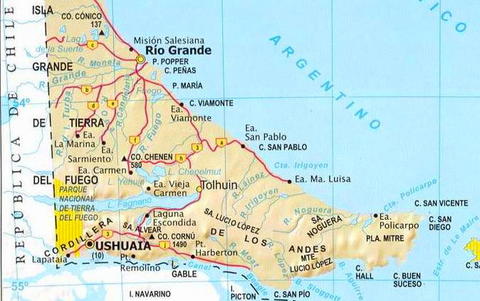
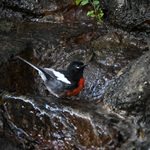
After visiting several countries beyond my place of residence, Tierra del Fuego —where I have lived since 1991— remains my favorite destination. From RIO GRANDE, an iconic site declared a Biosphere Reserve, one can witness the arrival of shorebirds that, after a 14,000?kilometer journey from the Northern Hemisphere, come here to breed. They are joined by the Magellanic Plover, a species that commands admiration at first sight, alongside the striking beauty of the Rufous?chested Dotterel.
This area marks the starting point toward CULLEN, where the birds of Tierra del Fuego meet those of Patagonia. After birdwatching in this region, the journey continues into a majestic landscape: from the open steppe, gradually transformed by increasing rainfall, to the transition into forests, lakes, and peat bogs, eventually reaching USHUAIA.
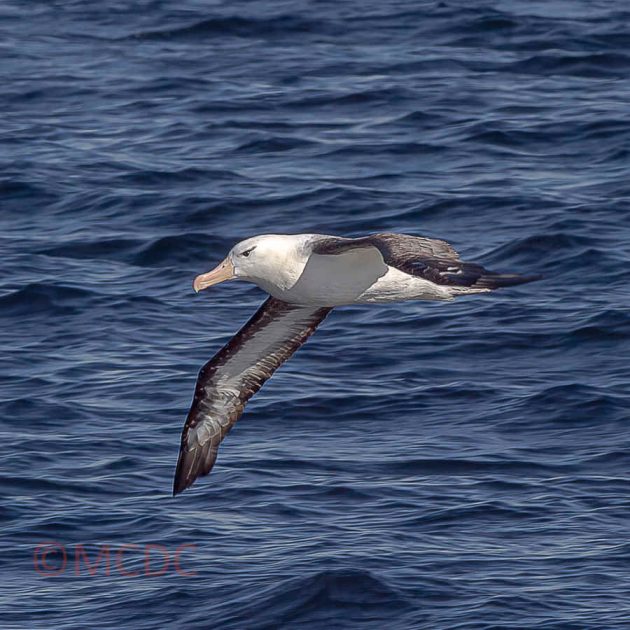
Here, forest birds delight observers before embarking on a voyage through the BEAGLE CHANNEL —one of the few places on the continent where three penguin species can be seen together: Magellanic, Gentoo, and King Penguins, along with other seabirds that often visit the area. During the navigation, beyond the breathtaking scenery, one is captivated by the unique flight of the albatross, completing an unforgettable experience.
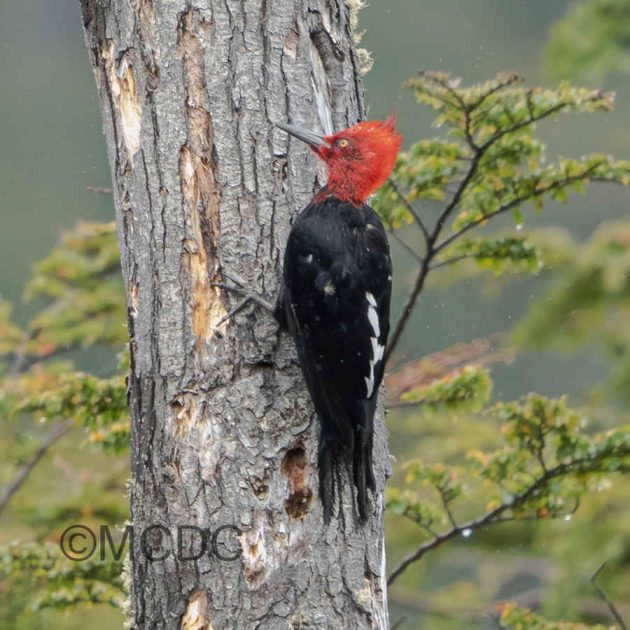
Magellanic Woodpecker
KEY BIRD SPECIES AND FAMILIES
- Magellanic Woodpecker – Walking through the Fuegian Andean-Patagonian forest is already a majestic activity, but it becomes truly elevated when you hear the hammering or the working sound of the Magellanic Woodpecker. In that instant, hearts begin to beat faster with surprise and the deep desire to see it.
- Magellanic Plover – It is a unique experience to search in the salty lagoons, which may or may not hold water. The Magellanic Plover clings to them for breeding, and from the gray tones of the ground emerges a silhouette with a faint white underside. Only when we look closer do we notice the eye coloration—red in adults and yellowish in juveniles.
- Andean Condor – Majestic in flight over mountains and valleys.
- Thorn-tailed Rayadito – Small, hyperactive, and charming, always darting among the branches.
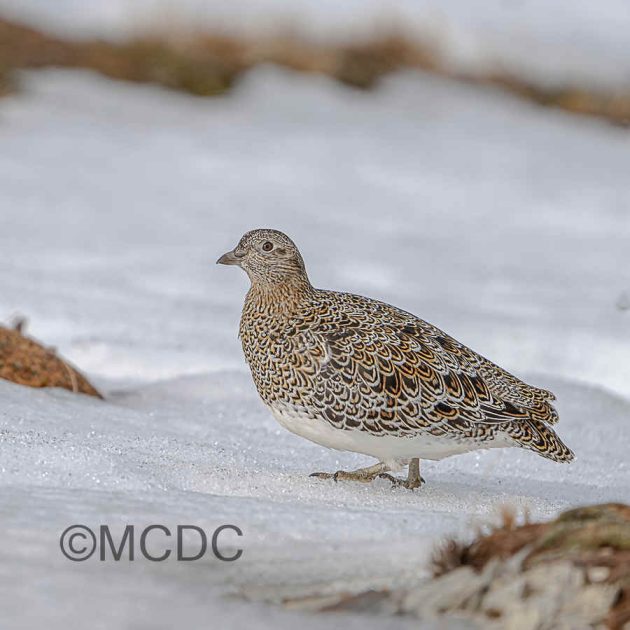
- White-bellied Seedsnipe – This species is remarkable—a combination of physical condition, skill, attentiveness, and behavior. It is so special that one can be just two meters away, and yet inexperienced birders might miss it. Even for the most seasoned observers, it remains a constant challenge.
- Magellanic Plover – Special in the salty lagoons, with red eyes in adults and yellowish eyes in juveniles.
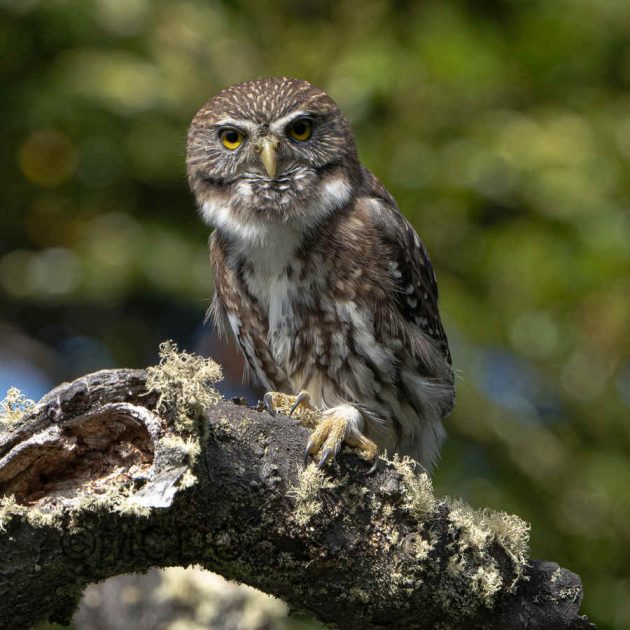
- Austral Pygmy Owl – This species is special—not only its gaze and its claws, each perfectly proportioned, but also its call, which attracts every bird in the area. It is always strategically hidden in just the right place, so it may not be seen, but perhaps only heard.
- Rufous-legged Owl – Walking in the forest at night is a beautiful experience, even more so in a cool temperate area when you hear a sound similar to that of a monkey in the middle of the darkness. That is the moment when its silent flight can be perceived—not heard, but blended as a silhouette with the sound—and then the magical owl appears.
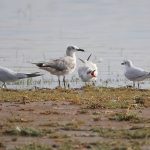
- Seabirds of the Coast – A variety of species taking advantage of low tides, from gulls to cormorants
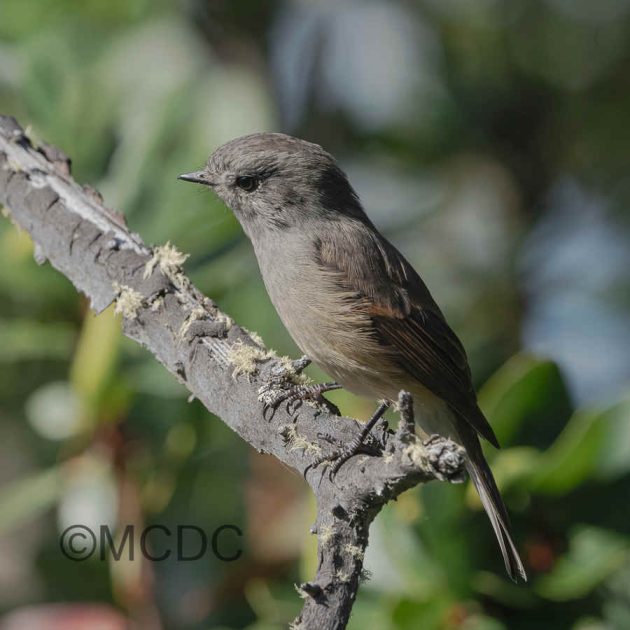
- Patagonian Tyrant
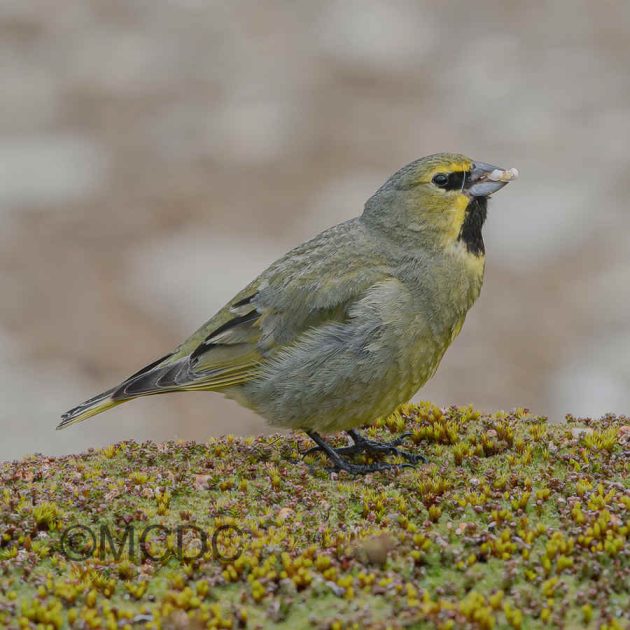
- Yellow-bridled Finch
- Black-browed Albatross
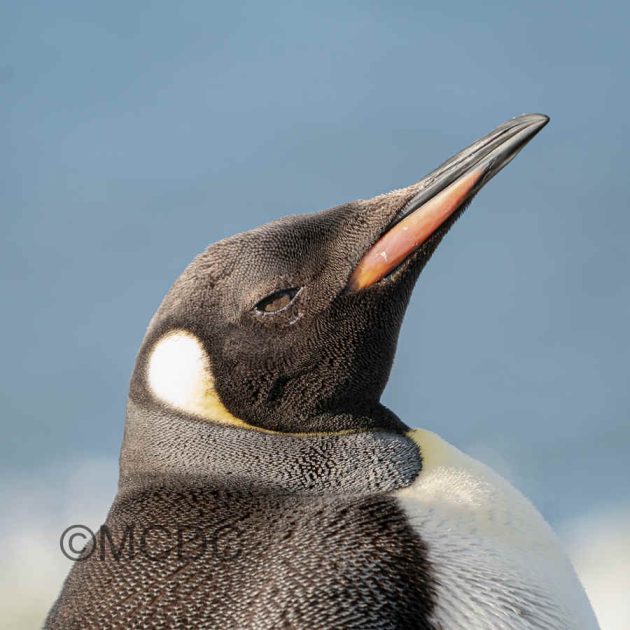
- King Penguin
- Fuegian Cinclodes
Austral Pygmy Owl
BEST REGIONS FOR BIRDING
- Tierra del Fuego National Park – A mosaic of forests, mountains, and coastal habitats, perfect for spotting Magellanic Woodpeckers, Austral Parakeets, and seabirds.
- Beagle Channel Navigation – Offers close encounters with cormorants, penguins, and sea lions, with dramatic views of the surrounding islands.
- Río Grande and surroundings – Known for steppe and wetland species, including the elusive White-bellied Seedsnipe.
- Almanza – A small fishing village on the coast, great for observing seabirds and enjoying local culture.
- Paso Garibaldi – A mountain pass with sweeping views, where Andean Condors are often seen soaring.
- Cullen – A remote area in northern Tierra del Fuego, rich in steppe birdlife and less visited by tourists.
Patagonian Tyrant
BEST BIRDING SEASON
The ideal season to visit Tierra del Fuego is from October to the end of April. Of course, each month has its own variations, with different species appearing as if they were “surfing” from the base of the mountains up to higher elevations, depending on the availability of food. This seasonal rhythm guides us in deciding where to look for them.
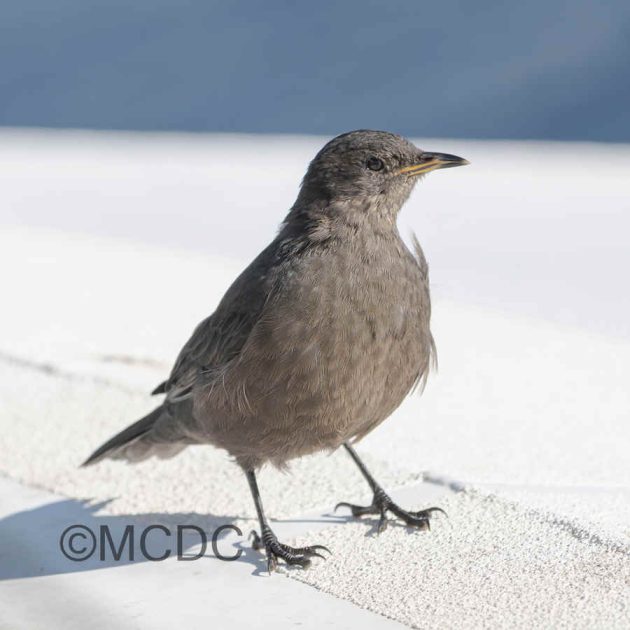
Blackish Cinclodes
BIRDING TRIP SUGGESTION(S)
The ideal amount of time to dedicate to birdwatching in Tierra del Fuego is often a matter of debate. Many visitors to Ushuaia, especially those heading to Antarctica, spend only a single day in Tierra del Fuego National Park. Yet the region offers a unique advantage: a balance between the diversity of species and the challenge of finding them, all framed by majestic landscapes.
The proximity of the Andean Patagonian forest and the steppe, particularly near the Atlantic Ocean, makes Tierra del Fuego an exceptional birding destination. Ideally, one should plan for a full week, including both sectors of the island, to truly appreciate its natural richness.
If time is limited, five days is the minimum recommended to enjoy a more complete experience. And for those seeking only a first glimpse — to observe at least three of Tierra del Fuego’s characteristic landscapes — two days are enough to capture its essence.
Yellow-bridled Finch
PRACTICAL TIPS
- Best time to visit: The prime birding season runs from late spring to early autumn (November to March), when migratory species arrive, and weather conditions are more favorable. Winter offers fewer species but unique opportunities to experience the stark beauty of the Fuegian landscape.
- Clothing and gear: Weather in Tierra del Fuego is highly variable, even within a single day. Layered clothing, waterproof jackets, and sturdy boots are essential. Binoculars and a spotting scope are recommended for observing shorebirds and seabirds, while a camera with a telephoto lens is ideal for capturing forest species.
- To make the most of your time and ensure a seamless experience, we recommend booking the full guiding and organizational service. This way, all logistics, birding sites, and navigation trips are arranged for you, allowing you to focus entirely on enjoying the birds and landscapes of Tierra del Fuego.
- For those who want to hike in the mountains, it is ideal to bring sturdy trekking poles.
King Penguin
BOOKS)
Birds of Argentina and the South-west Atlantic (Princeton Field Guides
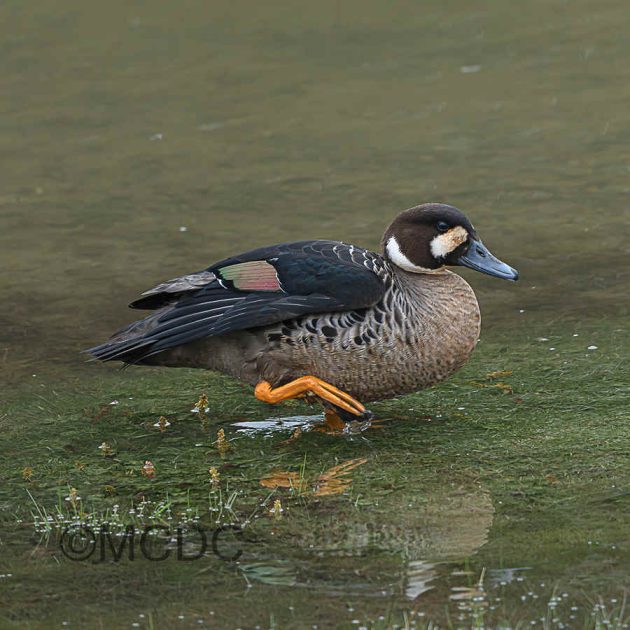
Spectacled Duck
LINKS
- Aves y Mamíferos de Tierra del Fuego – CONICET
- áreas protegidas tierra del fuego – Ministerio de Producción y Ambiente
- https://findelmundo.tur.ar/es/reservas-naturales/962
White-bellied Seed Snipe
By Marcelo Carlos de Cruz
Marcelo can be reached at +5492901414248 or magellanicush@gmail.com
Black-browed Albatross
“Mapa Província Tierra del Fuego, Patagonia Argentina.” by thejourney1972 (South America addicted) is licensed under CC BY 2.0.





Waders and woodpeckers are so cool!A Seed Snipe!