
Which bird species do you think is the biggest attraction to visitors of your lodge (please only name one species)?
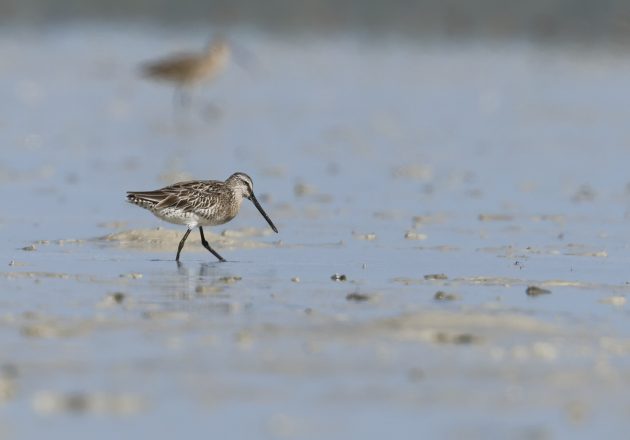
The Asian Dowitcher (Limnodromus semipalmatus). Roebuck Bay provides one of the most reliable places in Australia to see this highly sought-after bird, making it a major drawcard for visiting birders. We have up to a couple of hundred Asian Dowitchers that overstretch their migration and make Roebuck Bay their feeding grounds. We are lucky that we get some that overwinter and spend the whole year here before they begin migrating.
What is the name of your lodge, and since when has your lodge been operating?
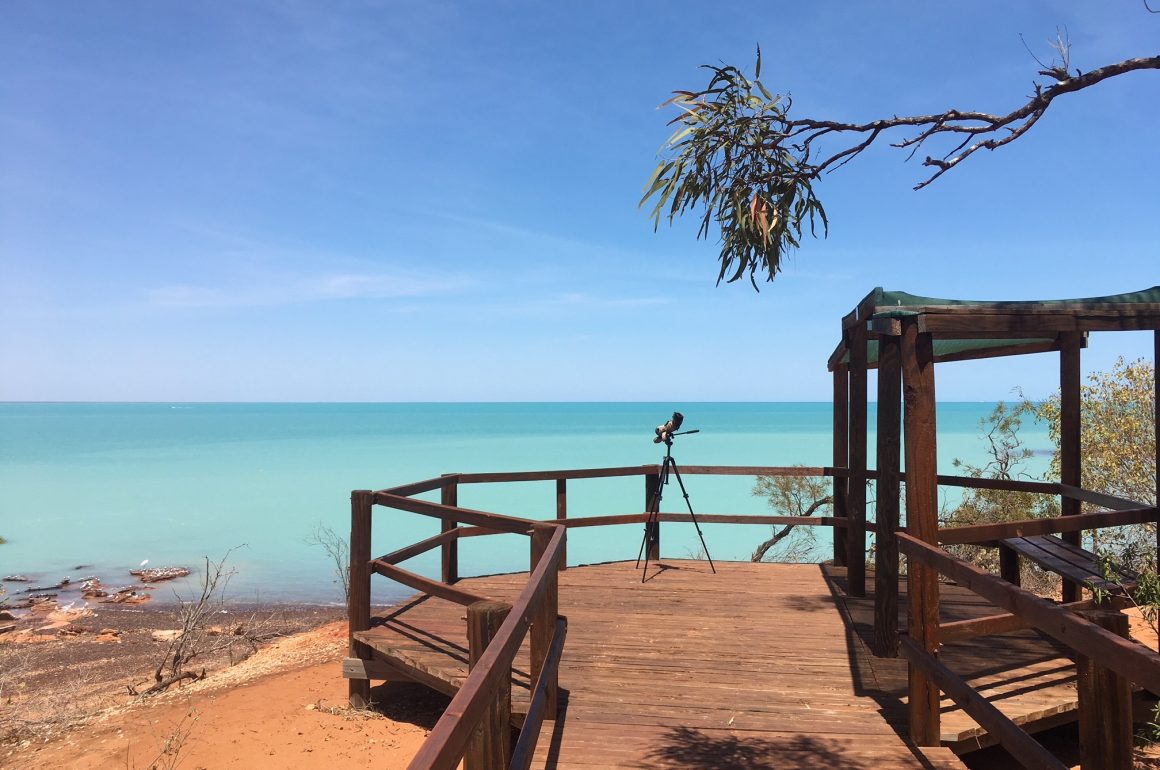
The Broome Bird Observatory (BBO) has been operating since 1988. Located on the spectacular shores of Roebuck Bay in north-western Australia, it is called the Shorebird Capital of Australia due to the upwards of 120,000 that migrate to the bay from Sept through to March. BBO is located only a 2-minute walk from the shores of Roebuck Bay, which is one of the most biodiverse mudflats on Earth. We have air-conditioned accommodation (single, double and family rooms), we have a self-contained 2-bedroom cottage, and 10 sites in our campground (unpowered and for 16ft max camping set up). Our shade house with birdbaths outside it is our camp kitchen. We also have the Clive Minton Discovery Centre, which is open 7 days a week, 8 am – 4 pm.
How best to travel to your lodge?
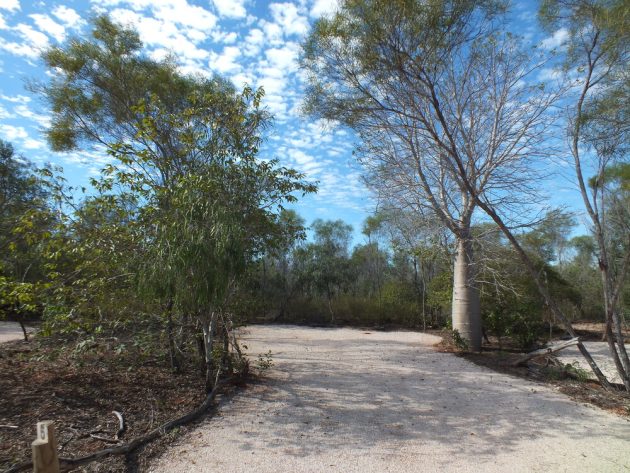
Most visitors fly to Broome, Western Australia. From Broome it is approximately a 30 to 40 minute drive to the observatory along Crab Creek Road (4WDs recommended). Many guests hire a vehicle, while the observatory also offers scheduled transfers for tour participants and accommodation stays.
What kind of services – except for accommodation and food – does your lodge offer to visiting birders?
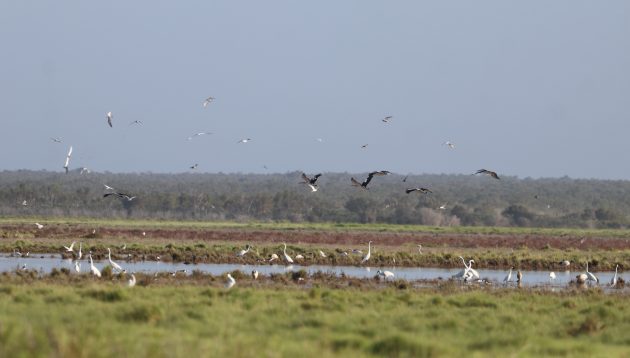
We offer an extensive range of guided birding tours led by experienced bird guides, including shorebird, mangrove, bush and plains tours, as well as a full-day Coastal Tour. Guests can enjoy self-guided birding around the observatory on walking trails or at the bird baths. We have a species bird list and reference library; we run talks and events as well as 4 birding courses per year. Guests can contribute to citizen science through eBird and iNaturalist, and learn from our knowledgeable staff about the internationally significant Roebuck Bay ecosystem.
What makes your lodge special?
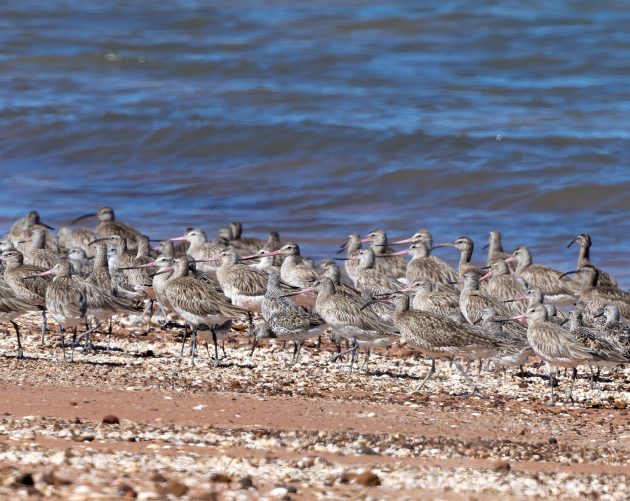
The Broome Bird Observatory sits within Roebuck Bay, one of the world’s most important shorebird sites and part of the East Asian–Australasian Flyway. Over 339 bird species have been recorded here. Visitors can watch thousands of migratory shorebirds feeding and roosting just metres away while also exploring mangroves, pindan woodland, mudflats and saltmarsh—all within one location. Our passionate guides, relaxed atmosphere and strong conservation focus create a unique birding experience.
What are the 10 – 20 most interesting birds that your lodge offers good chances to see?
Some of the most sought-after species include:
- Yellow Chat
- Asian Dowitcher
- Great Knots and Red Knots
- Bar-tailed and Black-tailed Godwits
- Eastern Curlew
- Curlew Sandpiper
- Mangrove Golden Whistler
- White-breasted Whistler
- Dusky Gerygone
- Oriental and Australian Pratincole
- Australian Bustard
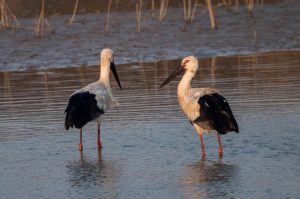
- Black-necked Stork.
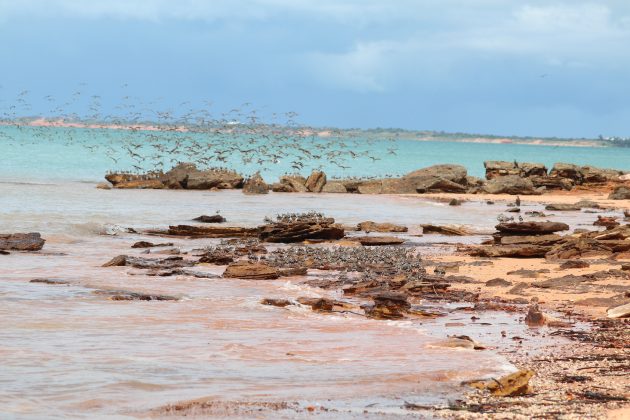
A true highlight is seeing mixed flocks of thousands of migratory shorebirds roosting along the shores of the bay.
What is the best time to visit your lodge, and why?
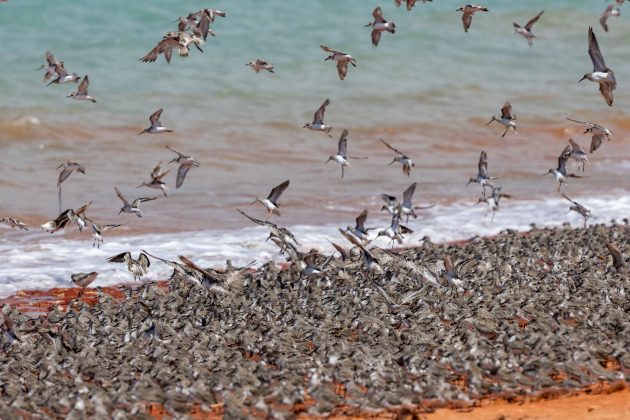
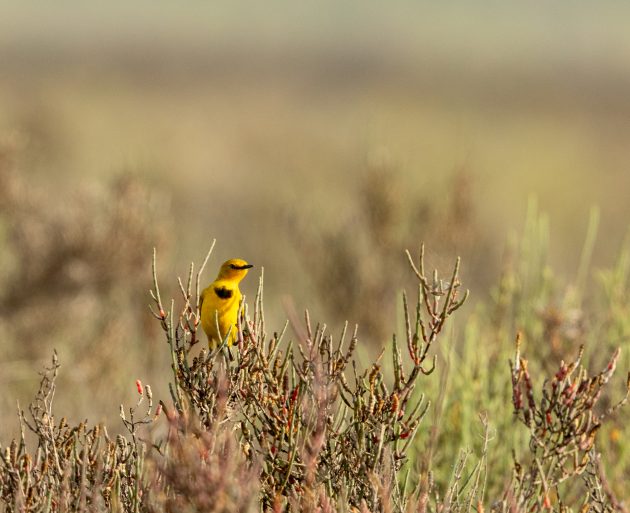
The best time depends on your interests. March and April are exceptional for witnessing the departure of migratory shorebirds as thousands gather before flying to their northern breeding grounds. August to October offers excellent shorebird diversity as migrants return in breeding plumage, while the cooler dry season provides comfortable birding conditions and excellent inland birding for visiting the plains to see Yellow Chats and Brolgas.
Is your lodge involved in conservation efforts? If yes, please describe them.
Yes. Conservation is at the heart of everything we do. The observatory is auspiced by BirdLife Australia and supports research, long-term bird monitoring, education programs, citizen science, guided interpretation and habitat protection. We work closely with Traditional Owners, researchers, volunteers and conservation organisations to protect Roebuck Bay and the migratory birds that depend on it. Each year the Australian Wader Study Group comes to BBO to run an expedition to flag and tag migratory shorebirds. We also do regular leg flag scanning of the migratory birds to add to the Birdmark database.
Yellow Chat
What other suggestions can you give to birders interested in visiting your lodge?
Bring binoculars, a spotting scope if you have one, or you can rent one from us or use one of ours on tour. We recommend sun protection, insect repellent, a reusable water bottle, and lightweight clothing suitable for tropical conditions. A camera with a telephoto lens is ideal for photography. Booking guided tours in advance is recommended, particularly during the peak migration seasons. Be prepared for warm weather and extraordinary wildlife encounters.
Do you have activities for non-birders? If so, please describe.
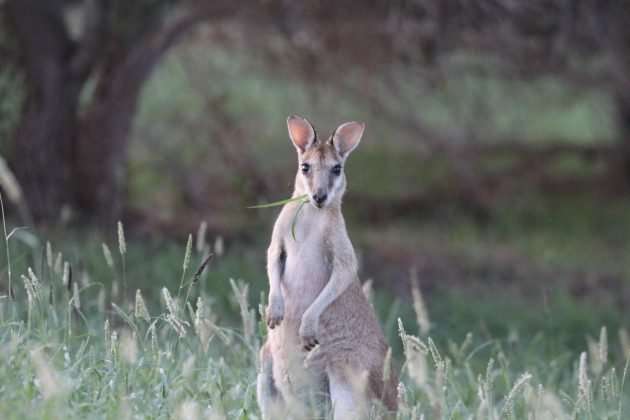
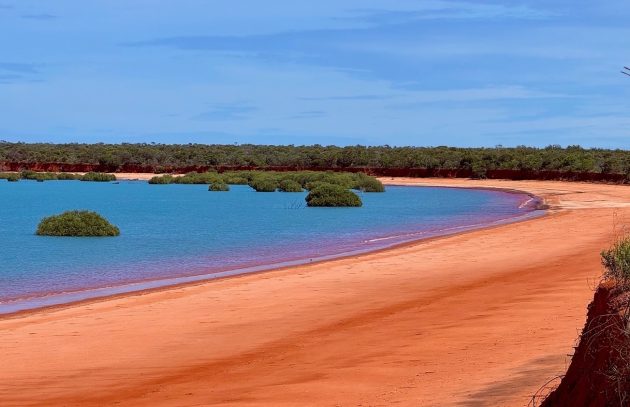
Absolutely. Roebuck Bay is renowned for its spectacular sunsets, red sand beaches, incredible landscapes and rich Aboriginal cultural significance. Non-birders enjoy photography, nature walks, wildlife watching (wallabies and dingos), learning about the ecology of the bay, and simply relaxing in one of Australia’s most remarkable coastal environments.
If any reader of 10,000 Birds is interested in staying at your lodge, how can they best contact you?
The easiest way to contact us is via our website to book online for camping, accommodation or tours:
- www.broomebirdobservatory.com
- email at broome@birdlife.org.au
- telephone +61 8 9193 5600.
Our friendly team is happy to help plan your visit.
Is there anything else you would like to share with the readers of 10,000 Birds?
Whether you are an experienced world birder chasing Australian endemics and migratory shorebirds, or someone discovering birds for the first time, we would love to welcome you to the Broome Bird Observatory. Many visitors arrive planning to stay a few days and leave wishing they had booked much longer!
Photos by Jamie van Jones

Leave a Comment