

Highlights
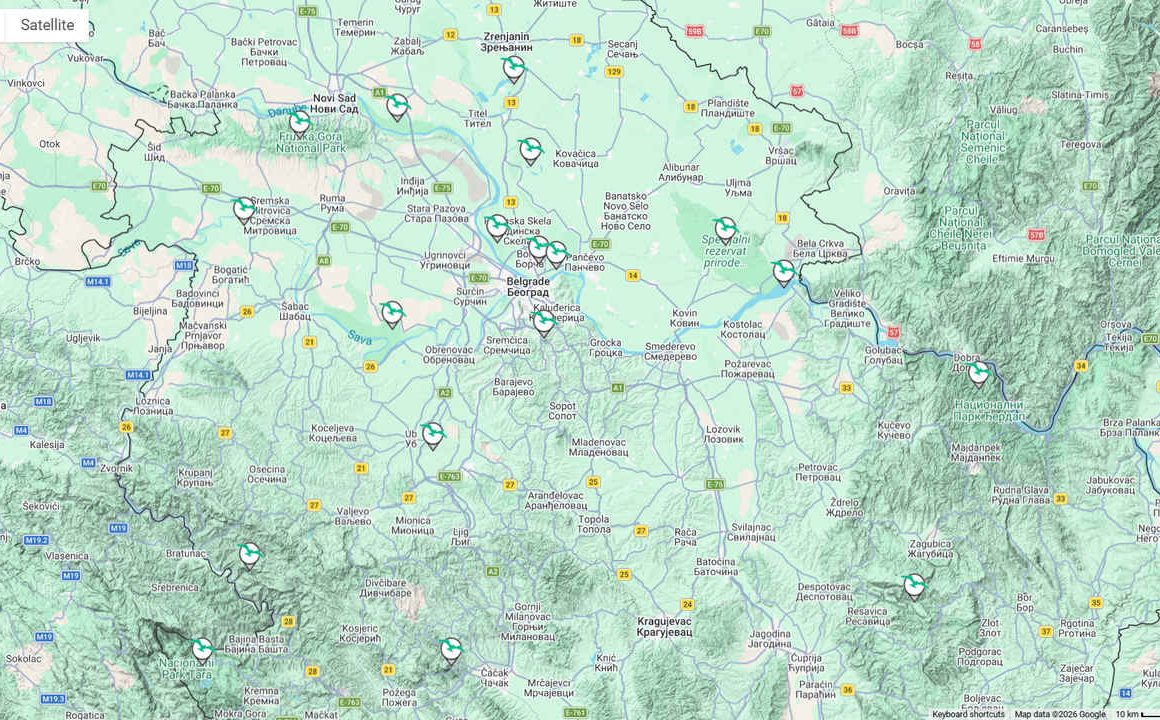
The number of bird species recorded in Serbia is 375+, with about 240 of them breeding in the country. At the moment, Serbia has 4 eBird hotspots with 200+ and 35 with more than 150 bird species. I asked my friend B.C., a British expat birder living in Belgrade, for a suggestion:
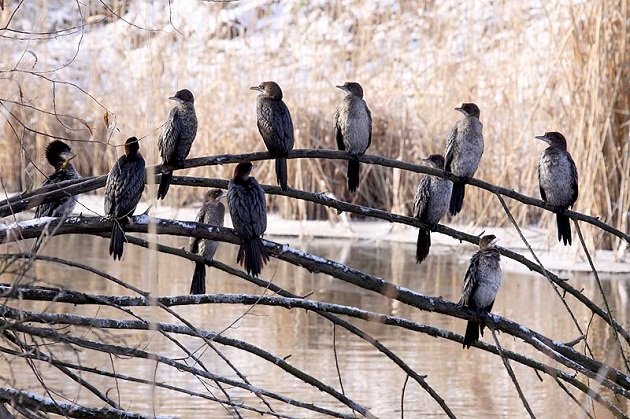
“The top species is undoubtedly the White-tailed Eagle. I was so excited when I saw my first (and they were my first ever) over the Danube. Next in line, for me, are the rivers in winter and the possibility of Black-throated Diver, Greater Scaup, Smew, Velvet Scoter, etc. – so unexpected in the heart of the continent. Then there are the Pygmy Cormorants – in recent winters, the Belgrade population has reached up to 4000. Sometimes you can see both European Bee-eaters and Golden Orioles in the city, and hear Nightingales singing. The springtime Black-crowned Night Herons deserve a mention and finally the Common Cranes in Spring.
Pygmy Cormorant (Maciej Szymanski)
“That’s for the city itself. I’d mention that within an easy 90-minute drive of the city are sites holding Lesser-spotted Eagle, European Roller, Black Stork, Savi’s Warbler, Ortolan Bunting, Wood Warbler, Barred Warbler, Tawny Pipit, Long-legged Buzzard, Bluethroat, etc.”
Another British expat birder, G.L., commented further: “With a little work, some species can be seen quite easily, such as the divers, scaup, scoter, Goosander, Garganey and Long-eared Owl. Of the herons, Squacco and Little Bittern are much more sought after. You could add Middle Spotted and Grey-headed Woodpeckers to the list. Cranes breed in very small numbers in the UK but are always impressive en masse. Spoonbills are regular in the UK, but still rare. I would add Great Reed Warbler and Crested Lark, both rare vagrants to the UK. Also Golden Oriole because of its good looks, even though the UK has one tiny breeding site.”
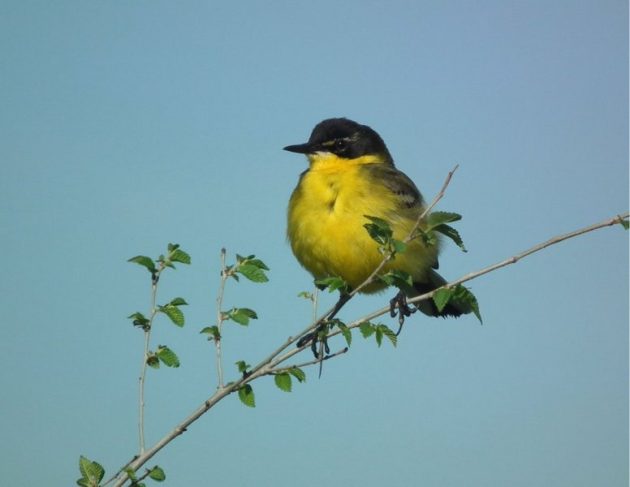
Yellow Wagtail
Key Bird Species and Families
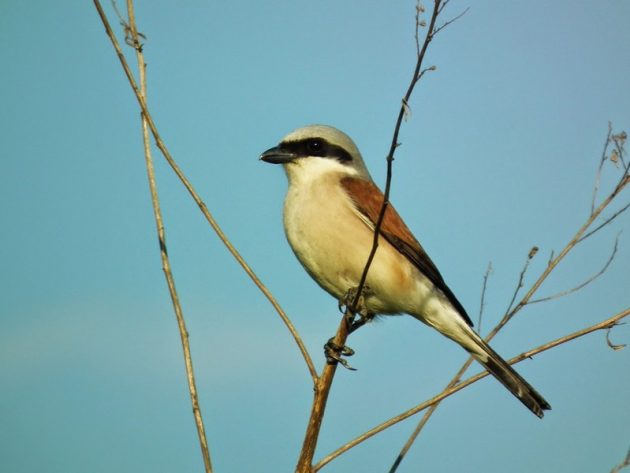
Spring: Ferruginous Duck, Squacco, Black Stork, White-tailed & Lesser Spotted Eagles, Black Woodpecker, Hoopoe, Bee-eater, Roller, Crested Lark, Tawny Pipit, Red-backed & Lesser Grey Shrikes, Ortolan Bunting
Winter: Smew, Hen Harrier, Red & Black Kites, White-tailed Eagle, Long-eared Owl, Middle Spotted & Black Woodpeckers; Peregrine Falcon, Great Grey Shrike, Crested Lark, Meadow & Water Pipits, Corn Bunting
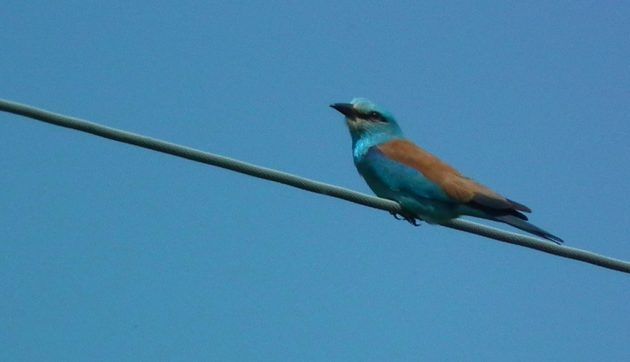
European Roller
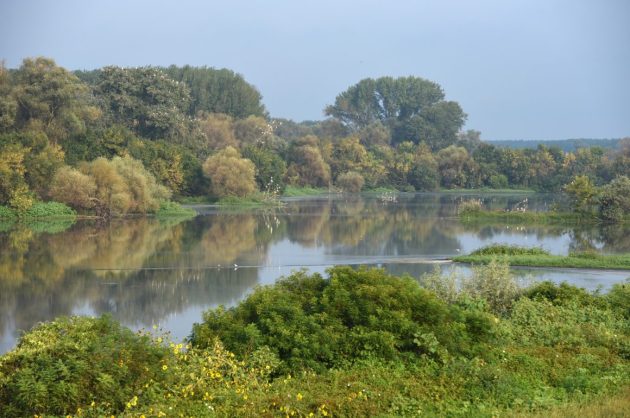
Beljarica Floodplain (photo: Boris Erg)
Best Regions for Birding
1 – Obedska Bara floodplain forest, 2 – Beljarica backwaters of the Danube, 3 – Deliblato Sands
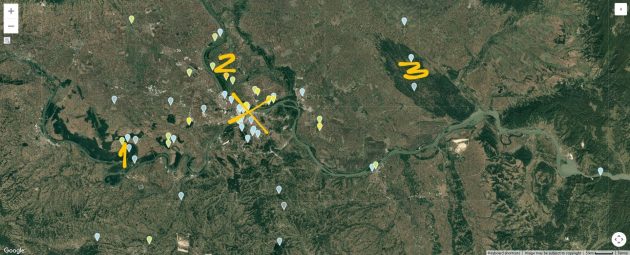
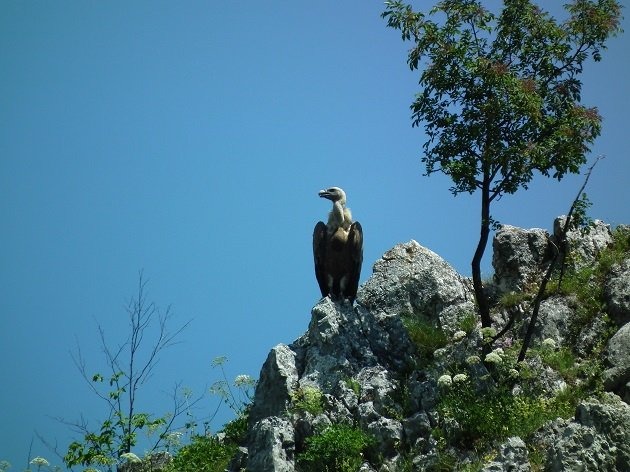
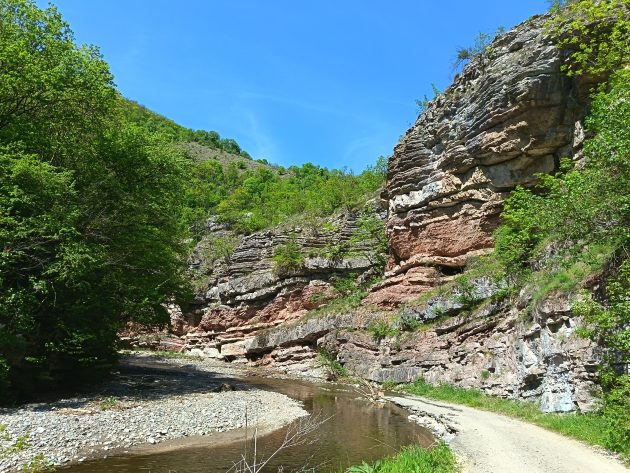
North of Belgrade, the Pannonian plain is a lowland landscape with large, lazily meandering rivers (Danube, Sava and Tisza), while to the south, hilly/mountainous landscapes are intersected by river valleys. The best wetlands include the Beljarica Floodplain of the Danube in Belgrade (nesting Black Stork and White-tailed Eagle, among 200 bird species), and fish farms along the Tamis and Begej rivers (breeding and migrant waterbirds, and possible wintering Greater Spotted Eagle, among 240 species). In the east, Djerdap (Iron Gates) NP (170 sp.) along the Danube supports Black and White-backed Woodpeckers, Eurasian Crag Martin, Sombre Tit, and Ortolan and Rock Buntings. In the gorges in the west of the country, there are about 150 pairs of Eurasian Griffons. Tresnjica Gorge NR, 120 sp., is the nearest colony to Belgrade and can be visited within a day.
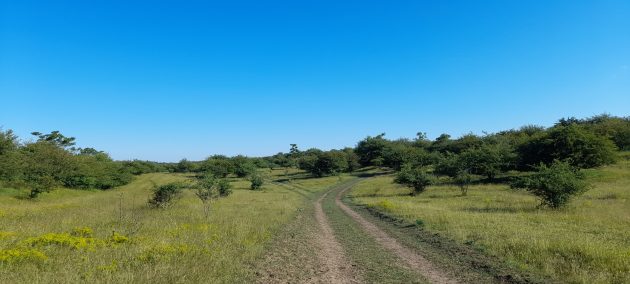
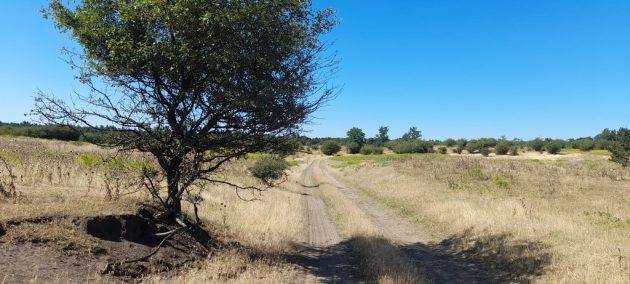
Deliblato Sands
Best Birding Season
For most of the year, some 260-270 species are visible, hearable and recordable. That number drops to a still good 200 in winter. The peak season is from mid-April to mid-June, mid-August to mid-September, and mid-November to January, with overwintering waterbirds and Long-eared Owl roosts.
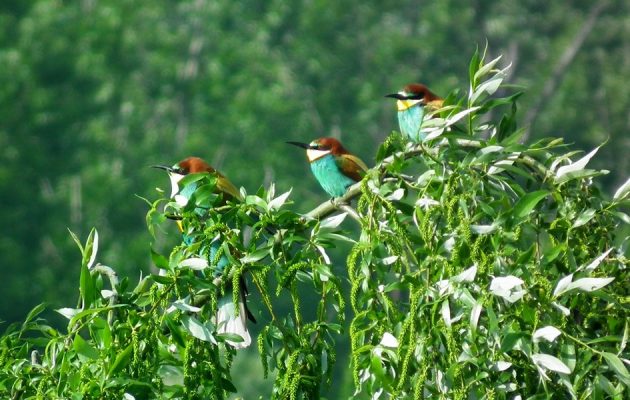
European Bee-eater
Birding Trip Suggestion(s)
- Wetlands
- Halfway between bustling Belgrade and sleepy Zrenjanin, the River Tamis floodzone contains abundant oxbow lakes turned into fish farms. Salt marshes in Baranda and fish farms in neighbouring Centa and Sakule villages, about 40 km / 40 minutes north of Belgrade along the Zrenjanin road, offer likely the best wetland birding near the city. Preserved riparian forests still exist in large patches along the river, but also in vast areas under cultivated poplars.
- In addition to numerous White Storks (about 60 nests in both villages, other birds include Great Bittern, Purple Heron, Black-crowned Night-Heron, Glossy Ibis, Spoonbill, Ferruginous Duck, breeding Whiskered Tern (plus Black Tern and White-winged Tern on migration), waders, Hoopoe, European Bee-eater, Reed Bunting, Bluethroat (localised), Moustached Warbler (uncommon), Savi’s Warbler, Grasshopper Warbler, Penduline Tit, Bearded Tit, Red-backed Shrike. Almost 240 species have been recorded so far.
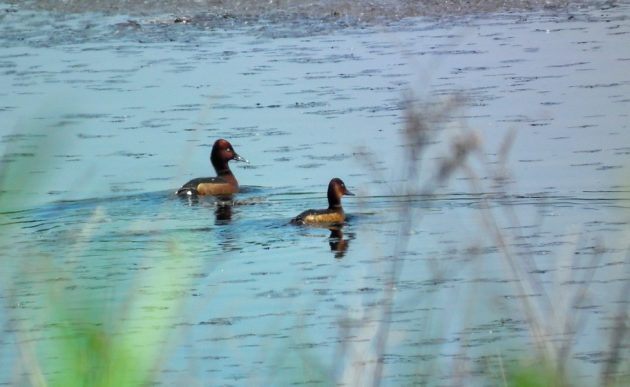
Ferruginous Duck
- Grassland and woodland
- The Deliblato Sands Nature Reserve lies about an hour east of Belgrade. Dominant easterly winds have shaped the prominent dune relief rising from 70 m / 200 ft a.s.l. (the altitude of the Danube) up to 200 m / 650 ft a.s.l. More than half of the area of Deliblato Sands is now overgrown with a planted forest of black locust, black and white pine, and the rest is grazing pasture and steppe. The best access roads are from Dolovo village to Volovska Pasa pasture (in the arable fields en route, look out for the highly localized Greater Short-toed Lark), and from Deliblato village to Cardak area with its restaurant and a network of marked walking trails.
- Characteristic birds to look for are Eurasian Nightjar, European Bee-eater, Hoopoe, Little Owl, Wryneck, Eurasian Green Woodpecker, Grey-headed Woodpecker, Red-backed Shrike, Lesser Grey Shrike (uncommon), Crested Lark, Woodlark, Tawny Pipit, Barred Warbler, Golden Oriole, Common Nightingale, Hawfinch. Local raptors include the European Honey-buzzard, Long-legged Buzzard (rare), Short-toed Eagle (uncommon), etc. About 180 species have been recorded so far.
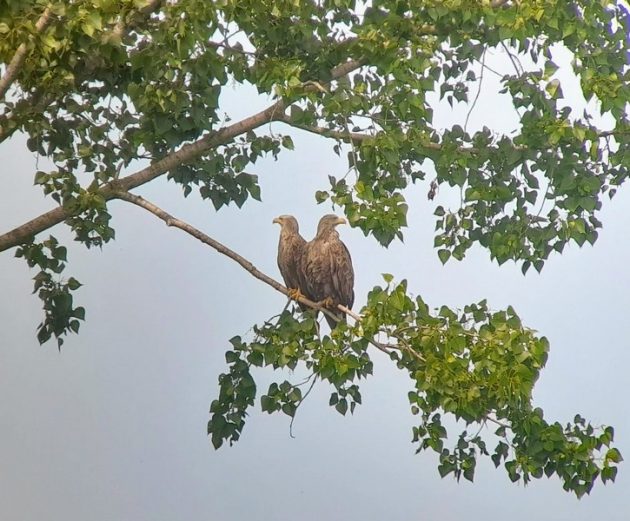
White-tailed Eagle
Deliblato Sands
Practical Tips
Belgrade is an excellent base for a long-weekend birding break. Along the Danube, right in front of the city, local birders have recorded 250 species on the eBird platform.
For daily excursions, Belgrade is perfectly situated:
- One hour’s drive from Europe’s largest inland sand dunes (Deliblato Sands) and three Ramsar sites (Obedska Bara, Carska Bara, and Labudovo Okno).
- Two hours’ drive from two mountainous national parks (Djerdap and Kucaj-Beljanica).
- Three hours’ drive from the nearest Griffon Vulture colony.
Beyond the wildlife, you can explore the iconic Kalemegdan Fortress or stroll down the pedestrianized Knez Mihailova Street. Belgrade city breaks offer an ideal mix of rich history, legendary nightlife, and affordable European charm.
Djerdap
Red-backed Shrike
Accommodation and Transport
The city offers around 120 traditional hotels, featuring a strong concentration of 73 four-star properties and 14 five-star options. If you prefer holiday rentals, Airbnb listings exceed one thousand.
Getting there is straightforward. There are approximately 35 to 45 daily direct flights from Zurich, Vienna, Frankfurt, Paris, Munich, and London to Belgrade Nikola Tesla Airport (BEG).
Books
- The Collins Bird Guide, 3rd edition, 2022
- Serbia Bradt Travel Guide, 6th edition, 2022
Links
By Dragan Simic
Dragan is a 10,000 Birds contributor obsessively passionate about two things – birding and travelling in search of birds, and that has taken him from his native Balkans to the far shores of Europe and the Mediterranean, Africa, India, and Latin America. Besides birds and travelling, he likes a cold lager and the croaky voice of Shane MacGowan. Enquire about full-day or half-day bird drives at birdingserbia@gmail.com.









Leave a Comment