

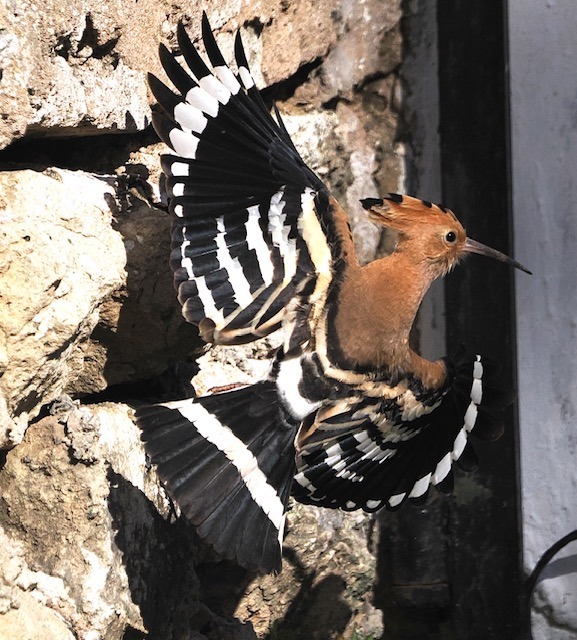
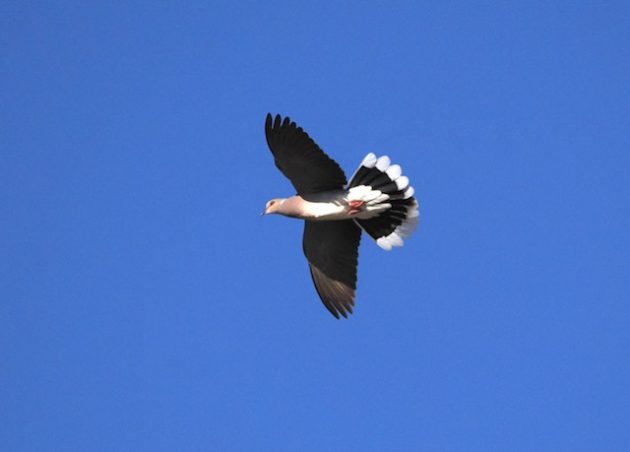
Waking to the sound of purring Turtle Doves, singing Nightingales and calling Hoopoes was one of the delights of my recent visit to Menorca. Here in the UK Turtle Doves have declined by over 90% in the last 30 years, so they are now rare birds. Not so in Menorca, where they remain common and widespread. In England we are the very northern edge of the range of the Nightingale, but they are one of the commonest birds on Menorca, and you can hear their wonderful song almost anywhere on the island.
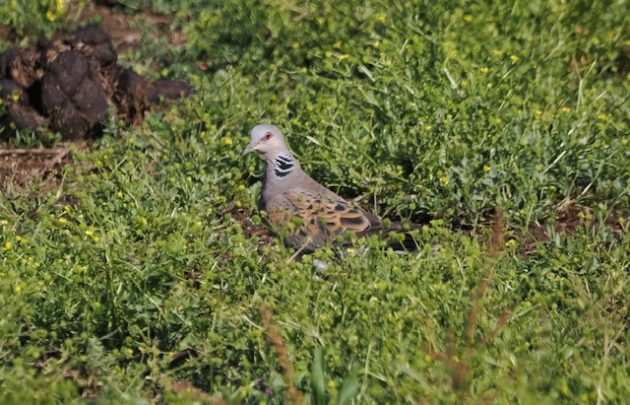
Turtle Doves (above and below) are common on Menorca, but now rare in England
Hoopoes are scarce passage migrants in the UK, but their combination of exotic looks and rarity make them a favourite with us Brits. I can never resist photographing them and the shots I managed on this most recent trip are among my best. I found a pair of Hoopoes feeding young in a hole in a drystone wall in the grounds of a hotel where I was staying. An old bench had been left not far away, and it provided me with a decent seat from which to photograph them. Though they were certainly aware of me, it didn’t worry them unduly, so they continued feeding despite my presence.
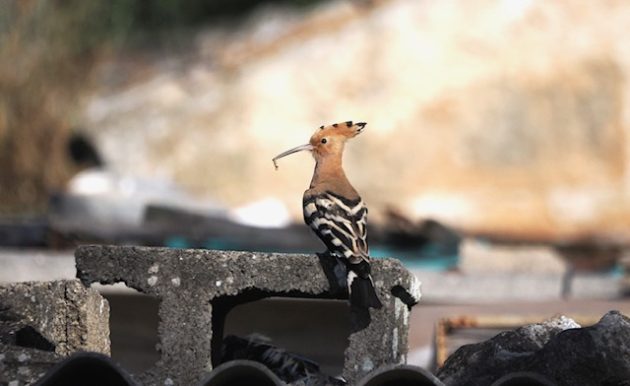
Hoopoes are always fun to photograph
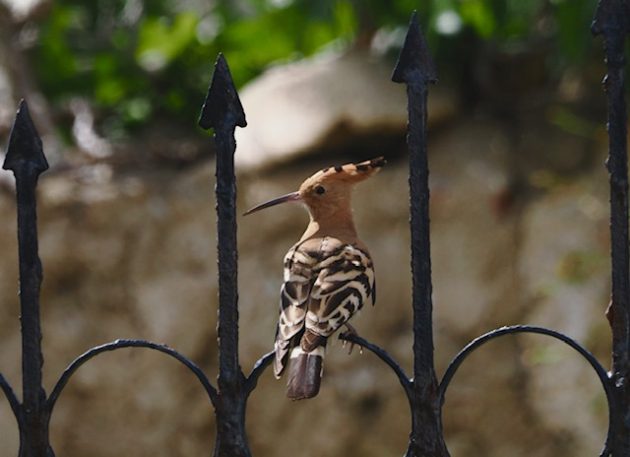
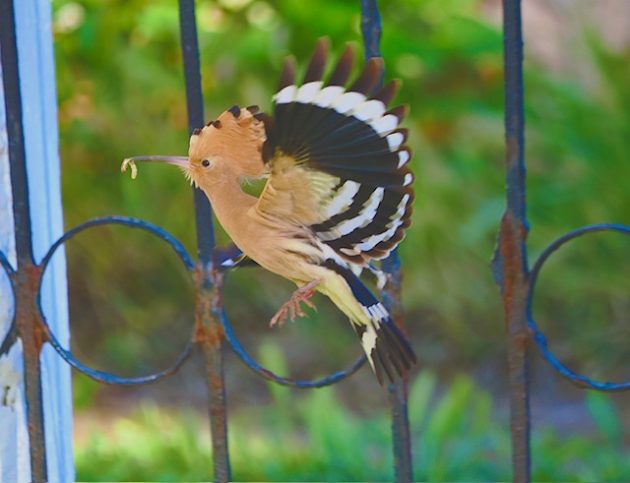
Hoopoes are renowned for their insanitary nests, as the old birds don’t remove the faecal sacks. This probably explains why the Bible lists them as birds that are unclean and should not be eaten, though I doubt if they would be worth eating, anyway. I was unable to see into the nest I watched, so I don’t know how many chicks it held, or how old they were, but the adults were returning every five minutes or so with food for them.
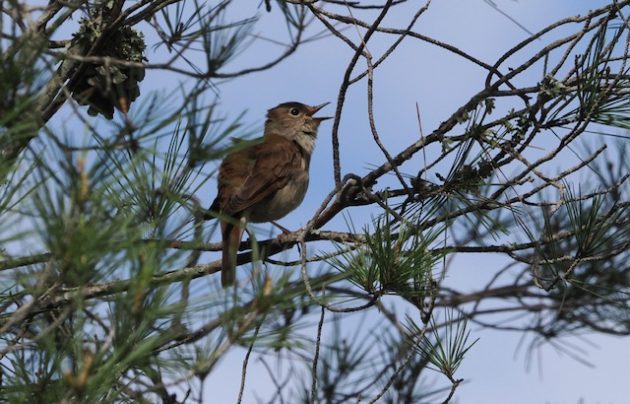
Nightingale (above and below): frequently heard, but less often seen
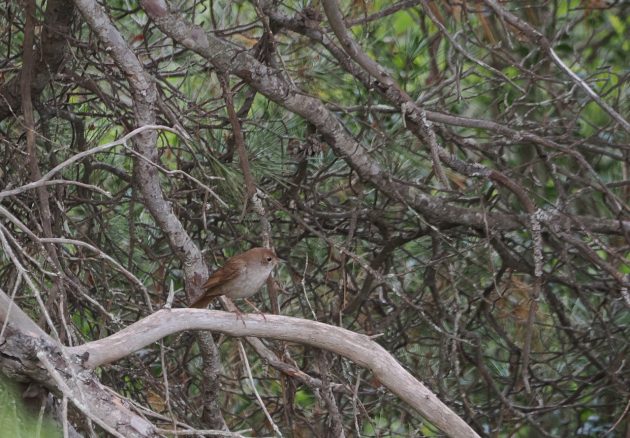
While Hoopoes are such conspicuous birds they are impossible to overlook, the presence of Nightingales would probably go un-noticed if it wasn’t for their extraordinary song. What makes the song so impressive is its virtuosity, the power of its delivery and the dramatic pauses: I never tire of listening to it. Despite their name, Nightingales sing just as much by day as by night. Seeing the singing bird is usually a challenge, as they like to perform from cover, but every now and again you find one that is happy to sing in full view. When you do see one you are reminded that though they may be great singers, they’re not great lookers – they bear a passing similarity to the North American Veery, as they are simply brown above with a rusty-red tail, and grey-buff below.
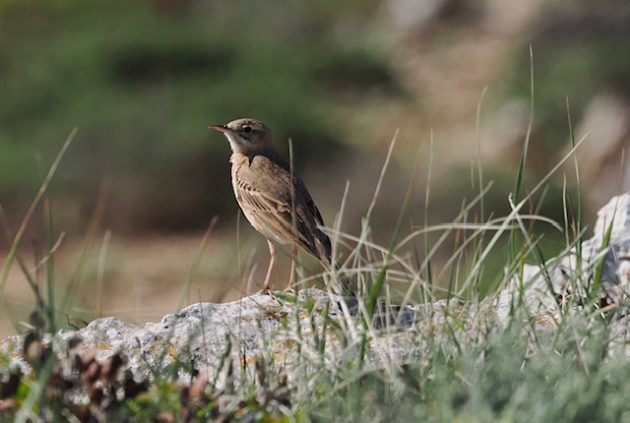
Tawny Pipit
One bird I was pleased to encounter quite widely was the Tawny Pipit. A large, slim pipit with subtle, sandy plumage, it’s a rare passage migrant to Britain – I’ve never seen one here. They would be easy to overlook on Menorca if it wasn’t for their distinctive display flight, which is when they deliver their simple song. Once you’ve learnt the song (and the call) you discover that there are plenty of Tawny Pipits around.
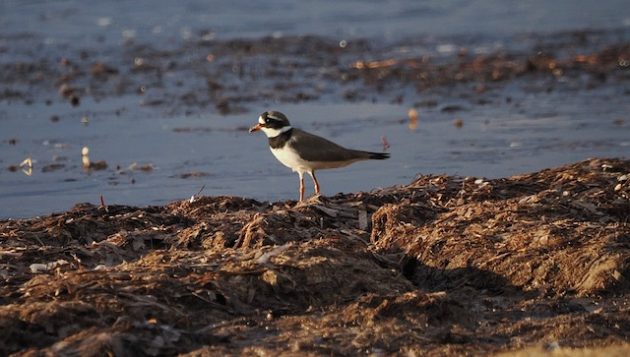
A Ringed Plover of the northern race, tundra. This race nests in the far north of Europe, so is a passage bird on Menorca
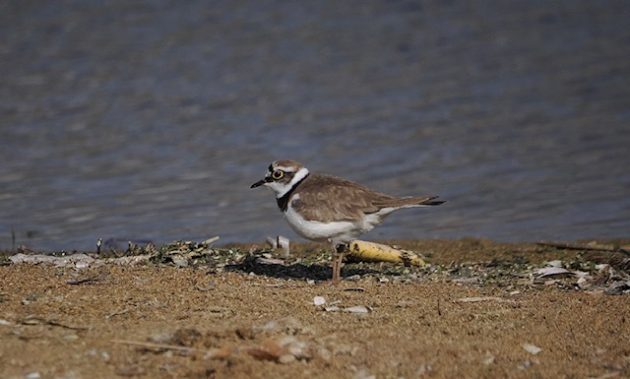
Little Ringed Plover. Note the distinctive yellow eye ring
My visit to Menorca was just a little too late to see the best of the wader migration, but I did encounter a flock of over 20 Ringed Plovers. With their dark backs and smaller size they appeared to be of the Lapland race, tundra. The last of the passage migrants to pass through are usually those that nest the farthest north. My birds were mingling with Kentish Plovers which nest on the island, while I also saw a single Little Ringed Plover, a bird that also nests on Menorca.
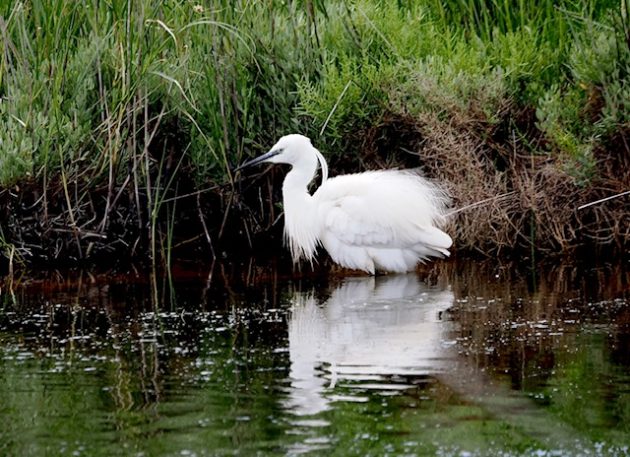
Common resident: a Little Egret
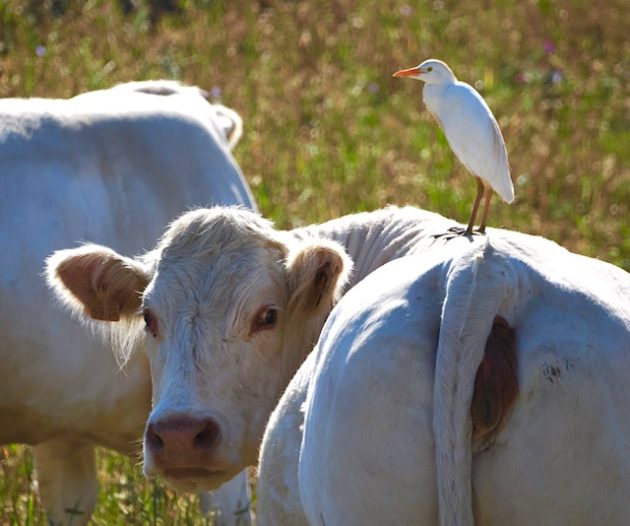
Cattle Egrets are relatively new colonists on the island
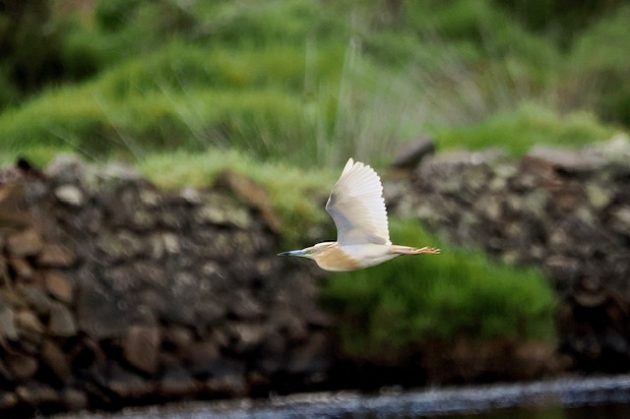
Squacco Heron, a summer visitor in small numbers
Though Menorca has only a few wetlands, I’ve always found it a good place to see herons: this year I saw Purple, Grey and Squacco herons, and Little, Cattle and Great Egrets. The latter two are both easy to see on Menorca, but are relatively new additions to its avifauna. I also found Greater Flamingoes at three different locations. Again, this is a bird that was once a rarity on Menorca, but is now a species that you can expect to see, reflecting the huge increase in the Mediterranean population in the last 30 years.
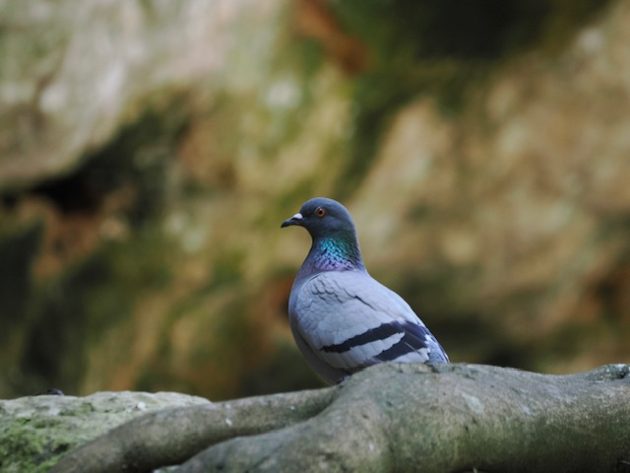
Feral pigeon or genuine Rock Dove? It looks like the latter to me
Feral pigeons are birds that most of us ignore, but on Menorca there are good populations of what look like convincing Rock Doves, nesting on cliffs and in suitably natural locations. I thought them worthy of a photograph.
Much as I enjoyed my visit to Menorca, there were some disappointments. The Albufera, the largest wetland on the island and a protected site, supported just a fraction of the birds that I recall from previous visits. Where were the Little Grebes that were once so common, and why just a few pairs of Coots when there used to be hundreds? In the capital Mao (Mahon) I saw only small parties of Swifts – I recall great screaming parties 40 years ago. However, Menorca remains a delightful island to visit, and a great place to watch birds. I will return.
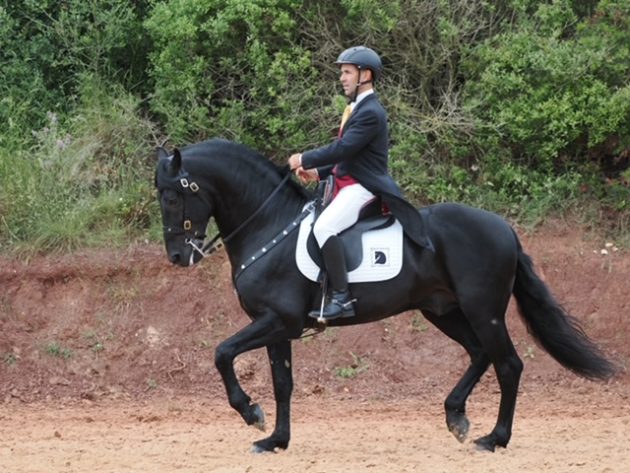
Menorca has other attractions than birds: the native breed of horse, the black Cavall Menorqui, is exceedingly handsome and is celebrated on the island




Leave a Comment