

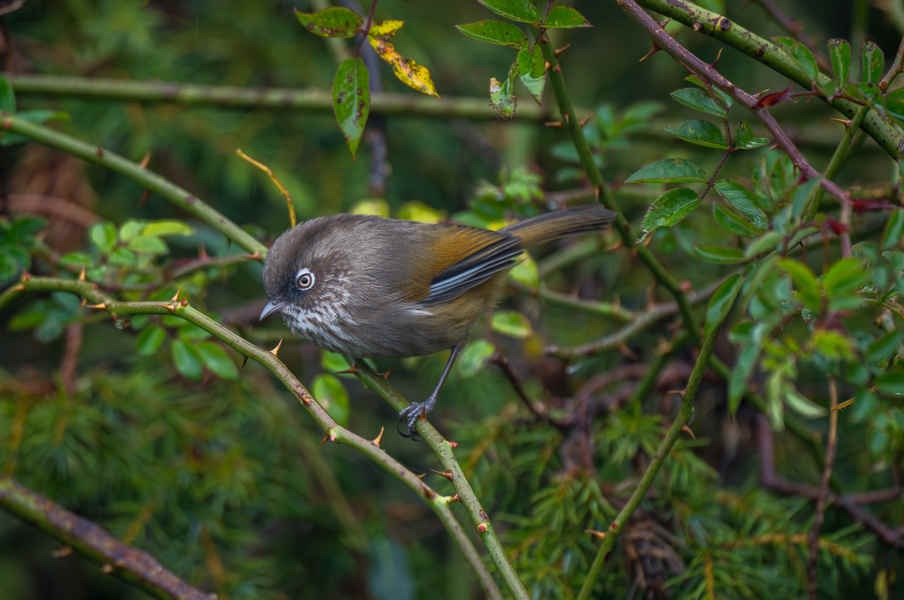
The day I spent at Wuling National Forest Recreation Area in Taiwan, the weather was miserable all day – fog and rain. And while I am generally not a positive person at all, maybe the birds there made it worth it after all.
Several of these merit separate posts, such as the Taiwan Rosefinch and the Eurasian Wren. But there are still enough interesting ones left, even if (to be honest) their being mentioned in this post is frequently because I felt I did not get enough good photos of them.
Enough of the modesty, let’s pretend I am a US American for once (after all, I was born there). Isn’t this a wonderful photo of a White-eared Sibia?
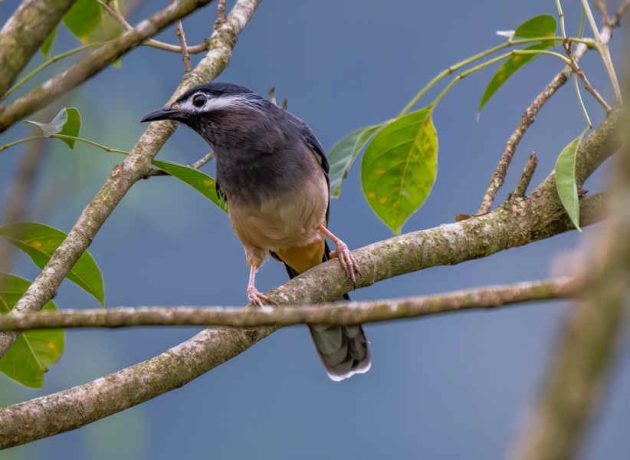
Granted, it is mostly wonderful because of the looks of the bird, not because of my skills as a photographer. Not for nothing, the HBW calls it an “elegant babbler”.
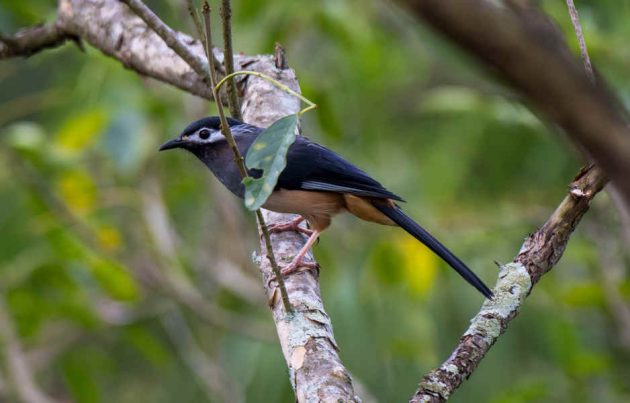
In the section on the conservation status of the species (it is listed as Least Concern), there is also the slightly puzzling sentence “Study undertaken at Endemic Species Research Unit, but details of findings currently unavailable”. The dog ate my White-eared Sibia study?
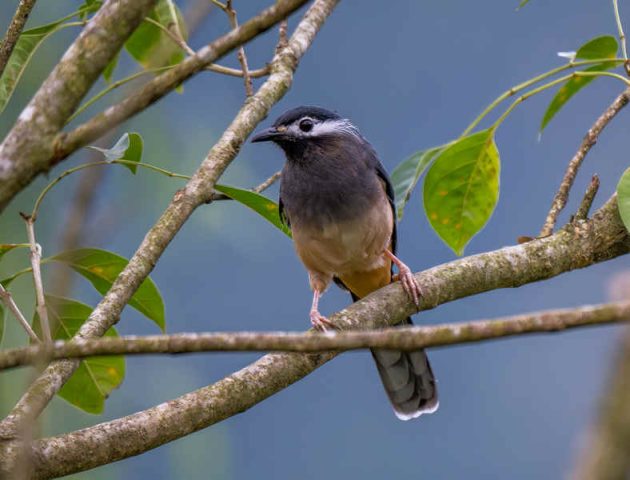
It is endemic to Taiwan, as many of the other species here, often indicated by a name starting with “Taiwan”. Such as the Taiwan Barbet.
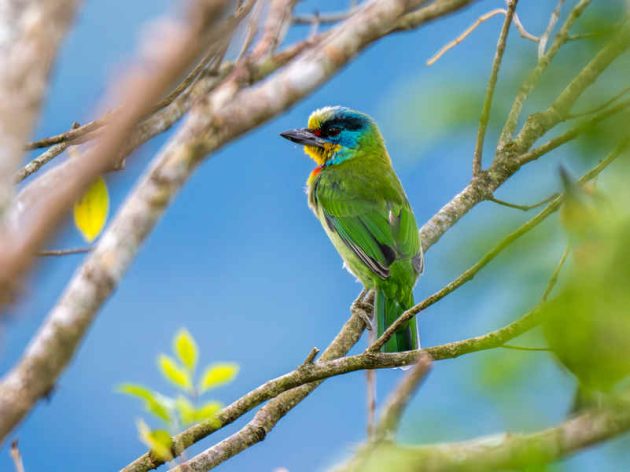
It proudly describes itself as a primary cavity nester, which means it builds its own holes, rather than waiting for woodpeckers to do the job for it.
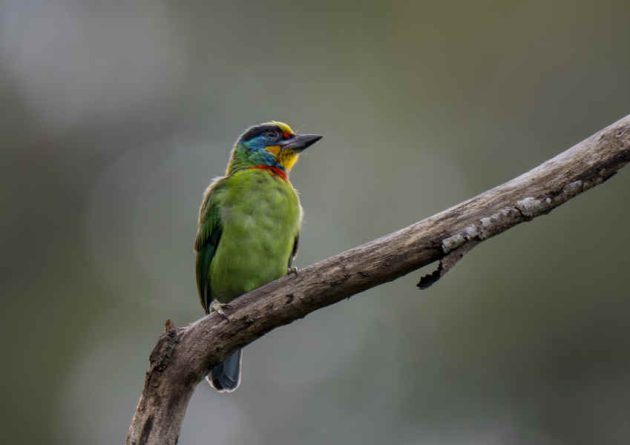
And as the same source remarks, “the cavity resources will also benefit cavity-using communities in urban areas.” A real plus for the community, this barbet.
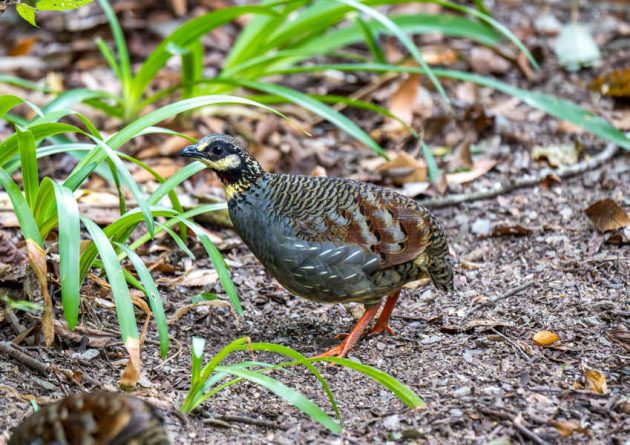
Another Taiwan endemic with an appropriate name: The Taiwan Partridge.
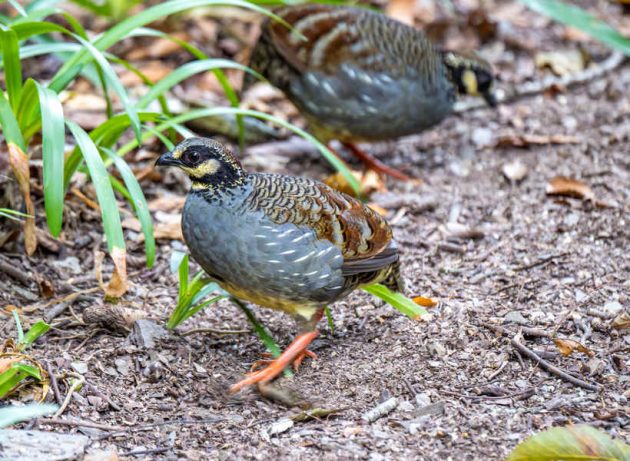
The scientific name Arborophila crudigularis hints at the (only occasionally seen) blood-red throat markings (crudigularis means blood-throated) – strangely, unless I missed it, this is not even mentioned in the HBW profile of the bird.
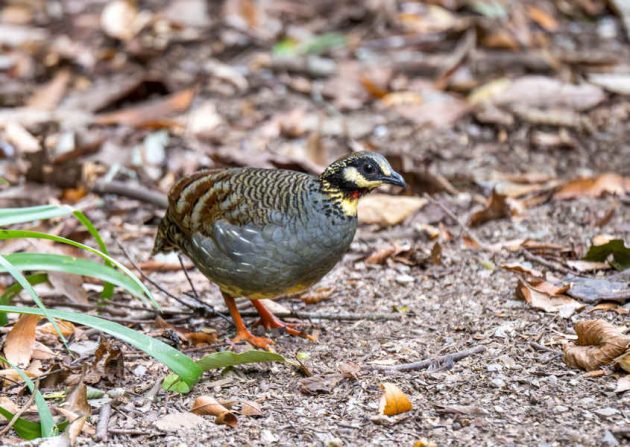
One study finds that climate change will not be disastrous for the species – while its suitable habitat will increase somewhat, the quality of said habitat will decrease slightly.
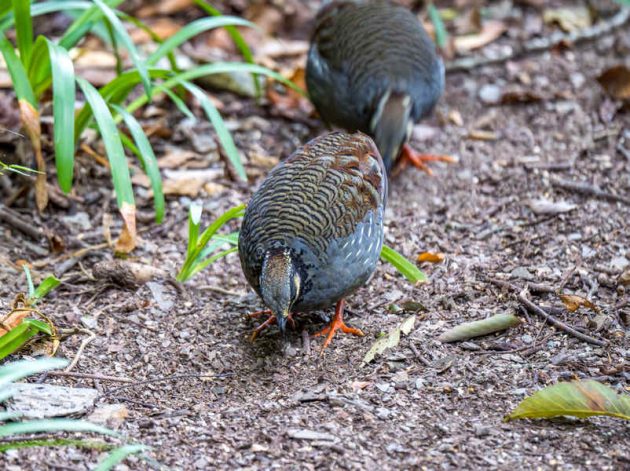
A bit like getting a bigger apartment at the same rent, but it turns out it is next to a nightclub and a freeway.
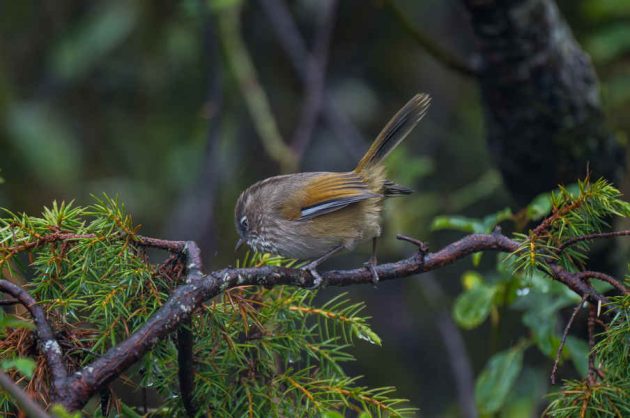
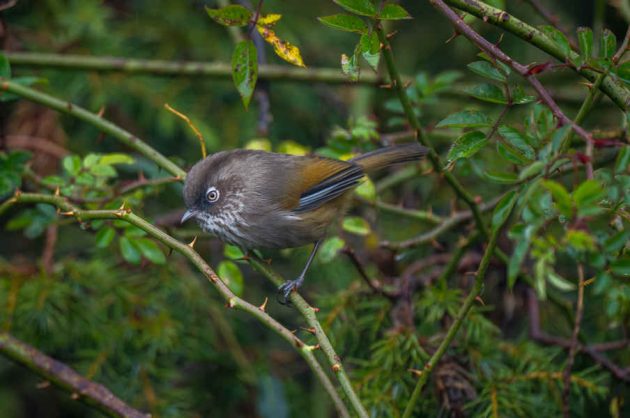
The Taiwan Fulvetta is (to me) the typical fulvetta: a miniature laughingthrush (even though I know they are not closely related).
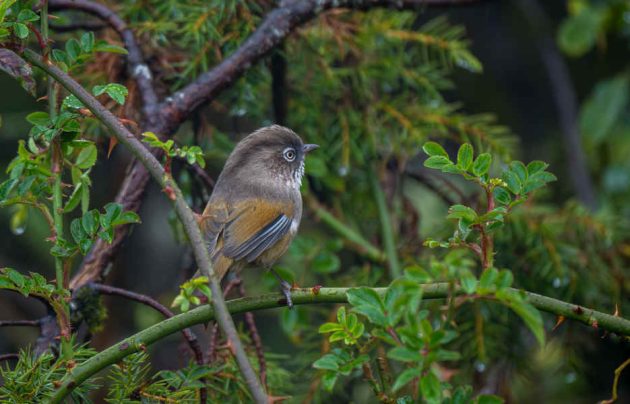
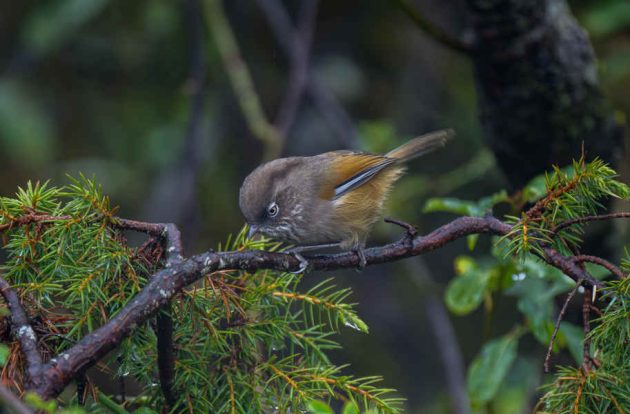
It forages “sometimes rather mouse-like” (HBW), which is never great for bird photography. I think younger people with years of experience playing video games would naturally be much better bird photographers than I, though the cost of the equipment might present an entry barrier to them.
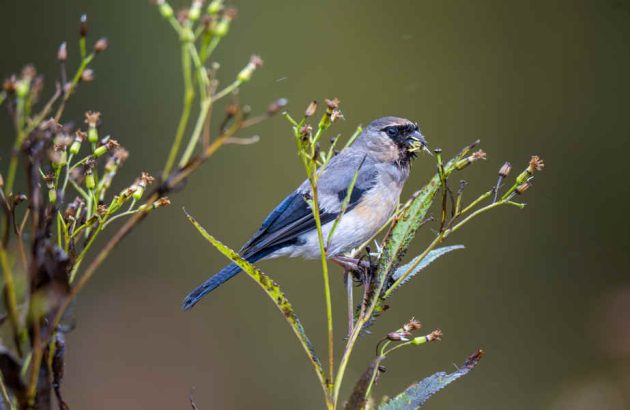
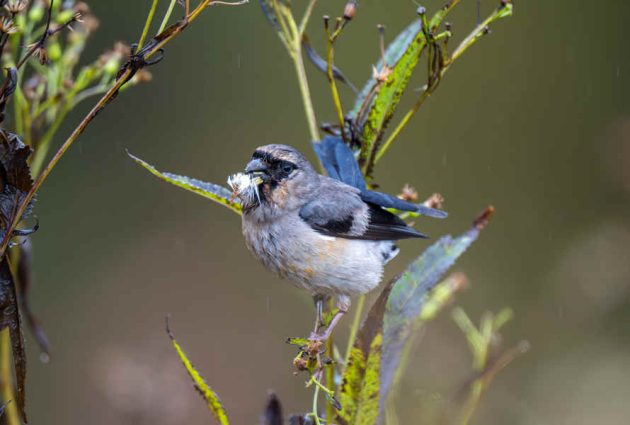
The Taiwan Bullfinch very much looks like a bullfinch indeed. Its scientific name Pyrrhula owstoni commemorates another of these intrepid explorers, Alan Owston (1853-1915), an English merchant, yachtsman, naturalist, and collector resident in Japan (source: HBW). Sounds a bit dubious to name a bird after a yachtsman, but then again, some buildings are proudly named after a person with 34 criminal convictions, so what do I know?
His Wikipedia entry is strangely sympathetic: “the Natural History Museum, London … also has a charming Victorian photographic portrait of him from Japan with one of his giant sponges.”
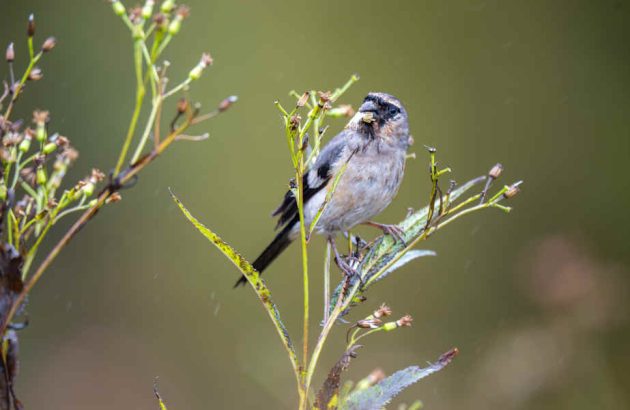
Anyway, I think my photo shows a male, if I interpret the HBW drawings right – and a rather woke male at that, as it had a chick tagging along with it, which was occasionally fed.
Given what I said about my photography skills, you cannot expect me to show you a good photo of the fast-moving Flamecrest, another endemic.
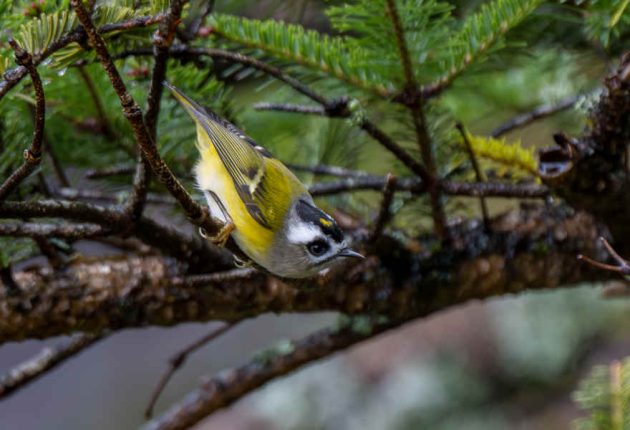
Weirdly (cost-cutting measures due to the impact of fights with the Trump administration), the HBW entry on the bird only has one illustration, despite the male and the female being quite different.
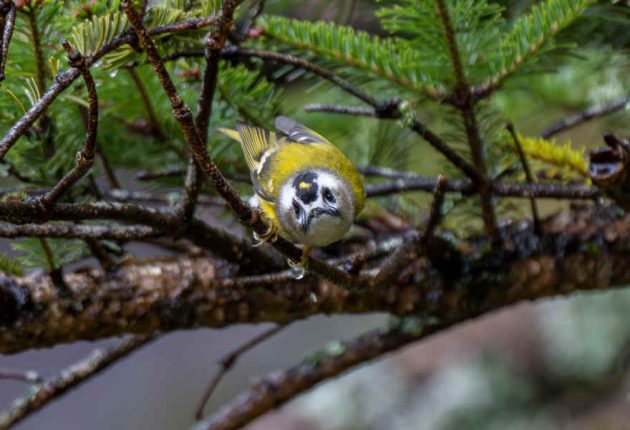
So, the intensely orange median crownstripe of the male (HBW) never gets an illustration.
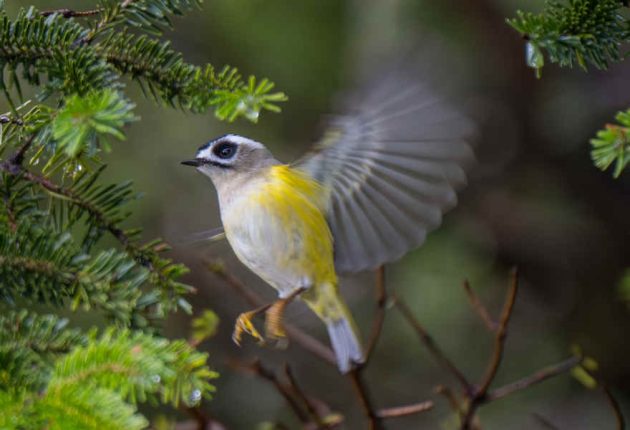
Taiwan seems to have been a place where explorers could easily get commemorated – the flamecrest with the scientific name Regulus goodfellowi is another example. Walter Goodfellow (1866-1953) was an English explorer, ornithologist, and collector in Colombia, Ecuador, New Guinea, the Philippines and Taiwan (HBW).
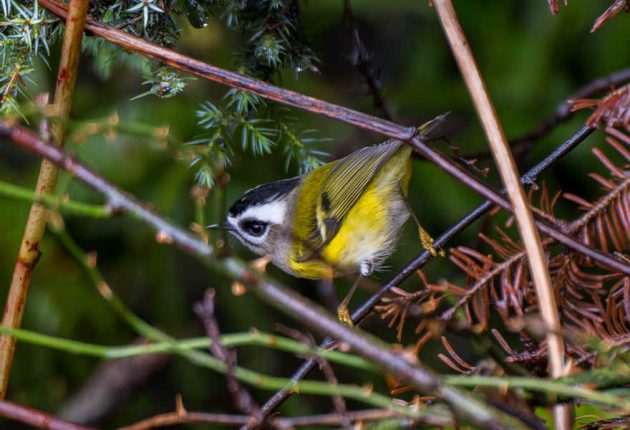
While many of the people thus commemorated seem to be on the evil side, Goodfellow’s Wikipedia entry suggests something different, making him sound sympathetic: “He took great care of his caged birds, often releasing those which appeared distressed, and refused to participate in the extensive trade in dead birds for women’s fashions.”
The HBW gushes about the Taiwan Vivid Niltava: “True to its name, the male Taiwan Vivid Niltava is an especially vivid and strikingly colored niltava”.
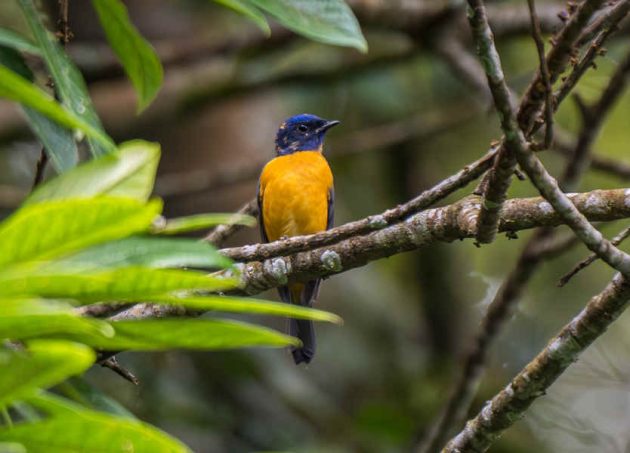
I think this is an exaggeration – I do not really think it is any more vivid than other niltavas, though it most likely has a better marketing department.
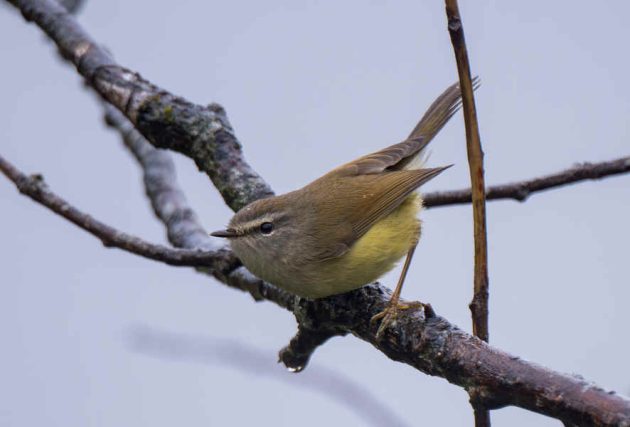
Finally – to let you down gently after all these exciting birds – here is the Yellow-bellied Bush-warbler.
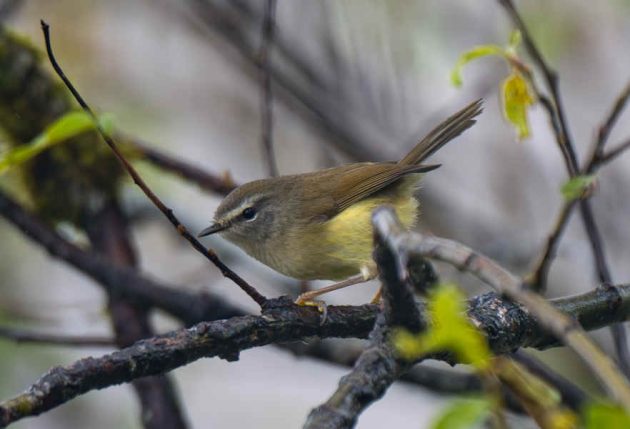
Not an endemic, not that much to look at, still a bird.





Leave a Comment